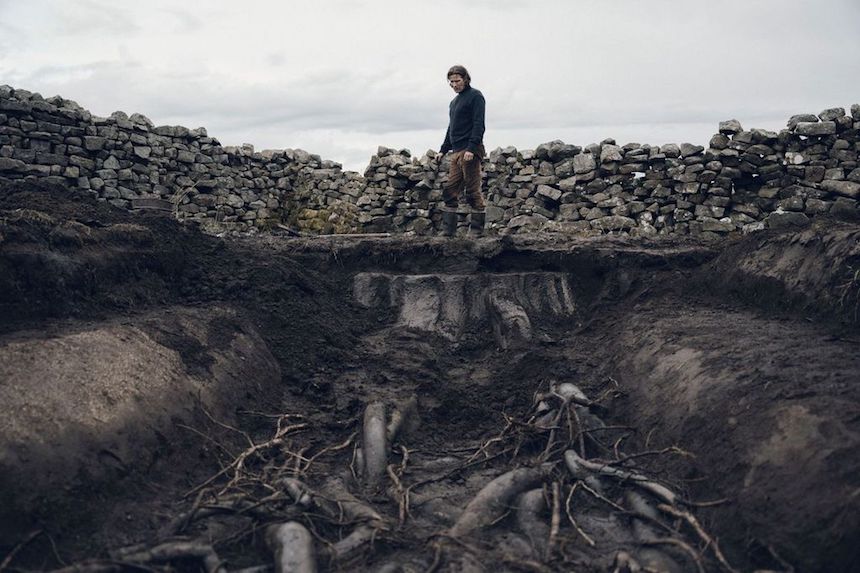
One thing that the new wave of British Folk Horror / Hauntological/ Occult cinema sometimes excels at is ‘bleakness’. Think Possum, Kill List, Under The Skin, Saint Maude, A Dark Song … and now add Daniel Kokotajlo’s ‘ Starve Acre’ to the list.
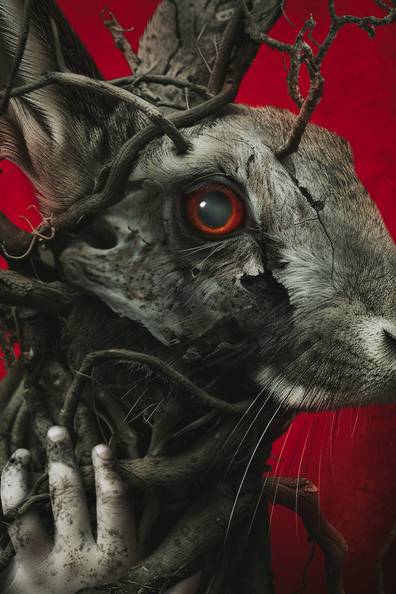
Even its name ‘Starve Acre’, which relates to an isolated rural homestead, suggests a dark foreboding. Based upon the novel of the same name by ‘The Loney’ writer Andrew Michael Hurley; the premise of the film revolves around a couple, Richard and Juliet, (played by former ‘Doctor Who’ Matt Smith and ‘Saint Maud’s’ Morfydd Clark in well-cast roles) who are dealing with the loss of their child and in Richard’s case the ghosts of his own early life. Within that scope we can see and feel elements of other films/books such as ‘Don’t Look Now’, ‘Pet Sematary’, and ‘Wake Wood’. The spectre of childhood abuse and its manifestation in the present are suggestive of ‘Possum’ and the uncovering in the soil of a biological relic (in this case the skeleton of a hare) that takes on a life of its own is reminiscent of ‘Blood on Satan’s Claw’. But whilst this film does cover tropes seen before and emulates a 1970’s setting and aesthetic it does craft its own identity.
The folk elements are amplified by the lingering presence of a mysterious entity known as Jack Grey or Dandelion Jack, who seems to be a genii loci of the moorlands, if not indeed Starve Acre itself. This eldritch figure is ritually invoked in the abuse that Richard suffered as a child and is apparently not done with him yet.
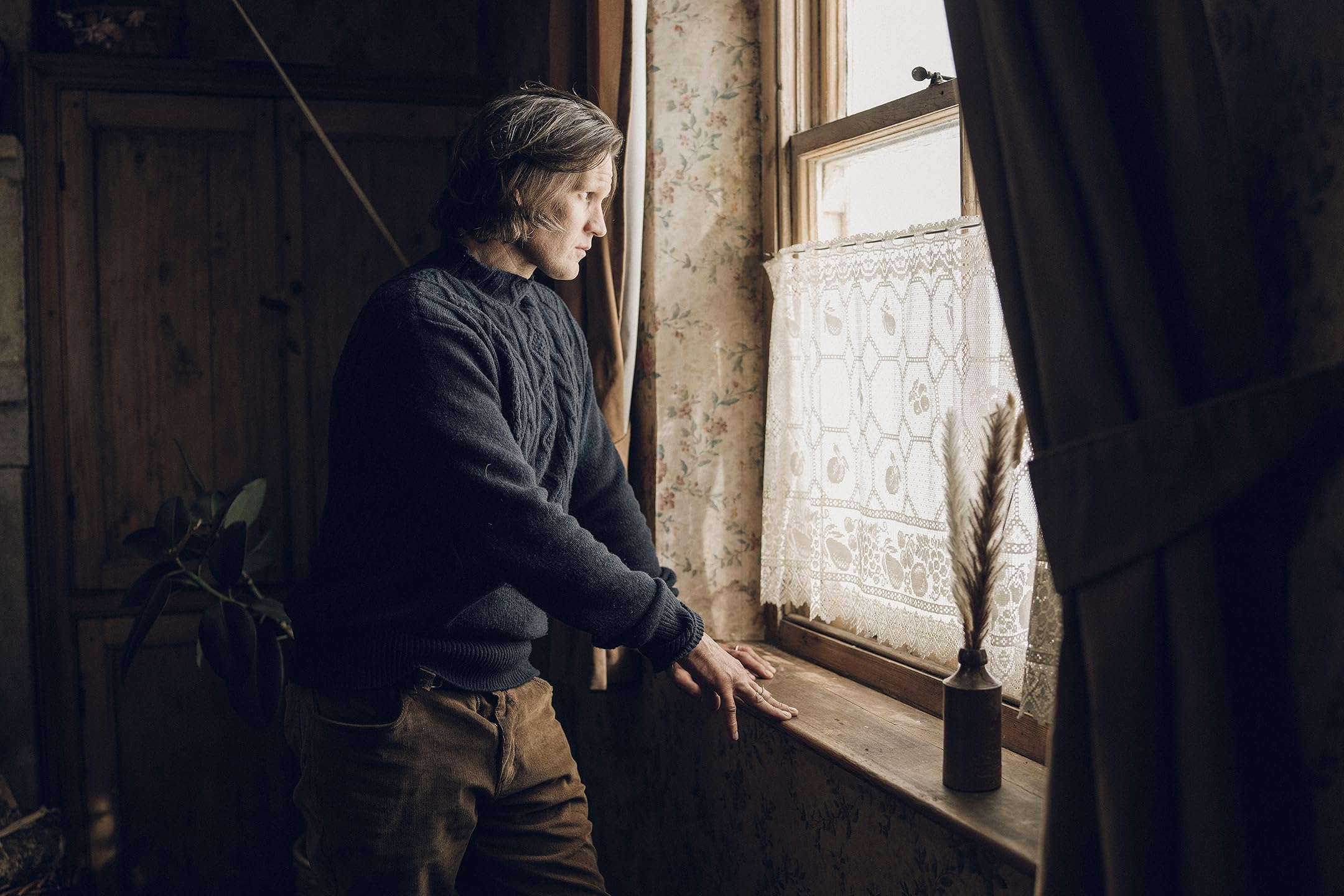
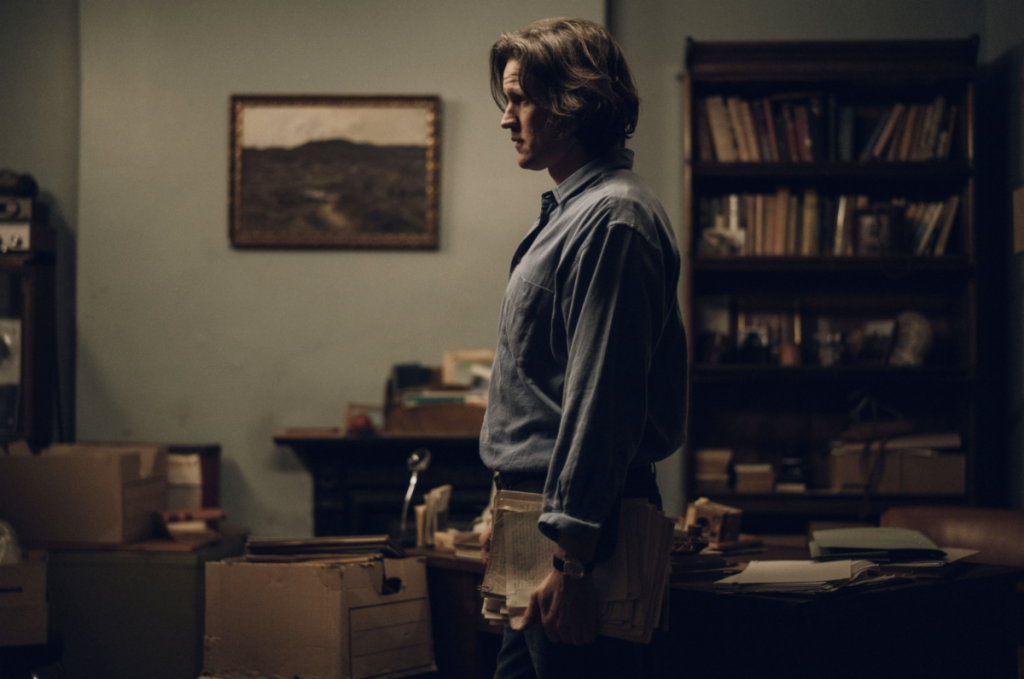
A star of the film is its location. The moors of Northern England really speak to me but their beauty is shrouded in bleakness. In watching the film you can almost feel the damp seep under your skin and wrap itself around your bones. The heavy soil sticking to your boots like the loss and sorrow that hangs onto the central characters. The pace also sometimes feels like trudging through mud, but I have no problem with slow-burn cinema. It is a ‘miserable’ film perhaps but like ‘Father Ted’s’ Mrs Doyle’s reflections on the drudgery of tea-making ‘ some of us like the misery’. Its dark weight may likely be a turn-off to those who like their folk horror all summery and colourful like ‘Midsommar’. The colours of Starve Acre are those of the 1970’s and of the moors – greys, browns and subdued hues.
Starve Acre may not be for all, it’s certainly not a feel-good movie and it’s not perfect by any means but although Dandelion Jack may not feel somehow quite genuine enough, within its premise there is no “But is it Folk Horror?” debate. It clearly is. It may not be destined to be remembered as a classic but I liked it, for me there is something about it that’s not quite there but the casting, acting, setting and mood hit the mark.

 Folk Horror Revival & Urban Wyrd Project ⨘