Folklore Thursday: Samhain and the Celtic Vampires

https://i0.wp.com/www.batcow.co.uk/strangelands/images/sl%20images/143%20vampires%2B.JPG

In Ireland, the Failte na Marbh (Festival of the Dead) was held annually on the 31st October. (also known as Samhain. All Souls and most commonly Halloween).  At this time, the dead would pay a short visit to their living relatives and, after a year in the grave, they were obviously thirsty and famished. It was then the duty of the living kin to provide them with food and drink. If sufficient victuals were not offered, the dead would then feed from the veins of the living. These creatures were known as Marbh Bheo – the Night-walking Dead. On the Scottish Isle of Skye pure vengeance was often thought to be the prime mover for the Biasd Bheulach. These Vampire-like creatures would not only spare their revenge for the specific individuals who had done them wrong in life, or had sent them to the grave, but would exact grim penance upon any living soul that fell within their grasp. In England the dead thought most likely to rise again were suicides & executed criminals, and Northumbria in particular was said to have suffered several Vampire plagues. Prevalent also in both Irish and Scottish lore were Vampires that had no discernible human heritage, and instead seemed to be of a malevolent Fay stock. Such a shadowy creature was the Irish Dearg-Due or Dearg-Diulai – the Red Bloodsucker. Frequently the Dearg-Diulai appeared as beautiful, pale females cloaked in a sanguine-red capes. Attracting warm-blooded males with their feminine charm, seduction soon turned to slaughter.

https://i0.wp.com/www.batcow.co.uk/strangelands/images/sl%20images/144%20baobhan%20sith%2B.JPG

The Baobhan Sith, or Spirit Women, are a strange breed of Scottish Vampiric entities. They most frequently manifest as small groups of beguiling women, dressed in flowing green cloaks that almost conceal the fact that their legs are of a form more befitting Deer. They may also at times take the forms of Hooded Crows. Highland tales relate how they may entrance men with their dancing before sinking their fangs into them. The Baobhan Sith display a fear of cold iron.

https://i0.wp.com/www.batcow.co.uk/strangelands/images/sl%20images/145%20glaistigs%2B.JPG

The Glaistig are green-clad Fay women of fair beauty despite their lower bodies which are actually those of Goats. They are solitary creatures of converse character, for whilst they at times may greatly assist children, old people and cattle-farmers, should they chance upon lone male travellers or shepherds then their temperament changes entirely. They will first engage their victim in a seductive dance, before murdering and feasting upon them. In addition to fresh man’s blood the Glaistigs also have a taste for fresh cow’s milk.
Abridged text and amended images from Strange Lands: A Field Guide to the Celtic Otherworld – © Andy Paciorek

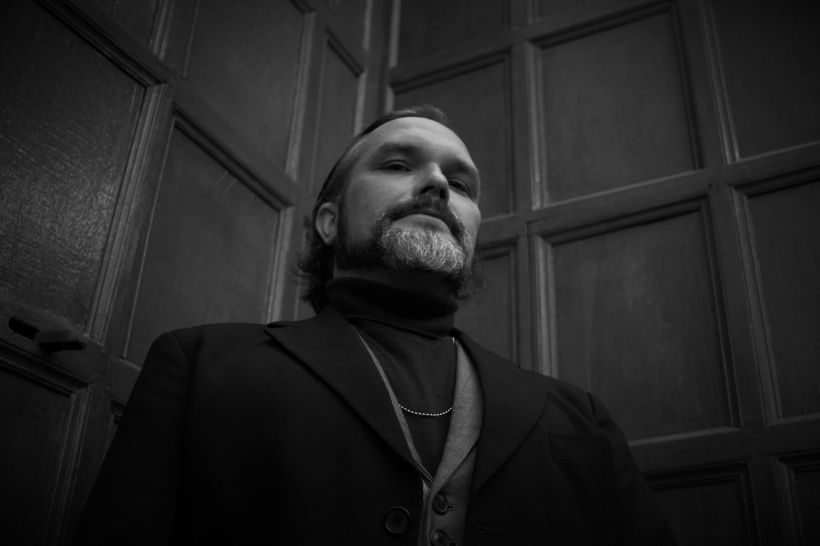
DR. BALDEN CROSS: BEYOND THE VOID

received_266618480644104

Press release from the PMRI:
Who on Earth is (or more accurately, was) Dr. Balden Cross you may ask? Only one of the most controversial TV heretics and paranormal investigators of our time that’s who! The man who sought to find that there was more to our existence than met the eye promised to send a message back from the void before he left our mortal coil back in 1982.
A TV documentary was released on the man himself in 1984 by the now defunct Wessex Television Studios – presumed deleted and lost forever after it’s initial broadcast. The documentary concluded with a seance trying to make contact with the man himself to fulfill the promise he had made. This event has now passed into television folklore and infamy, as events that night in late October, on live TV were said to have been truly disturbing.
received_10155681277771063
Luckily for us, as a treat this Halloween an old VHS copy of the documentary has been found in the vaults of the Paratheological and Metaphysical Research Institute – The PMRI – which was founded by Dr. Cross back in 1971. The archivist at the institute says it had narrowly missed the skip and has now been put online for our viewing pleasure.
Watch this forgotten slice of TV Forteana here:
For more info on Dr. Balden Cross and The PMRI visit: https://m.facebook.com/ThePMRI
Pictures: Dr. Balden Cross portrait, Beyond The Void poster, Dr. Balden Cross outside the PMRI.

Rowan: Morrison – Bury The Forests EP Review

Rowan:Morrison

Bury the Forests EP

Miller Sounds 2018

https://rowanambermill.bandcamp.com
Rowan Morrison 1

The aptly and splendidly named Rowan:Morrison (who are wyrd folk outfit The Rowan Amber Mill with singer Angeline Morrison) present the Bury the Forests EP, a specially chosen selection of tracks from the forthcoming and much anticipated long player In The Sunshine We Rode The Horses alongside some essential non-album cuts. Both The Rowan Amber Mill and Angeline Morrison should be familiar to those of a folk horror bent; the Mill for their pursuit of the uncanny and the unusual in their own unique take on acid folk that can be heard on (highly recommended) recent recordings such as The Book Of The Lost and Harvest The Ears, Angeline for her previous work with the Mill as well as her delicate yet eerie releases with Emily Jones as ‘Emily & Angeline’. Thematically the new EP and album stand together, described by the band as exploring issues ‘of our beautiful natural surroundings, and how the pursuit of profit guides us to learn ‘the cost of everything and the value of nothing’, paving the way for the scarring of the landscape with fracking, HS2, retail parks and so on…’ These ideas and values permeate the songs with a gentle yet stubborn melancholy and a quiet but persistent sense of foreboding, of something beyond a monetary price which is inexorably being lost to us all. The album itself will take the story further as the land itself reacts to decades of man’s interference and destruction and promises to have a Play For Today styled edge to this unfolding narrative. One to watch out for indeed.

The EP begins with The Buzzard and the Nightingale, flute and harp encircling Morrison’s repeated intoning of ‘the light cometh in’. At once bewitching and otherworldly, the song’s ritual chants and delicate woodwind evokes an enchanted space; the most hidden part of the forest, somewhere liminal. Regal and richly detailed, this opening offering casts a persuasive spell which then does not falter for the duration of its fellow songs. Indeed, Bury the Forest is arguably best listened to as a whole, a song cycle with its own inner narrative, pace, mood and concept. We Rode The Horse, a melancholic and sepia tinged acoustic slice of perfect psych folk is swathed in orchestral sweeps and cascading piano, however, whilst truly beautiful, there is an air of dread and tension that befits the subject matter. Rowan:Morrison hold this dissonance masterfully throughout the EP, the interplay of darkness and light only serving to enhance each aspect and provide a finely crafted and nuanced take on the outer edgelands and more haunted furrows of folk. Likewise Gather Around, with its vintage electronic squeals and throbs weaving and wefting into both the warmth of its central cello and Morrison’s lilting vocals, is a lament as much as a call to arms. Its successor, The Meadows Call (Ridgeway) offers an effective musical crossroads whereby psych folk meets analogue electronics, the latter perhaps an area more usually associated with ‘hauntological’ artists such as Belbury Poly, The Advisory Circle or, journeying further back, Broadcast. Indeed those in thrall to the work of Trish Keenan and James Cargill will find much to admire here in Rowan:Morrison’s eye for the eerie, period detail and folktronic orchestration. The EP proper finishes with the somnambulant and beguiling Fall To Sleep, a baroque and wistful piece of chamber folk that would fit equally at home within Paul Giovanni’s The Wicker Man soundtrack as it would PJ Harvey’s piano led and ghost filled White Chalk. Two further bonus songs that will not feature on the soon to be released album peal the closing bell for Bury The Forest; these feel equally as crucial as their predecessors and would be a significant loss not to obtain by missing out on this release. The Meadow’s Call (Original), whilst an alternate take on a previous song, is a strikingly different version and holds its own individual approach and emotional impact, its layered strings and synths offering a more strident, stirring and ornamental interpretation. It is the last of the additional tracks however which feels utterly indispensable; At The Circles End marries an evocative spoken piece on the precarious state of the land to huge, filmic swells of strings and a resolute and reoccurring harp melody that seems to hang in the air itself, all framed by the constant chatter of birdsong. That such a strong piece of work is considered a bonus song demonstrates the level and quality at which Rowan:Morrison are operating.

Beautifully housed in a metal tin replete with badges, prints and stickers (and available in both a monochrome or colour version), Bury the Forests is a carefully crafted and sublime slice of psychedelic folk. This is the real deal, a genuine artifact that doesn’t simply seek to emulate or provide an imitation of the original, antiquated acid folk recordings of the past but which instead carries on and furthers the tradition in an individual and fascinatingly unique fashion. It also bodes extremely well for the release of In The Sunshine We Rode The Horses, creating significant anticipation for the album itself. Both the CD versions and a download of the EP can be found at The Rowan Amber Mill’s Bandcamp page; haste ye there.

Grey Malkin.

‘On Halloween Strange Sights Are Seen’ – About a Short film by Tea & Morphine

Folk Horror Tea & Morphine 1.jpg

Folk Horror Tea & Morphine 2.jpg
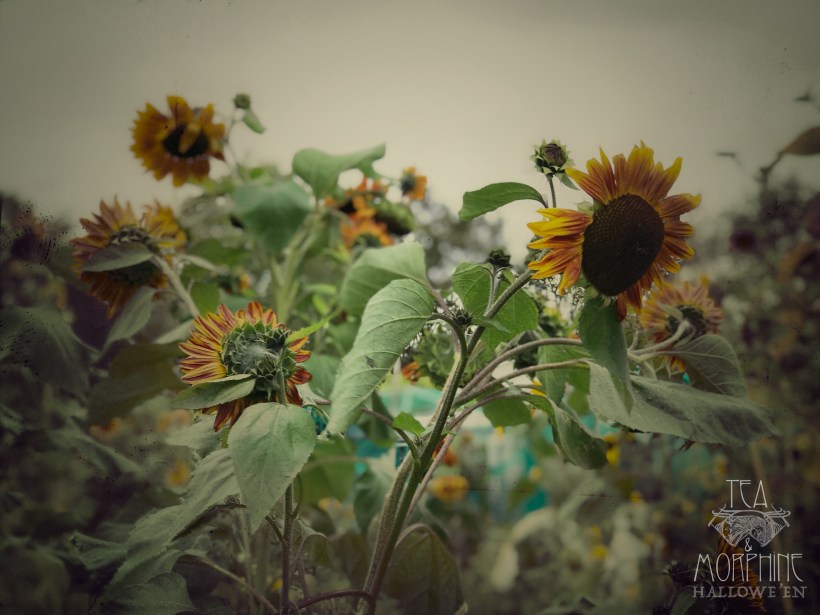
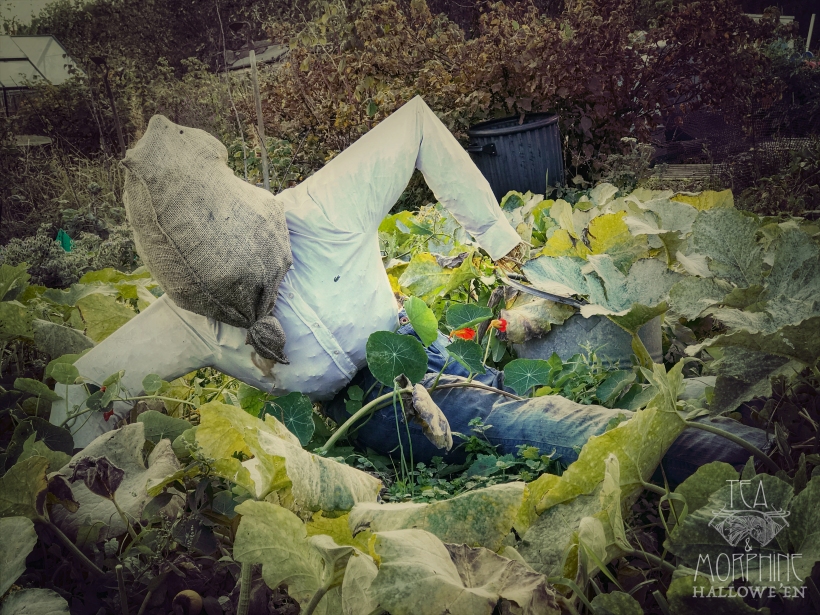
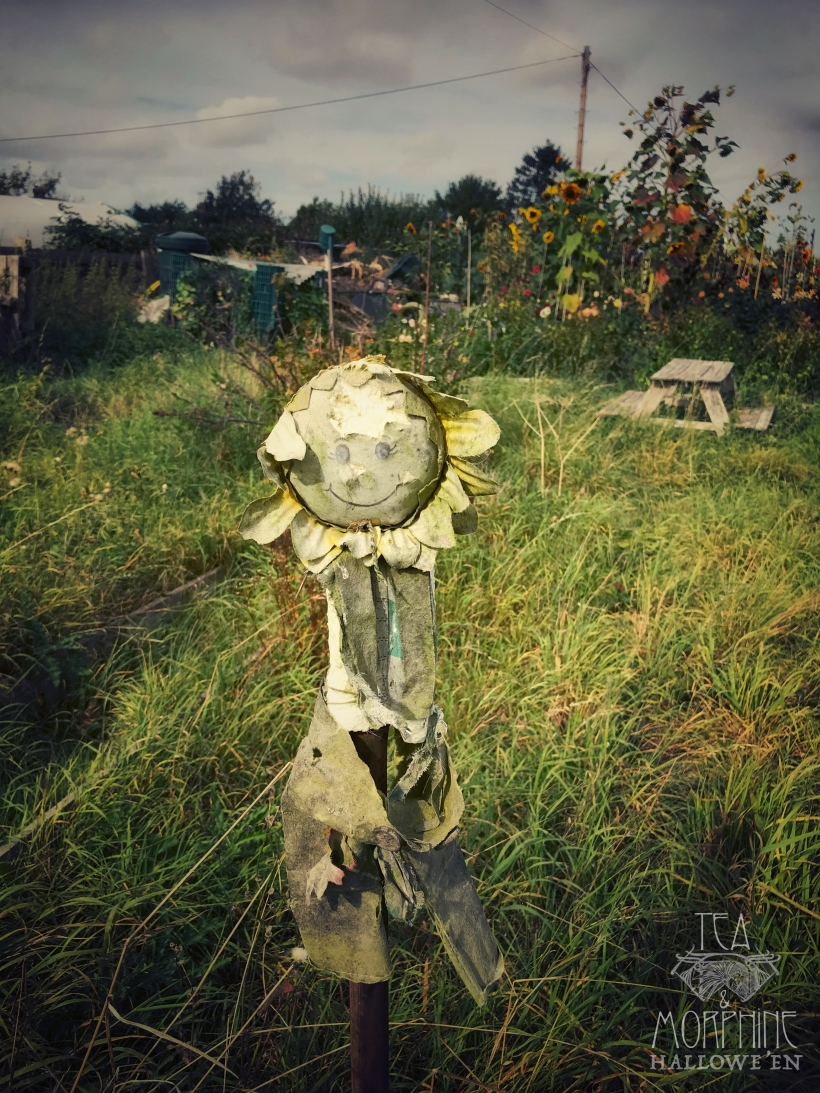
On 31st October, this Halloween, ‘Tea & Morphine’ will take us on an unusually eerie walk through a small Hertfordshire allotment. In this seven minute video short the viewer is taken on a surreal journey that transforms an everyday allotment into a world of mystery and intrigue as we are introduced to the many weird and wonderfully handcrafted characters who reside among the plots there.

Along the way we encounter sinister sunflowers, pumpkin laden tables and a whole host of quirky scarecrows and oddly imagined effigies, set to the atmospherically whimsical music of The Parlour Trick, the film takes the traditionally English pastime and spins a darkly twisted tale of the unseen going’s on when the inhabitants are left alone to their own devices. With no rigid plot or narrative it is left to the viewer to imagine the storyline as the procession moves dreamily through this surreal landscape.

‘Tricksters and Threats’. Also known as: Scarecrows, Wurzels, Tatter-Men, Mommets, Bugbears ~ Tatty-Bogles cannot help but frighten, as they shamble down country roads with their arms outstretched as if crucified – yet inspiring terror may not be their prime motive, as they simply want to stretch their legs after a long day of solitude standing. The fear generated in human observers may be either amusing or regrettable to them, or it may even go unregistered. It is by their very name and nature to frighten, for they are the Scarecrows erected in fields by farmers to try and protect their crops from the hungry beaks of birds.

https://i0.wp.com/www.batcow.co.uk/strangelands/images/sl%20images/55%20tatty-bogles%2B.JPG

The reasons for their nocturnal animation is somewhat of a mystery, for perhaps not all will rise and leave their plot, but some seem more inclined to come to life at night. Perhaps this is of their own volition or maybe there is some external enchantment at work. It could be that the magic of Witches or perhaps Fay beings animate these rag-bag effigies in order to cause mischief or perform other tasks. Otherwise a Scarecrow could provide an ideal host for a wandering spirit or Demon that possesses no true form of its own. Such strange and shapeless souls are the Brollochan. These uncanny wanderers may visibly consist of at best a mouth and pair of eyes but they can grant mobility to any inanimate object they enter. Should a Tatty-Bogle be thus possessed by a Brollochan, this would be revealed as “Thyself” and “Myself” are said to be the only words it can utter.

Extract on the folklore of scarecrows from – ‘Strange Lands ~ Supernatural Creatures of the Celtic Otherworld’ by Andrew L. Paciorek.

Folk Horror Tea & Morphine 7.jpg

http://theparlourtrick.com
Music is by The Parlour Trick; a song chosen from ‘A Blessed Unrest’ known “The Halloween album of the year” ~ Douglas Wolk (Rolling Stone, Pitchfork, TIME) Meredith Yayanos; Voice, strings, theremin, percussion & Dan Cantrell; Accordion, bass accordion, pump organ, celeste, glockenspiel, percussion.
https://theparlourtrick.bandcamp.com

‘On Halloween Strange Sights Are Seen’ is being shown Wednesday 31st October 2018 on the Tea & Morphine Facebook Page

https://www.facebook.com/teaandmorphine/
Images © 2018 Tea & Morphine

Folk Horror Tea & Morphine 4


Folklore Thursday ~ Night Hags and Demon Lovers

https://i0.wp.com/www.batcow.co.uk/strangelands/images/sl%20images/139%20night-hags%2B.JPG
Night Hags: Also known as: Night-Mares, Mara, Mera, Mares, Crushers, Drudes, Mare-Demons, Hagges, Haints, Entities, Mallt y Nos, Night-Fiends, Cauchemar, Night-Elves.
Sometimes people who suffered from wasting diseases such as Tuberculosis Consumption were said to look ‘Haggard’ or ‘Hag-Ridden’. This refers to the belief that, as they slept, a Night-Hag had entered their bedchambers and either sat upon their chests crushing them (but not to the point of fatality) and perhaps sucked away at their breath, or their vitality, or alternatively had actually ridden their victims entirely into the air and sometimes over distance. Either way, their human victims were left exhausted and often diseased. The alternative name of Mara and its similar derivatives is said to have meant Crusher in Old-English, and it is from this word that the term Night-Mare originated – initially meaning not a bad dream but an actual external terror. The term Hag-Riding has also been applied when horses who had been left resting have been found to be exhausted and covered in sweat in the morning. Again it was considered that the Night-Hags had been riding the horses around in circles to the point of collapse during the hours of darkness. In some locations it was thought that these fiends on horseback delivered bad dreams to households, thus giving an additional meaning to Night-Mare. An alternatively used term to Hag-Riding is to be Owl-Blasted, which refers to the belief that Night-hags would sometimes take the form of these nocturnal birds.

https://i0.wp.com/www.batcow.co.uk/strangelands/images/sl%20images/141%20demon%20lovers%2B.JPG

Demon Lovers: An Incubus is a male spirit that seeks to indulge a mortal woman in carnal activity, whilst a Succubus is a female spirit that likewise preys on the passions of mortal men. However it has been suggested that both spirits are one and the same, and that the Incubi / Succubi adopts only a specific gender in relationship to its particular victim. The nature of these nocturnal paramours preyed heavily upon the minds of the Medieval Church, possibly because many of the alleged victims were members of their own ministry who had prescribed to a life of chastity. (Merlin, the great sage of Arthurian legend was thought to be the offspring of an Incubus and a Nun). The Church scholars deliberated on whether the phenomenon was mere hallucination borne out of celibate frustration, or sinful fantasies made flesh, but this held their own people to blame almost as much as the other considered option that such claims were in fact a cover-up for actual corporeal liaisons with human partners. Frequently, though, those who claimed an encounter with an Incubus / Succubus seemed not to have been pleasured by such a visit but to have been genuinely shocked and frightened. Therefore further attention was concentrated on seeking out an external, supernatural culprit. They questioned whether these night-visitors were perhaps a salacious breed of Faerie, or maybe vengeful Ghosts, but as all were considered agents of the Devil anyway then it was simple enough to label them Demon-Lovers.

Images and Text © Andy Paciorek
Adapted from the book Strange Lands: A Field Guide to the Celtic Otherworld

The Wyrd Kalendar – The Autumn Mix

Join the Kalendar Host this Autumn for a delicious collection of harvest treats. Words from Wyrd Kalendar, Darren Charles and Howard Ingham mingle with music from the likes of Matt Berry, Moon Wiring Club, Nick Drake, Ivor Cutler, Heslington Primary School, John Barry, Beth Orton, Bridget St. John, Emil Richards, Tricky, Bobby Darin, Mark Barnes, Francoise Hardy, The Dandy Warhols, The Vines, Jon Hopkins, Strawbs, Pulp, Jeff Buckley, Gene Moore, Hi Tension, Pink Floyd, Nat King Cole, Lee Hazelwood, Lonesome Wyatt & the Holy Spooks, Pacific, New Model Army, The Overlanders, Barbara Streisand, The Kinks, XTC, Moondog, Cleaners from Venus, Donna Summer, Kirsty MacColl, God is an Astronaut, Allah Las, Airhead, Forest, Frontier Ruckus, Small Faces, The Spotnicks, Reverend & the Makers, David Cain and Autumn.

Buy the Wyrd Kalendar book: http://www.lulu.com/shop/http://www.lulu.com/shop/chris-lambert/wyrd-kalendar/paperback/product-23371751.html

The Wyrd Kalendar album is coming soon…

Soirée – A Short film by Charles Doran

The following review is for Charles Doran’s fascinating new short film Soirée.

41624592_2130895737227617_4106300635501035520_n

Soirée tells the story of Bill, a young academic who we learn lives in the beautiful house at the top of the hill with the Bougainvillea – a thorny ornamental plant that grows in his garden. Bill is incredibly proud of his garden and loves nothing more than spending time sitting outside and enjoying the peace and tranquillity it provides. When we are first introduced to him this is where he is. His girlfriend Soledad (Surely a reference to Jess Franco muse Soledad Miranda) joins him, she hands him a gift to celebrate their one month anniversary. Bill looks unimpressed by the cufflinks and admits that he has not bought a gift for Soledad. Bill comes across as being very self-centred, claiming that his very presence is present enough for Soledad, who then mentions that they have been invited to a party by a Professor friend of hers that evening. Bill doesn’t seem too keen to attend but he begrudgingly accepts the invitation to the party.

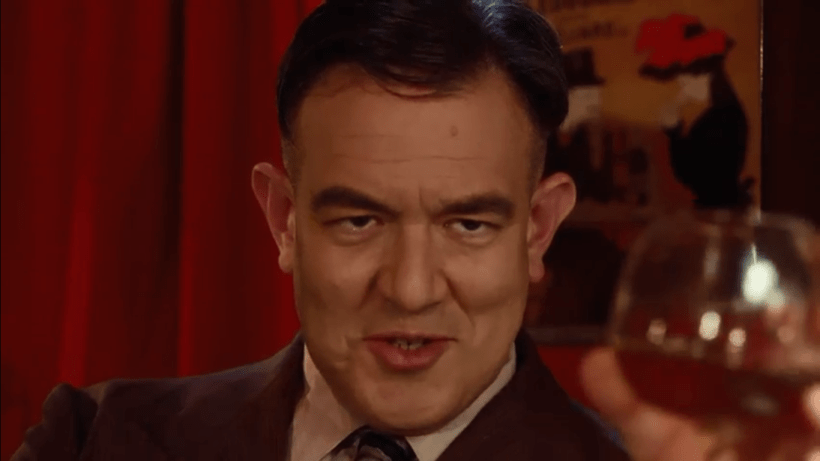
The soirée, which is being held at the Institute for the Scientific Study of Human and Non-Human Phenomena is hosted by a gentleman named Wilhelm, played by Doran’s brother and co-writer Timothy. As he and Bill become acquainted over a few drinks, we are treated first hand, to what a scene stealer Doran is. His role as the Aleister Crowley type occult leader figure of Wilhelm is a perfect bit of casting, he exudes a genial menace of the sort made famous by Charles Grey’s Mocata in The Devil Rides Out or Niall MacGinnis as Julian Karswell in Night of the Demon. He is also attired most appropriately in a 1930s style suit, and even his home décor seems appropriate for an occult leader. As the two drink and become further acquainted we begin to see just how thoroughly unpleasant Bill really is. He tells Wilhelm and Soledad of the despicable way in which he was able to cheat the former owner of the house out of her home, and when they are joined by Wilhelm’s friend Jason, he is dismissive and rude about the occult figurine that Jason has brought to the party for the ritual that is due to take place. A very drunk Bill then agrees to be silent during the upcoming ritual in order that he may stay and watch.

41663748_624313834689985_9135791163993751552_n
Timothy Doran as Wilhelm

Warning! The following two paragraphs may contain some slight spoilers. The camerawork and direction are spot on, particularly during the ritual scenes, which are just oddball enough to be truly menacing. The use of drums and a ritual dance performed seductively by a female cast member help to create a suitable atmosphere, whilst the use of animal masks draw influence from Robin Hardy’s classic The Wicker Man. Wilhelm’s mask,  on the other hand, harks back to something very Lovecraftian in nature, but even more terrifying.

As an interesting side note I would like to draw attention to the film’s use of the ancient Roman religion of Mithraism, which was practiced throughout the Roman Empire in the early centuries of the common era. This is particularly of interest to me as I live in the North East of England, near to the site of the Temple of Mithras at Carrawburgh, on Hadrian’s Wall, which was built around 200 CE. Legend would have us believe that the God Mithras captured and killed the primeval bull in a cave. This apparently led to Mithraic temples being small, gloomy places as they try to replicate the atmosphere of the cave.

41645138_316953139060391_2868375766691741696_n

Overall, this is a beautifully made short film with a straight forward but well executed plot. The production values are great, and the main cast are all excellent, Matthew Nelson as Bill, Catie Smith as Soledad, Timothy Doran as Wilhelm, and Patrick Peterson as Jason. All ably buoyed by a fine supporting cast. In fact, the whole film looks and feels a lot more expensive than it is, which is real credit to the director who has created something that looks good on a budget. All credit to him for his hard work because it really does pay off here. I look forward to seeing where Charles and his brother go from here…

41669280_515735185556022_8630384276166148096_n

Charles Doran is an Administrative Professional for a major university in Southern California. His previous short films, Westsider, and Ennui, played at film festivals all over the world. Soirée is his first attempt at an “urban wyrd “ type of film. Soirée was co-written by his brother Timothy, an Assistant Professor of History  at Cal State Los Angeles, who runs the very real Institute for the Study of Human and Non-Human Phenomena, the primary setting for the film.

“This Is Bardcore” – an interview with The Story Beast on his Prog Rock Folk Horror Comedy Show

Folk Horror Revival recently got wind of a new show being performed in London this Saturday the 15th in London. We spoke to the creator about the piece and his inspirations.

So, if you can first tell us a bit about yourself?
In my day to day life I am mere actor/writer John Henry Falle but onstage I am the mortal vessel for cosmic bullshit merchant, The Story Beast. He’s an immortal wizard whose seemingly self-appointed duty seems to be to tell the Old Tales a-new and the New Tales a-old. He’s basically a crap, slightly pissed up version of Doctor Who.

What’s This Is Bardcore about then?
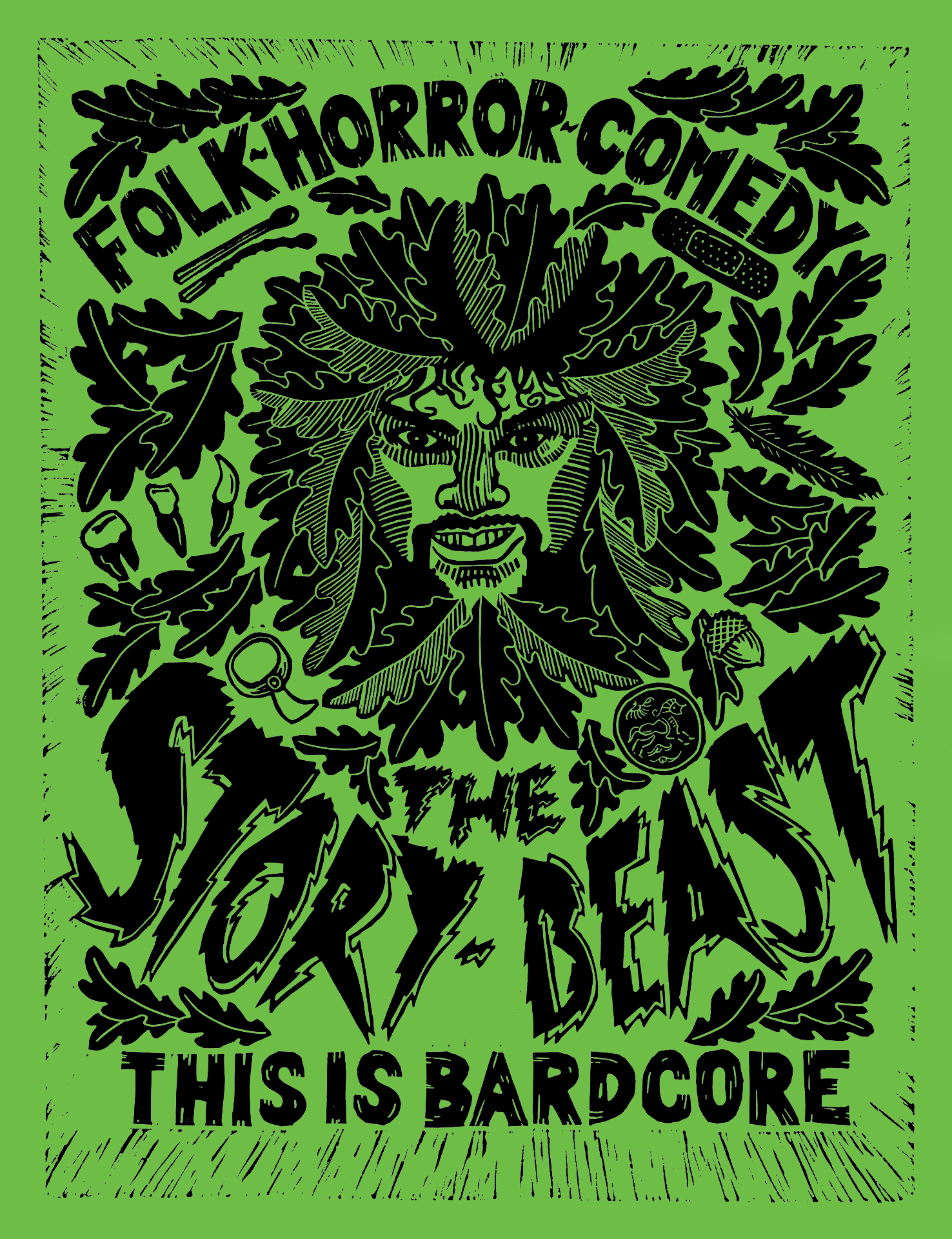
It’s a Prog Rock Folk Horror Comedy Show or #ProRoFolkHoCoSho…I’m sure that’ll get trending soon. This is my second show as The Story Beast. The first got nominated for the Edinburgh Comedy Award for Best Newcomer (formerly the Perrier) and This Is Bardcore finds him arriving in our dimension accompanied by his best mate – a sentient Tree rooted to the Centre of your Reality. He’s entirely convinced that the world is coming to a very swift end. I take the audience on a folkloric trip through our collective unconscious via Blue Peter, an epic poetry rendering of Die Hard and the geological history of the Earth told through the medium of Rock & Roll. I’m hoping this is how I get on Live At The Apollo.

Where does your interest in folk horror stem from?
I grew up in the countryside on the island of Jersey surrounded by cows and a lot of those terrors felt quite close to the surface, I suppose. We lived in an old farmhouse where my Dad had grown up. The house was on a hill above a Mental Hospital where my Great-Grandad had spent the last third of his life. We found an actual stillborn child in the walls of the house once.

Sorry, what?
The plumbing in the house went to shit and flooded out my parent’s bedroom. Just this hideous black dripping as the water flowed through years of dust and horse-hair plaster. The whole room had to be ripped apart and on the inside of the walls we found this bricked up little alcove. A window where a window shouldn’t be. So we opened it up and on the inside we found some pages torn out of The Book Of Common Prayer, a shoe and the dusty, leathery protuberance of a stillborn child.

Isn’t that the plot to Nigel Kneale’s “Baby“?
Pretty much! And we never found out why, either! It must have been someone over a century ago who were giving their baby a decent burial. But Jersey is a full of that sort of folkloric strangeness. There’s an active coven of witches on the island! Down the road was the Barn where the people of the Parish would make the float for the island’s annual Battle Of Flowers. I remember when I first saw The Wicker Man when I was 14 and thinking “This is all a bit familiar.” I live in South London now and I think one of the reasons I love Folk Horror so much is just basic Nostalgia.

Why do you think Folk Horror has caught the public mood right now?
I’m not the first to say this but it feels like a perfect metaphor for what’s going on in this country right now, doesn’t it? That dangerous nostalgia. The desire to go back to— what? The 70s? The 30s? The Past in general despite the dreadful things we left there? This show is slightly more political than my first one as it’s the first I’ve done since the BrexiTrump happened and I’m one of those tedious, explosive Remoaners who can’t stop talking about the State of this Country once he gets going. One of my opening songs is a Pink Floyd-y rock number called “Whatever Happened To The Country That You Once Knew?“ where I sing about that nostalgia and how it constantly blooms into violence, madness and bestiality.

Do you think there is something peculiarly British about it?
Well we may have the Unholy Trilogy but Children Of The Corn seems as prescient a version of Trump’s America. What seems particularly British is how susceptible we are to a certain stripe of Fantasy. We invented the genre and if you look at a lot of the Tolkiens and Lewises they have this Romantic with a Capital R belief that if we only get the Good King back on his throne then everything will be alright again. Horror from Mary Shelley onwards is more equivocal and clear eyed about how fragile society can be and the dreadful things we’re capable of as a species. Folk Horror looks at our violence head on. It tells us that if your only concern is to purify society this will inevitably lead to burning the Outsider or the Witch. 52% of the country told the Eastern European seasonal workers to Fuck Off and now our Summer Fruit crop rots on the vine. Jersey’s little different. The island couldn’t vote in a UK Referendum but the motivation is there. The Jersey Royal crop was disappointing this year because there no one there to pick the bloody potatoes! The island’s farming has always depended on outside seasonal workers to pick the potatoes be it Bretons or Irish or Portuguese or Polish people. The local paper had the temerity to blame the weather this year. Apparently the Romanians were leaving because it was too rainy. What really happened is that when they went into a pub they’d be made to feel unwelcome by a load of thick proto-fascists. These people don’t have to come to Britain. They’re bright people who know the value of their labour and they’ll go somewhere else if they feel they’re not wanted. Sorry – got carried away there.

With all that Doom and Gloom do you think Folk Horror and Comedy can coexist?
I think they go hand in hand! The one thing that doesn’t seem to get said about The Wicker Man in all the articles about The 78 Greatest Horror Films That’ll Make You Shit Yourself is that it’s really, really funny. I was 10 when that first episode of The League Of Gentleman came on. Far too young. My Mum only turned it off when Tubbs started breastfeeding the Pig. It was the most shocking thing I’d ever seen but it also had silly people doing funny voices and that’s what lured me in. My brother and I still quote “And in the cupboard beneath the stair / You’ll find the towel for pubic hair.” You gotta laugh, don’t you?

Who should see this show?

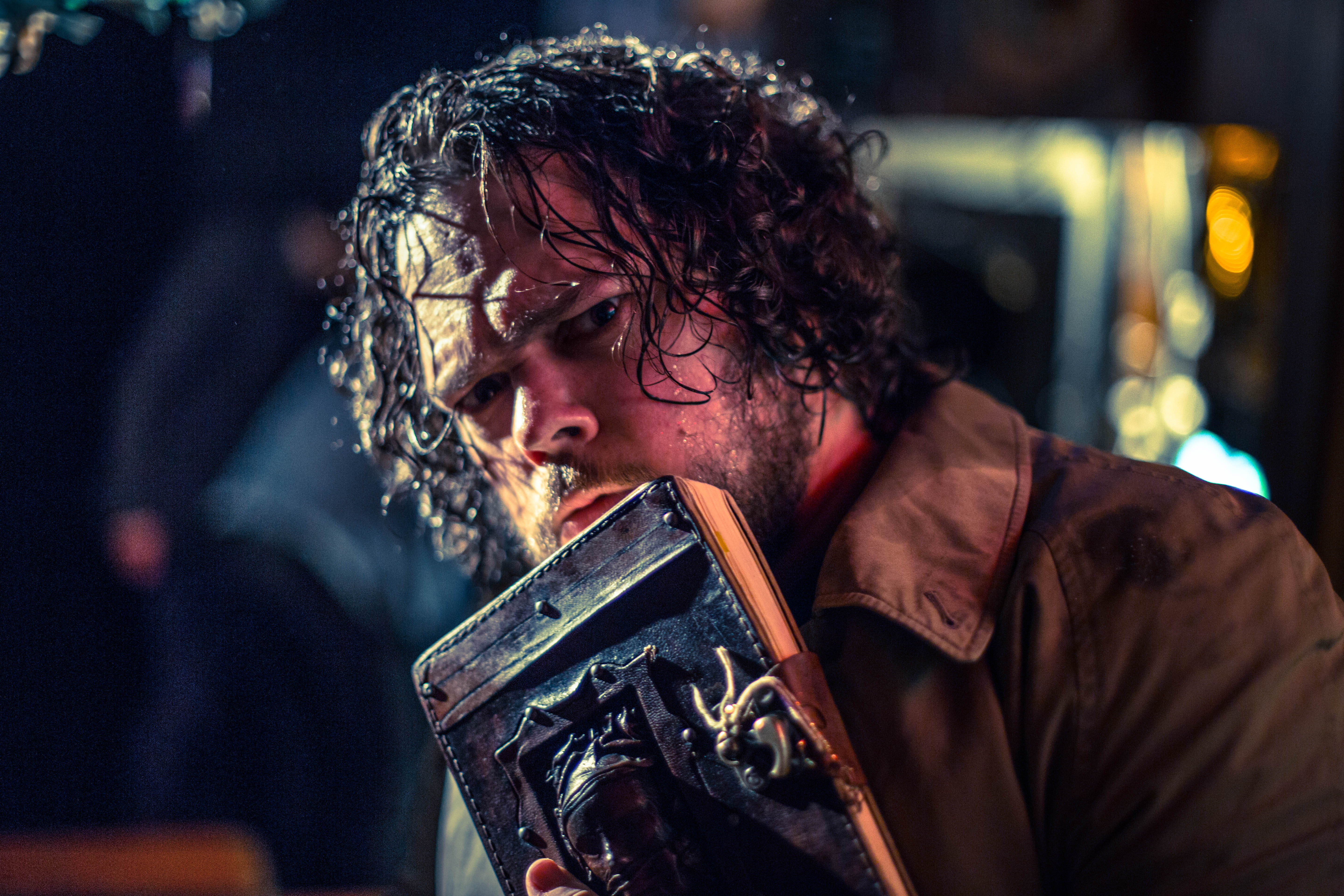
Well your readers obviously. If you like 70s rock, classic Doctor Who, Horror and can’t get tickets to the League Of Gentlemen reunion then this is the Comedy Show for you! Also you get to see a hairy man sweating through a whole trench coat in an hour so there is honestly something for everyone.

The Story Beast: This Is Bardcore is on 9pm This Saturday at 2Northdown in London’s Kings Cross
https://www.tickettext.co.uk/2-northdown/thisisbardcore/


Cinder Well – The Unconscious Echo album review

Our very own Lutenist extraordinaire Peter Lagan reviewed the most recent album by haunted folk combo The Cinder Well for us. We hope you find his musings most enlightening.

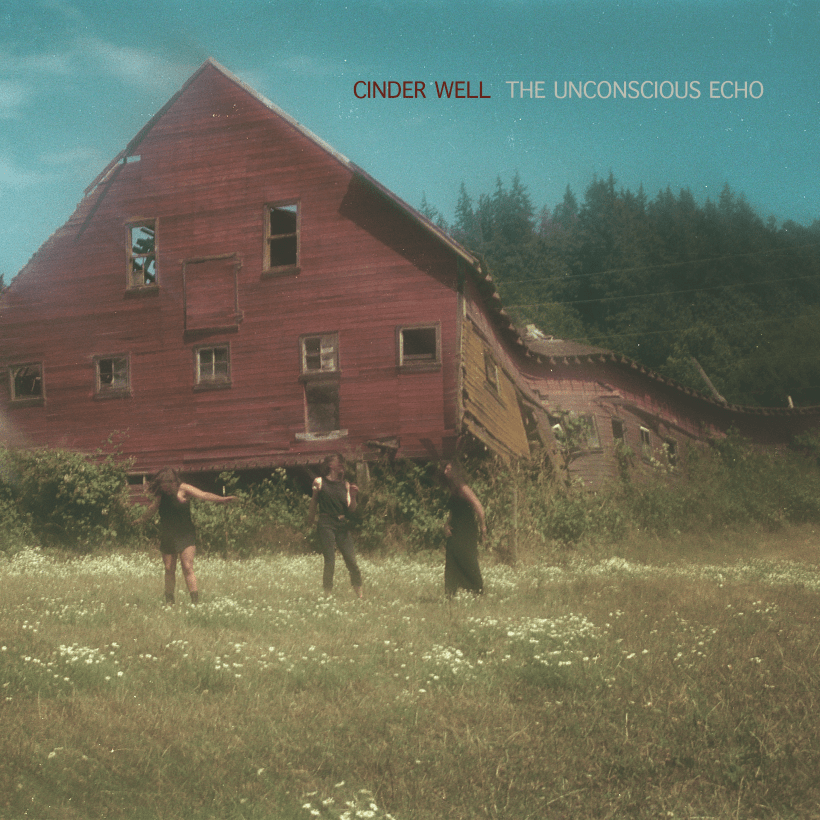
CinderWell_Proof1_30A_NEWCROP_COVER_TEXT.png

“From the outset I have to invoke Shakespeare and others to say “All comparisons are odorous” I say this because it’s common for reviewers to give the reader some sort of peg to hang music on. All I will say is this music has a strong flavour of the 1970s folk revival which took place in England. With a gentle nod to the Strawbs. The music is beautifully crafted with some tracks having the mournful air of broadside ballads accompanied by the sounds of haunting fiddle and viola with the lilting voice of Amelia Baker, carrying each song effortlessly.

Granted this album was recorded and performed in America by American artists . Yet for me the music has many echo’s of English and Scottish traditional songs .And as such should be required listening for those who like their Folk music with a dark and melancholy taste.

The band recently undertook what seems to have been quite a long tour which took in England, Scotland and Ireland.”


For those not in the know, Cinder Well are made up of vocalist and multi-instrumentalist Amelia Baker (Gembrokers and Blackbird Raum) on vocals and guitar, Marit Schmidt (Vradiazei, Disemballerina, and Sangre De Muerdago) on viola, Mae Kessler (Ekstasis) on violin, Magnus Nymo (Regn, Blackbird Raum) on drums and vocals, Peter Olynciw (Blato Zlato, Blackbird Raum) on upright bass, with special guest CPN on old-time fiddle.

My own opinion is that the album is a beautifully dark collision of traditional European and American folk music, with a post rock twist. Amelia Baker’s voice is both sombre and exquisite, and the whole album is a melancholy masterpiece of some astonishing quality. Don’t take mine and Peter’s word for it, give it a listen at the bandcamp page below and if you’re impressed please consider investing in a copy.


Bandcamp: http://www.cinderwell.bandcamp.com

Wanderings With The Fae No.3. The Faceless Man of Crosspatrick.

Wanderings with the fae. A photographic journal of places of atmosphere, folklore, history and strangeness, found on my travels around Ireland.

Crosspatrick Graveyard lies just outside the village of Killala and therein stands the strangely faceless monument to Thomas Mulloy. His hands crossed on his chest as if in death, he looms, unnerving and eerie.

Being a respected local stonemason Thomas took the time to carve his own memorial prior to his passing, adorned with strange angels and staring faces.

Legend has it that Thomas left five shillings in his will to anyone who could close the bottom button of his stone jacket. In 1926 a severe storm blew poor Thomas over, strangely the only damage was that his face was sheared clean off.

It is said that the graveyard is the site of a battle between St Patrick and a number of Druids, when he defeated them he struck the ground with his staff and there sprung forth a spring and at the site he then built a church. Maybe it’s no surprise that Hawthorn now grows across the site…. maybe the Druids have not forgotten… maybe they sent the wind that felled Thomas…..

(Photography by Jackie Taylor. Crosspatrick Graveyard, Killala, County Mayo, Summer 2016)