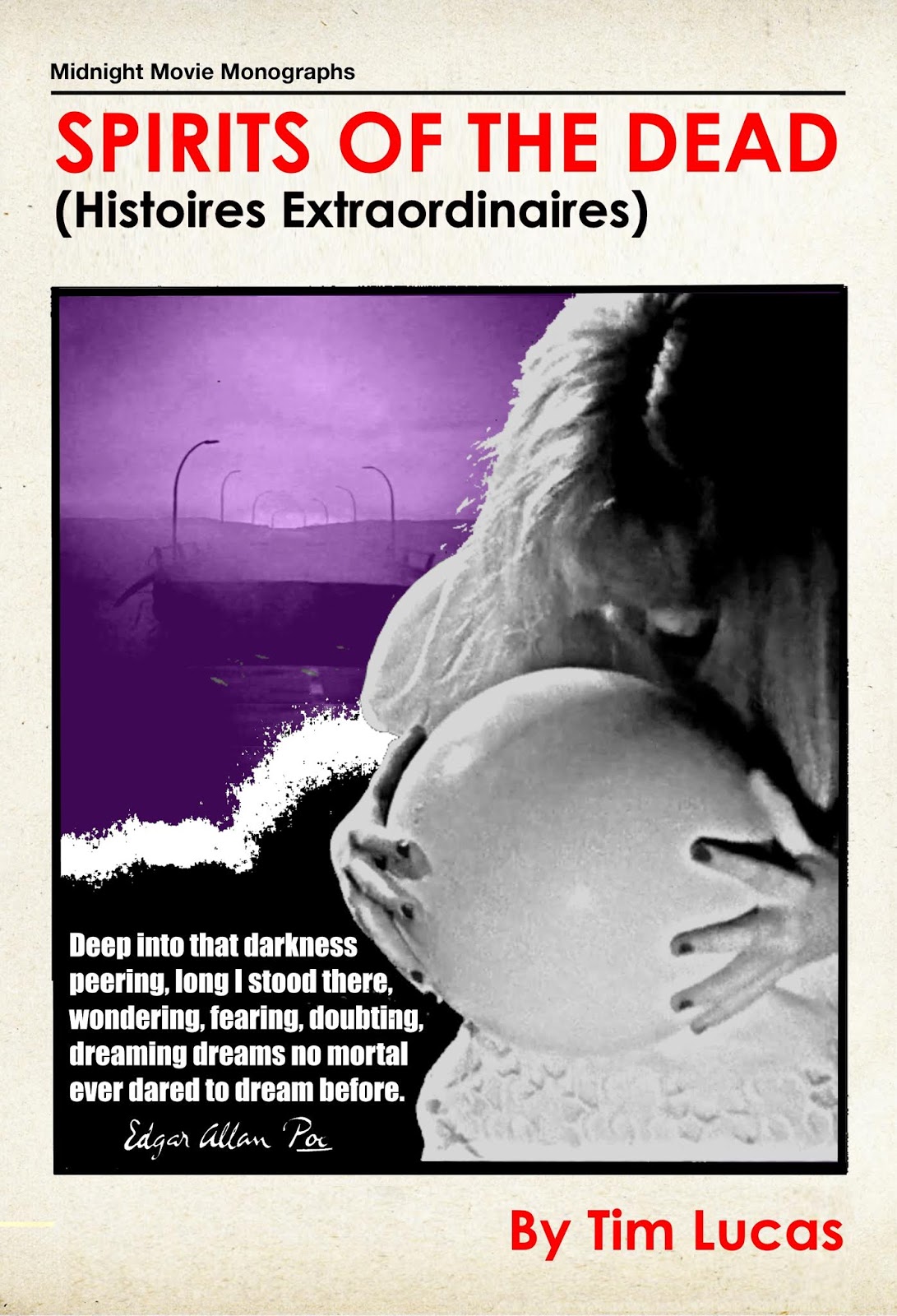
Book Review- Midnight Movie Monographs: Spirits Of The Dead by Tim Lucas

Midnight Movie Monographs are a series of books covering forgotten grindhouse gems. Films in the series including Death Line, Martin and Theatre Of Blood. This volume focuses on the anthology of Poe adaptations of Spirits Of The Dead (also known as Histories Extraordinaires). It provides a meticulously detailed account of the film’s genesis and production, an analysis of each segment (Metzengerstein directed by Roger Vadim, William Wilson directed by Louis Malle, and Toby Damnit directed by Federico Fellini), it’s afterlife on various formats after release as well as the original stories that inspired the film.
Although overshadowed by the better known AIP versions of Poe’s works, Spirits Of The Dead is an interesting curiosity, which as Lucas points out, straddles the line between grindhouse and arthouse, both surreal and shocking. One of the most interesting inclusions in the book was the impact it had on the author, who saw it at a young age, then describes a failed attempt to secure a repeat viewing at the cinema (which is both endearing and a salient reminder about how easy we have it these days, where practically any cultural artefact can be accessed in a matter of minutes via the internet). The author’s love of the film comes through on every page.
The chapters analyzing each segment give a scene by scene breakdown, with the production background discussed and comparisons with the source material made. The chapter on the Fellini segment was particularly interesting, coming at a difficult time in his life, when he’d suffered illness and bereavement and this is explored in detail.
Overall, this is a heavyweight look at this film, perhaps not for the casual reader but if you are a fan of the film, this is unquestionably the definitive look at it.
You can order a copy here.

Recording our own ghosts; a review of ‘A Year In The Country – Wandering Through Spectral Fields, Journeys in Otherly Pastoralism, the Further Reaches of Folk and the Parallel Worlds of Hauntology’

Grey Malkin

For nearly five years the A Year In The Country project has been diligently producing field reports from the more haunted and folk horror inclined borderlands and wyrder areas of popular culture. Transmitting via their regularly updated webpage and issuing audio relics in the medium of themed compilation CD/ downloads featuring such artists as The Rowan Amber Mill, Sproatly Smith and United Bible Studies, A Year In The Country (AYITC) has amassed a valuable archive of all that is uncanny, unusual or unsettling in modern culture, whether it is film, TV, literature or music. Be it Bagpuss or Beyond The Black Rainbow, Shirley Collins or Sapphire And Steel, AYITC has documented these idiosyncratic yet highly significant moments in modern media.

A-Year-In-The-Country-Wandering-Through-Spectral-Fields-book-Stephen-Prince-6-copies-front-cover

These writings (or transmissions) are reproduced, revised and expanded upon here, in the first AYITC publication ‘Wandering Through Spectral Fields’ (for the musical side of the project please do visit AYITC’s splendid Bandcamp page). Divided into 52 distinct chapters (one for each week of the year), the book is described as;

an exploration of the undercurrents and flipside of bucolic dreams and where they meet and intertwine with the parallel worlds of hauntology; it connects layered and, at times, semi-hidden cultural pathways and signposts, journeying from acid folk to edgelands via electronic music innovators, folkloric film and photography, dreams of lost futures and misremembered televisual tales and transmissions’.

Indeed, AYITC embrace a wide range of avenues to bring together not only a sense of how far reaching and varied the origins, mainstays and current players of genres such as folk horror or hauntology can be, but crucially also how they intertwine and cross pollinate. There are chapters therefore on 70’s acid folk and its impact and influence on today’s folk artists, on ‘Folk Horror Roots’ (including an entire chapter on ‘cultural behemoth’ The Wicker Man) but also on ‘Folk Horror Descendants’ such as Kill List, on apocalyptic popular culture through the decades (taking in the horrific The War Game as well as Frankie Goes To Hollywood) and on dystopian literature and cinema such as No Blade Of Grass, The Midwich Cuckoos and The Day Of The Triffids. Television series that have become a part of the folk horror conversation also feature prominently, such as The Owl Service, The Changes, Penda’s Fen and the influential Robin Redbreast (arguably a forerunner for The Wicker Man). Each chapter expertly charts its chosen subject’s impact upon the public consciousness as well as indicating that these artefacts are now part of a greater cultural cobweb that may well have threads and components that are radically different in genre or style but that equally have a strong commonality in their sense of unease and their haunted content; of similar ghosts in the machine (or spooks in the television and bookshelves). Further investigations delve into folklore, TV public information films and the landscape itself as a medium through which a certain mood, an uncanny, can be evoked.

Speaking to author Stephen Prince, we discussed this sense of cross pollination, over genres overlapping and finding common themes and ground;

SP: I think, to a certain degree, the way in which it isn’t easily definable how the different and loosely gathered areas of culture that are discussed in ‘Wandering Through Spectral Fields’ appear to connect, influence one another, have become part of a lineage etc is an aspect of what is appealing about them and that gathering; it is part of what creates a certain mystique around it. Possibly in an age where every area of culture, no matter how niche, can be investigated and explained by for example a brief online search, it is the sense of a hidden history and stories, of an at least partly unexplained aspect to such work that is one of the things which may draw people to it. Along which lines, some of the older culture, although at times inherently containing a left-of-centredness, was initially produced and intended as quite mainstream entertainment. However, over time it has gained an otherlyness and also become points of interconnected reference and inspiration for future hauntological/ otherly pastoral work or again a loose “tradition” or set of themes:


“…they have come to be touchstones or lodestones that seem to invoke a hidden, layered history of the land but which also encompass and intertwine with a wider, hauntological, parallel, alternative version of Britain…” (Wandering Through Spectral Fields, P. 38)


In Chapter 4 of the Wandering Through Spectral Fields book (Cuckoos in the Same Nest: Hauntological and Otherly Folk Confluences and Intertwinings) I discuss some possible shared ground for such work, including a yearning for lost utopias; whether Arcadian dreams within more folk/pastoral orientated work or the lost progressive futures of hauntology. Connected to which you may know of this article but in Robert Macfarlane’s “The Eeriness of the English Countryside”, that he wrote for The Guardian in 2015, he suggests a possible more overtly politically orientated or at least rooted explanation for this curious confluence of culture:


“What is under way, across a broad spectrum of culture, is an attempt to account for the turbulence of England in the era of late capitalism. The supernatural and paranormal have always been means of figuring powers that cannot otherwise find visible expression. Contemporary anxieties and dissents are here being reassembled and re-presented as spectres, shadows or monsters: our noun monster, indeed, shares an etymology with our verb to demonstrate, meaning to show or reveal (with a largely lost sense of omen or portent).” https://www.theguardian.com/books/2015/apr/10/eeriness-english-countryside-robert-macfarlane


There’s not really an overarching and definitive name for this “broad spectrum” of work but in that article he describes such “eerie counter-culture” as being an occulture; which seems appropriate and connects to the earlier mentioned sense of the hidden within such possibly disparate seeming work as some of the roots of the word occult are from the older French word occulte meaning “secret, not divulged” and the Latin occultus which means “hidden, concealed, secret”. I’m wary of seeming overly serious (!) about such things; to a certain degree you could see such cultural exploring as in part a form of grown-up make-believe and world creation, a form of escapist fun. At the same time and connected to the above comments by Robert Macfarlane, that escapist aspect may also at times have roots in more serious areas in that such intertwined work and the worlds it creates could be seen to also create a bulwark from what some may see as the more potentially overwhelming, rapacious or secularly monotheistic aspects of modern life, culture and dominant belief systems.


Philosopher Jacque Derrida, who again as you may know introduced the idea of hauntology, suggested that in a certain stage of society (what has been described, possibly erroneously/precipitously, as “the end of history”) the present will start to orient itself towards ideas and aesthetics that can be thought of as rustic, bizarre or “old-timey” or towards the “ghost” of the past. Much of the culture that I discuss in ‘Wandering Through Spectral Fields’ whether older or more contemporary, folkloric and/or hauntological, could be seen as having an “old-timey” or nostalgic aspect. At the same time often rather than purely providing the potentially more comforting, familiar and recreation of the past aspects of nostalgia, it also has reimagined, unsettled or eerie aspects:


“A re-imagining and misremembering (that creates) forms of music and culture that seem familiar, comforting and also often unsettling and not a little eerie, creating a sense of work that is haunted by spectres of its and our cultural past…” (P. 27-28; from a section in ‘Wandering Through Spectral Fields’ that brings together some of the recurring themes of hauntology and which could also be applied to work which explores the flipside/undercurrents of folkloric culture).


The flipside of folk/pastoral culture and hauntology seem to interconnect to create those familiar but also reimagined, unsettling, eerie and spectral aspects; creating a cultural harvest that on paper and technically you would not expect to, as you also say, cross pollinate but which has proved curiously and intriguingly fertile and hardy.


FHR: Can you say more about your motivation for producing ‘Wandering Through Spectral Fields’ and the possibility that this may just be a first volume of many?


SP: In terms of why I produced ‘Wandering Through Spectral Field’s as a book separate from the AYITC website; at heart and in part it’s not all that much more complicated than it was a book that I wanted to read, that I found myself looking for over the years. Previous to and since its publication/I finished writing it there have been a number of books released which have explored some similar areas but they have generally more tended to focus on one particular area of related culture; semi-consciously I wanted to bring all these different aspects together as, well, they seem to fit, interconnect and influence one another. Online and print orientated publishing both have their pros and cons, their strengths and weaknesses and I’m not didactically more inclined towards one or the other but the more possibly curated, edited etc aspect of a book can bring a particular theme or set of themes into focus – or again as you say, on reading a collection of writing in book form it is hopefully possible to “see how they become part of a larger cultural tradition”. In terms of ‘Wandering Through Spectral Fields’ possibly becoming part of a series of books; we shall see (!).


The AYITC webpage continues to be updated with new thoughts and recollections, new features and films, books, television and music that seem to exist either in a more liminal space outside of the mainstream or that instead occupies the mainstream in a more liminal and unusual manner. Seek it out if you are not already a regular visitor. And for those who favour a little Quatermass with their Wicker Man, a touch of Belbury Poly with their Incredible String Band or a taste of Children of the Stones with an offering of Chocky, this volume is highly recommended.


With thanks to Stephen Prince for his time and answers. ‘Wandering Through Spectral Fields’ is available from ayearinthecountry.co.uk as well as Amazon.
 

Wanderings With The Fae No.2. The Lost Cottage.

Wanderings with the fae. A photographic journal of places of atmosphere, folklore, history and strangeness, found on my travels around Ireland.

Sometimes you find things totally by accident. Sometimes these places have a greater resonance than those you visit deliberately.

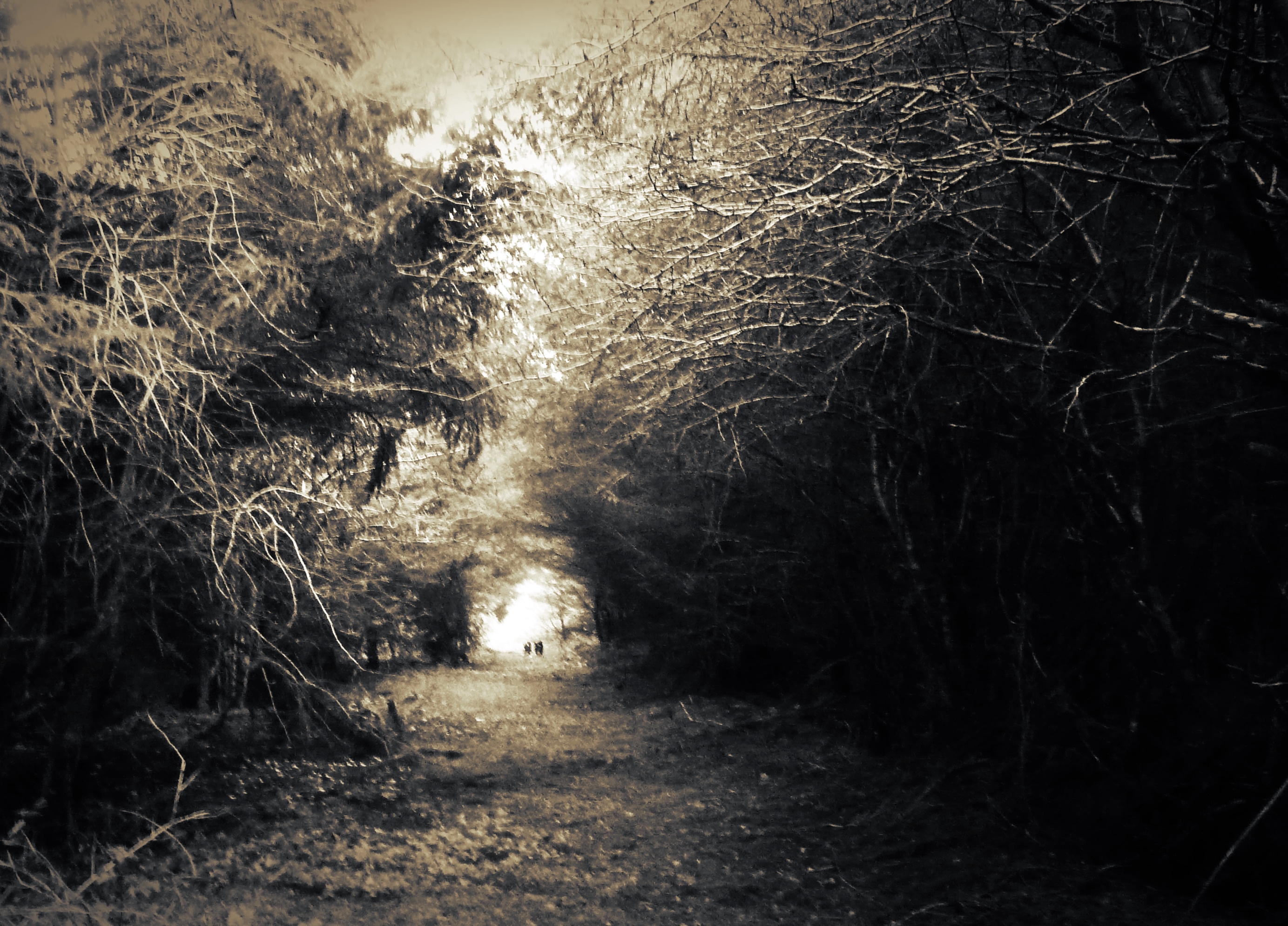
Sometimes you wander deeper into the woods than you meant to, but something calls you on.

When the path into the woods becomes narrower, thinner, wilder, and just at the point when you wonder should you turn back, something catches your eye through the trees.

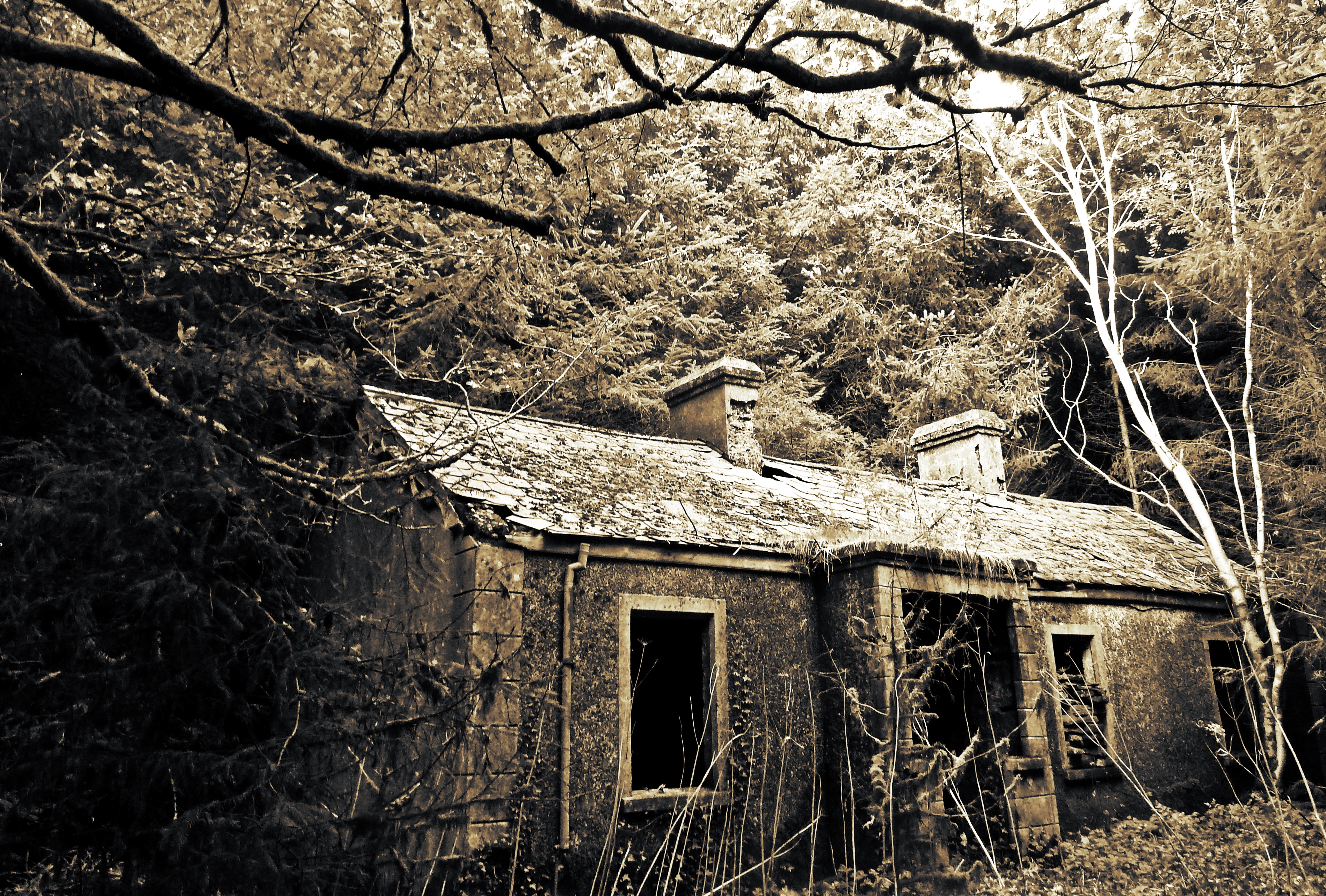
Miles from any road, from any other inhabitation, the lost cottage sits in a clearing.

As a chill atmosphere filled the air, I could only imagine who lived there last, who left it to succumb to the whims of the forest. I walked away with more haste than I arrived.

Sometimes you can never find these places again, sometimes there is a reason for that…………

(Photography by Jackie Taylor. An unknown location somewhere on the Mayo/Sligo border. Winter 2016)

Wanderings With The Fae No.1. Achill, pirate queens and folk art graves.

Wanderings with the fae. A photographic journal of places of atmosphere, folklore, history and strangeness, found on my travels around Ireland.

Achill Island is a place of remoteness, wildness.

Carrickkildavnet Castle has stood guard over Achill Sound for near 600 years. Once the home of the infamous pirate queen, Grace O’Malley.

Kildownet Graveyard contains the ruins of a chapel thought to have been built by the pirate queen herself. Sitting right on the coast, it seems that one good storm could take some of those interred to a far deeper, wetter grave.

What makes Kildownet so special is It’s number of folk art gravestones. These simple markers, cast from concrete and decorated with stones, broken glass and shards of pottery are far more poignant than any grand tomb.

And I still haven’t found anyone who could explain to me what being a "Mystical Midwife" entails!

(Photography by Jackie Taylor. Achill Island, County Mayo, August 2017)

The Wyrd Kalendar – Spectral Fields Mix 2

The Kalendar Host has been reading.

He has found himself lost in “A Year in the Country – Wandering Through Spectral Fields” by Stephen Prince. This incredible work has inspired a new journey out of the Kalendar Heath and across these Spectral Fields to discover music, ideas, stories, folk horror jaunts, hauntological treats and nostalgic terror.

This is the second of four mixes dedicated to this new book. This mix explores chapters 14-26 through music, sound and key extracts, acting as an accompaniment or, if you will allow, an aural appendix.

Buy the book here: https://www.amazon.co.uk/Year-Country-Wandering-Pastoralism-Hauntology/dp/0957400721

Discover the delights of Broadcast, Cat’s Eyes, Virginia Astley, Brian Eno, Kate Bush, Jim Williams, David Colohan, Howlround, Keith Seatman, Loose Capacitor, The Twelve Hour Foundation, Shirley Collins, Stealing Sheep, Leyland Kirby, David Sylvian, Fairport Convention, Roy Redmond, Nirvana, Luke Haines, Tim Hart and Maddy Prior.

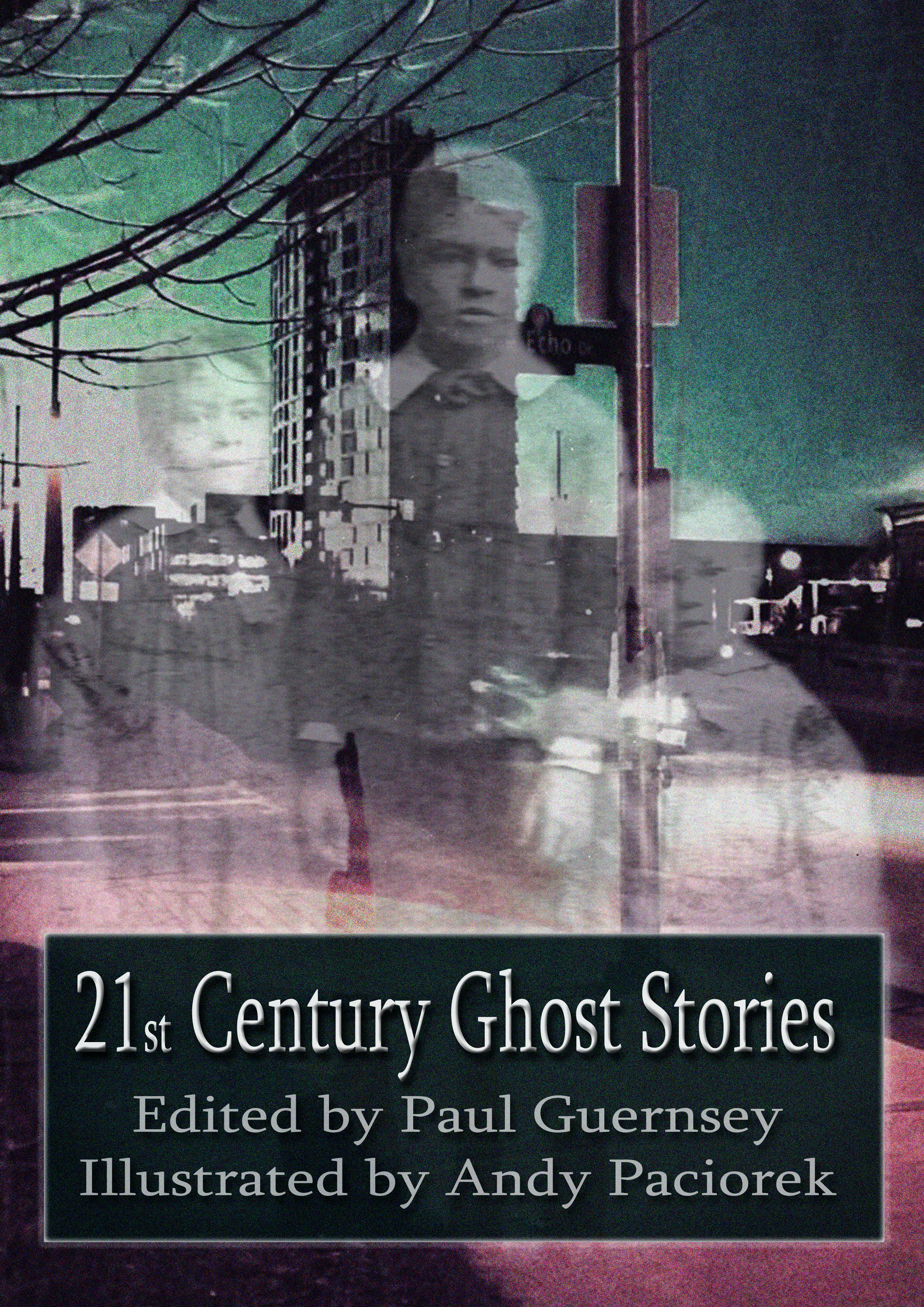
21st Century Ghost Stories

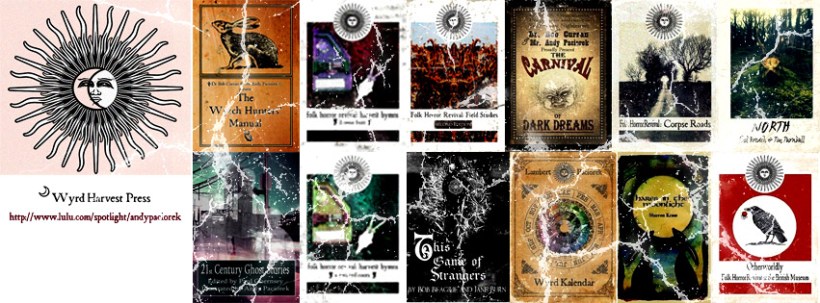
FC Low ResThis astonishing anthology gathers award-winning work by contemporary short-fiction writers from around the English-speaking world, all of whom drew their inspiration from the supernatural. Each of these fine authors, whether from the U.K., the U.S., Ireland, Canada, Australia, or elsewhere, puts his or her own thought-provoking, 21st century spin on some aspect of the paranormal—there are ghosts, of course, but you’ll also find tales revolving around demons, zombies, spirits in the Voudou pantheon, out-of-body episodes, doppelgangers, shape-shifters, hallucinations, dreams, imaginary people, mythical beings, and Things You Just Can’t Explain. These 29 stories are chilling, or funny, or a bit of both, and they all will continue to turn in your imagination long after you’ve finished reading them.
Available now from ~ http://www.lulu.com/shop/paul-guernsey/21st-century-ghost-stories/paperback/product-23734410.html

Launch offer – 25% off

15% will be directly deducted from cover price – to save a further 10% Use the Code –

LULU10

at checkout at – http://www.lulu.com/spotlight/andypaciorek

Ends 9 August at 23:59

100% of profits from FHR / Wyrd Harvest Press books sold in this store will be charitably donated at intervals to different environmental, wildlife and community projects undertaken by the Wildlife Trusts.

death2 small

The Potatoes Have Eyes ~ A Glance into the Field ( + Discount Code)


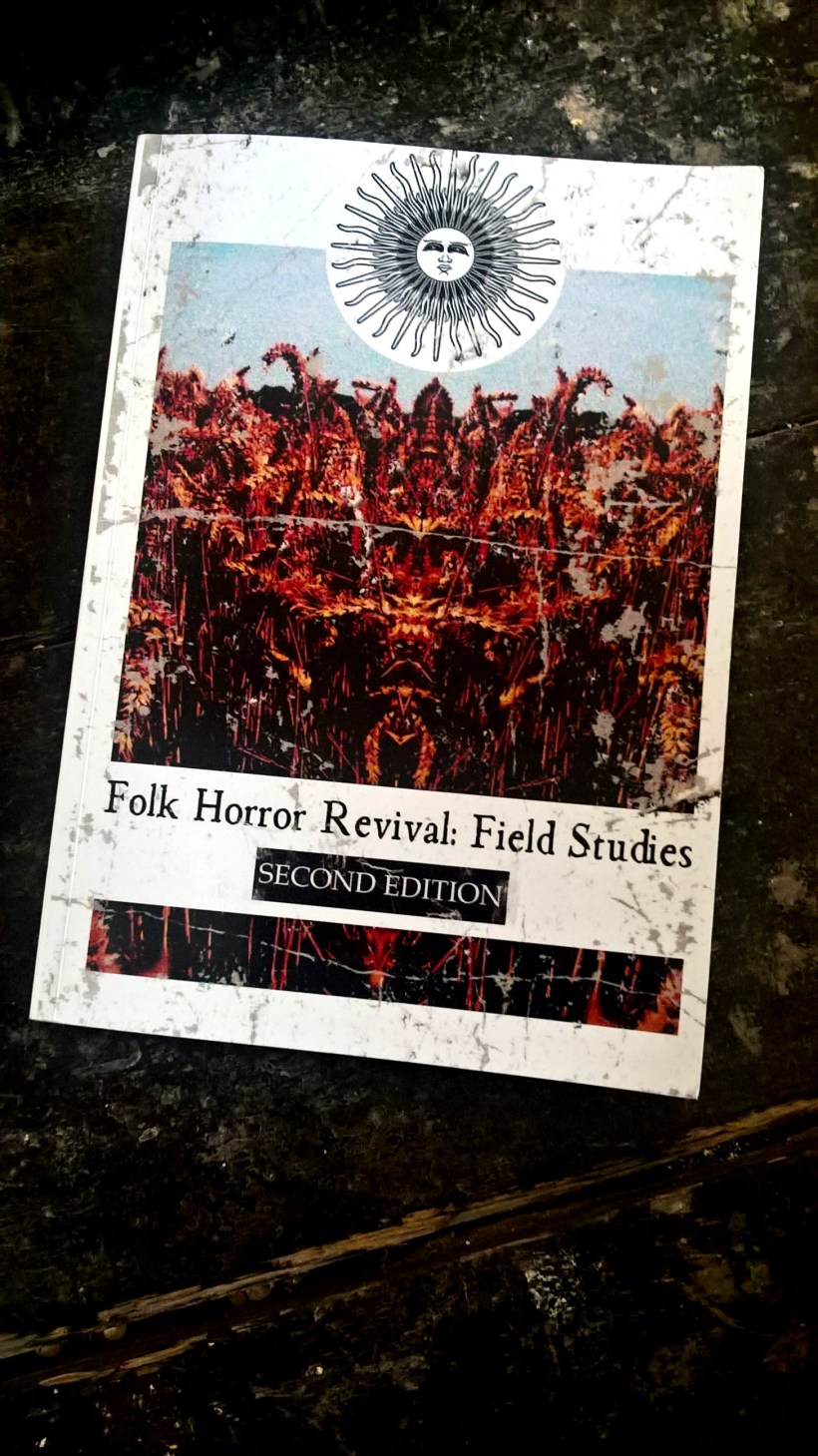
WP_20180803_15_44_12_Pro

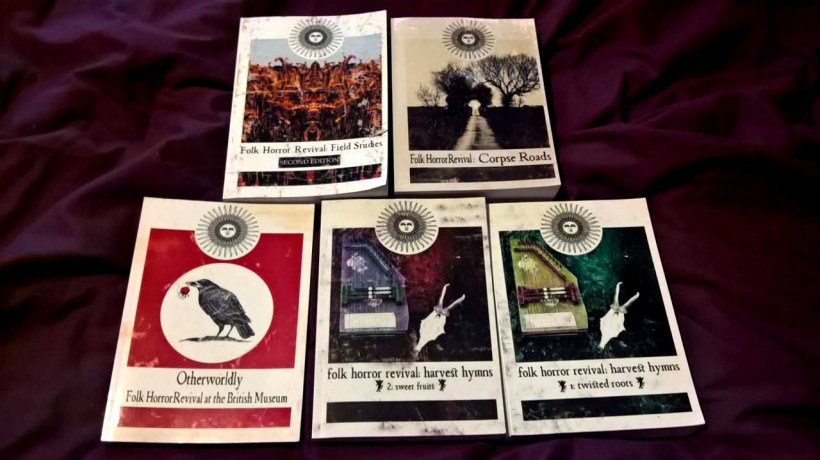
Presenting the  revised edition of the seminal tome Folk Horror Revival: Field Studies. A collection of essays, interviews and artwork by a host of talents exploring the weird fields of folk horror, urban wyrd and other strange edges. Contributors include Robin Hardy, Ronald Hutton, Alan Lee, Philip Pullman, Thomas Ligotti, Kim Newman, Adam Scovell, Gary Lachman, Susan Cooper and a whole host of other intriguing and vastly talented souls. An indispensable companion for all explorers of the strange cinematic, televisual, literary and folkloric realms. This edition contains numerous extra interviews and essays as well as updating some information and presented with improved design. 100% of all sales profits of this book bought in our online Lulu store are charitably donated at quarterly intervals to The Wildlife Trusts.

http://www.lulu.com/shop/folk-horror-revival/folk-horror-revival-field-studies-second-edition/paperback/product-23557533.html

whplogbw

Save 10% on orders of Wyrd Harvest Press Books, plus free mail or 50% off ground shipping

Use Code: BOOKSHIP18

at checkout at – http://www.lulu.com/spotlight/andypaciorek

(change little flag at top of sales page to get your local currency)

Ends 6 August at 23:59

Corner of the eye … something is coming …

Untitled-3.jpg

What is this? … what is coming? …

Coming very soon from Wyrd Harvest Press … 21st Century Ghost Stories

An impressive anthology of new haunted fiction from a variety of award winning and upcoming writers. Edited by author Paul Guernsey and illustrated throughout by Andy Paciorek.

Available from 7th August 2018 …

NEGROES ANONYMOUS a


#FolkloreThursday ~ The Banshee, Bean-Nighe & the Gwrach-y-Rhibyn

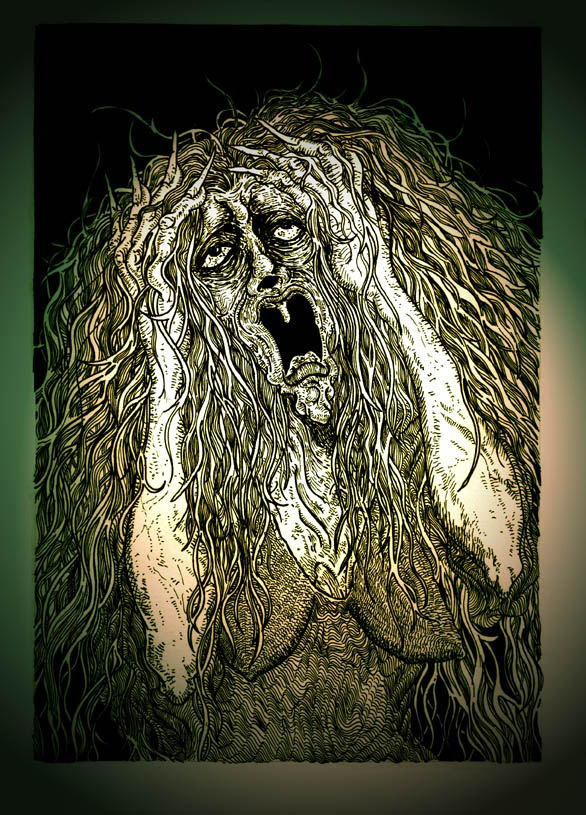
Presenting for Folklore Thursday a collection of strange entities from the Paciorek bestiary …
164 banshees+

The Banshee

Also known as: Beansidhe, Bean-Si, Benshee, Fairy Woman, Woman of the Hills, Bachuntas, Badbh-Chaointes, Cointeach, Wailers, The Keener, The One Who Keens, Mna-Sige, Mna-Sidhe, Cyhiraeth, Cyraeth, Cyoerrath, Cyhyraeth, The White Lady of Sorrows, The Weeper, The Skree, Caoineag, Caointeach, Fear-Sidh, Seinn-Bais, Death Music, Tolaeth, Ghost Sounds, Bocanachs, Bowa.

The wail of the Banshee (known as the Keening) is said to be heard either by the person whose death is imminent, or by someone closely associated to them. People with a strong Celtic bloodline are considered more likely to encounter a Banshee, and some old families may hold a peculiarly strong bond with one of these creatures. This is sometimes thought to indicate a distant Fay strain within their genes but others have suggested an earthier, more sinister reasons for the connection. The finger points at certain reputedly Banshee-ridden families with the accusation that one of their ancestors murdered a young lady, possibly a pregnant mistress or other similar unfortunate, and so it is believed that their descendants must carry a reminder of this shame for evermore. The shadow of this sin falls at the approach of their darkest hours and may be specifically regarded as being a Hateful Banshee. To those who have not heard the Banshee’s cries (and count themselves lucky for this), it is often imagined that this must be a loud, dreadful noise and sometimes it has been reported as such (usually in the cases of Hateful Banshees), but not always. Sometimes her Keening was described as being oddly melodic and strangely comforting, especially if heard by someone who was old and failing , had endured a long, discomforting illness or was of a family favoured by the Faeries.

165 bean-nighe+

The Bean-Nighe

Also known as: Night Women, Washer Women, Caoineag, Ban Nighechain, Nigheag-Na-H’ath, Washing Women, Little Washers by the Ford, Washers by the Banks, Washers of the Shroud, Washers of the Night, Night Washers, Cannerd Noz, Konnerez Noz.

The Bean-Nighe are generally encountered either sitting beside, or sometimes paddling in, remote streams and the shallows of rivers. Here they attend to their laundry, yet they are not conventional mortal women tending bucolic washing chores. A single glance at their hideous visage and the grim cloth they wring betwixt their fingers is more than enough to determine their anomalous character. The clothing that the Bean-Nighe is seen to wash is either the blood-drenched clothing of the observer, or the burial shroud that will consequently wrap their lifeless body. These creatures are said to be the souls of women who died whilst giving birth, doomed to remain on this earth either until Judgement Day or, as it is more frequently thought, until the day that they would otherwise have died. As a grim consequence of their fate, they are also aware of all the other people that will soon be visited by death and are sometimes reported as crooning a mournful dirge to themselves that recounts the names of all the ill fated.

166 gwrach-y-rhibyn+

The Gwrach-y-Rhibyn

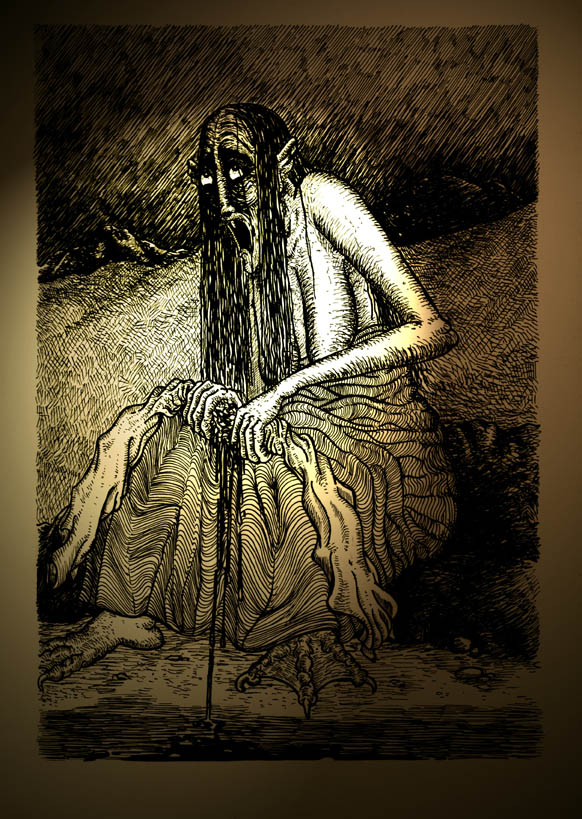
Also known as the Hag of the Dribble, Hag of the Mist and also sometimes as y Cyhiraeth.

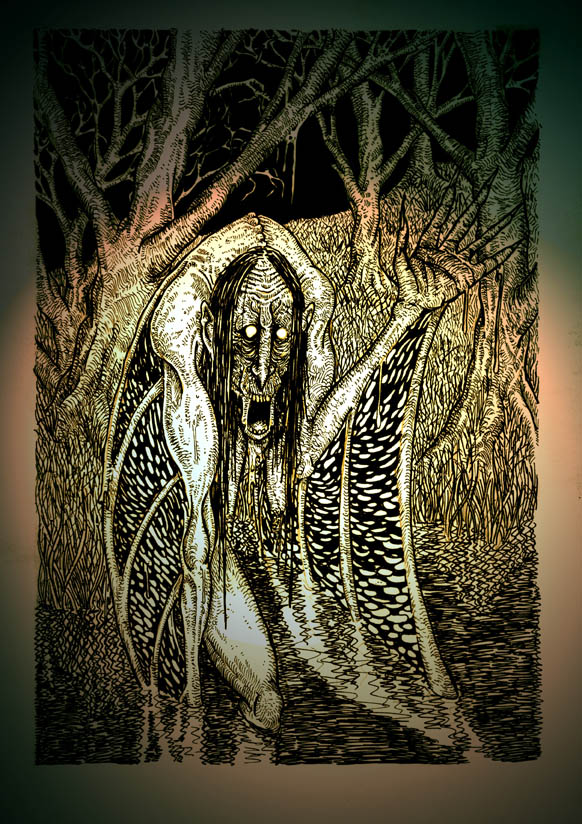
This Welsh portent of death may suddenly leap out of a water channel, but otherwise she will invisibly stalk her victims until they pass a crossroads or stream. Here she will become all too visible and audible, for in both instances her cries, like those of the Banshees and Cyraeths, are harrowing. If the person thus doomed to die (either the observer or someone they know) is a man the Gwrach-y-Rhibyn will holler “Fy ngwr! Fy ngwr!” (“My Husband! My Husband!”) but if a youth is to succumb, then she will cry “Fy mlentyn! Fy mlentyn bach!” (“My child! My little child!”) She is a hideous sight to behold, with her crooked back, hooked nose, long filthy hair and manic eyes. She is pinched and scrawny, yet her superficial mass likely betrays her true strength and vigour. The most frightfully inhuman of all her features, however, are her long thin arms, for not only do they end in dreadful talon-like hands, but black scaly wings also hang from these extremities. These bat-like appendages are thought capable of flight. Her negligible clothing is black and ragged.

All Text and Imagery © Andy Paciorek
For more on these subjects and many many others see the book
Strange Lands: A Field Guide to the Celtic Otherworld

cover_2

Available to purchase from – http://www.blurb.co.uk/user/andypaciorek

Free Shipping + 10% Discount on Folk Horror Revival books

37402472_10160618417995484_3847269899453857792_n.jpg

Free Shipping + 10% Discount off cover price on All Folk Horror Revival / Wyrd Harvest Press Books *

Use Code: BOOKSHIP18
at checkout at – http://www.lulu.com/spotlight/andypaciorek

*Offer Ends 23 July 2018 at 23:59

37610755_10160618423715484_1748936001763409920_n

100% of profits from FHR / Wyrd Harvest Press books sold in this store will be charitably donated at intervals to different environmental, wildlife and community projects undertaken by the Wildlife Trusts.

dozen

whplogbw
wyrd harvest logo