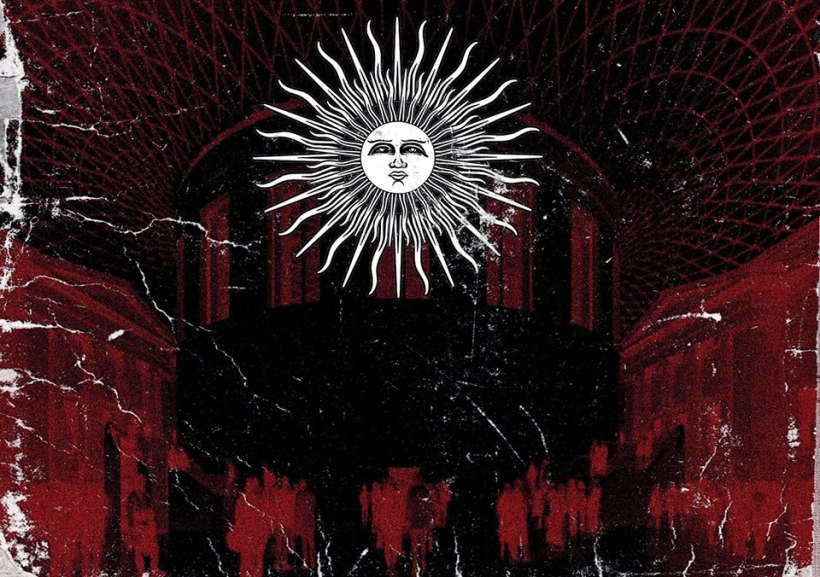
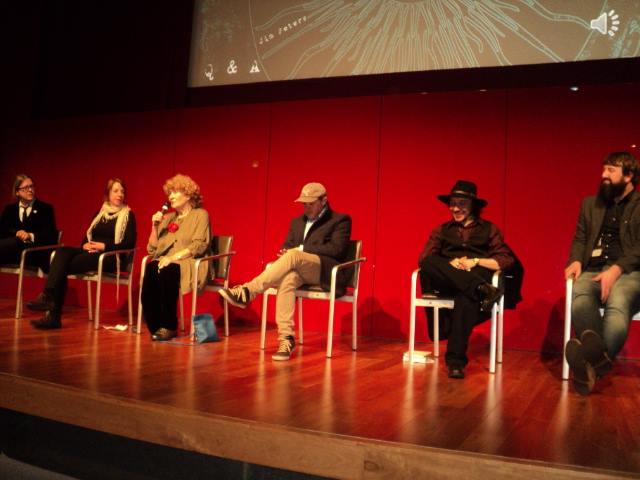
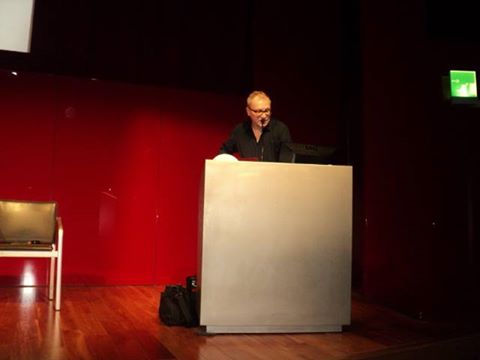
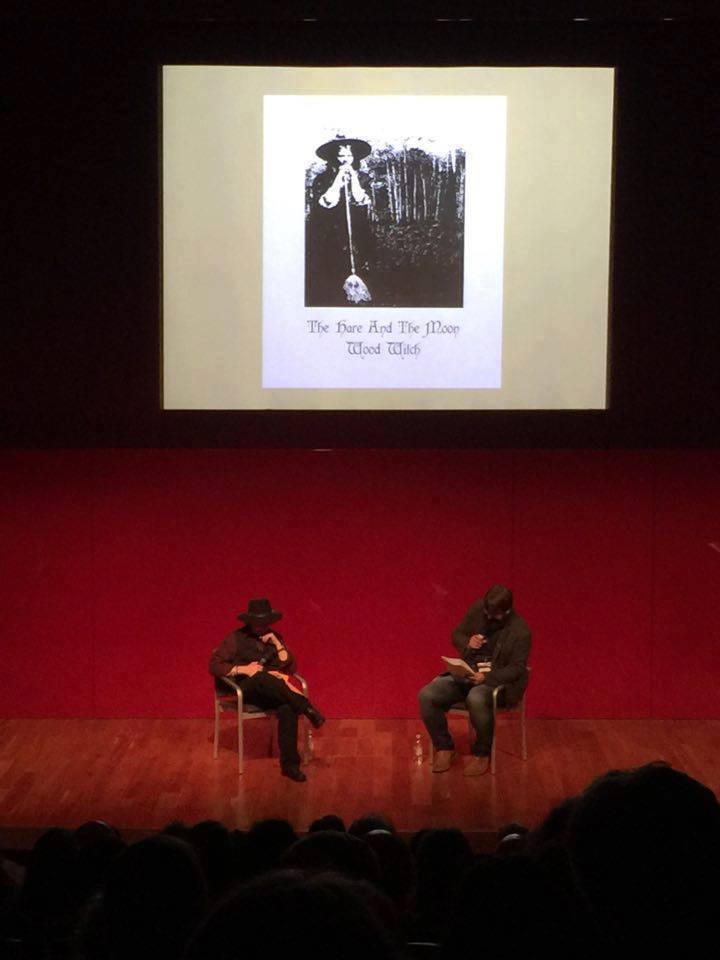
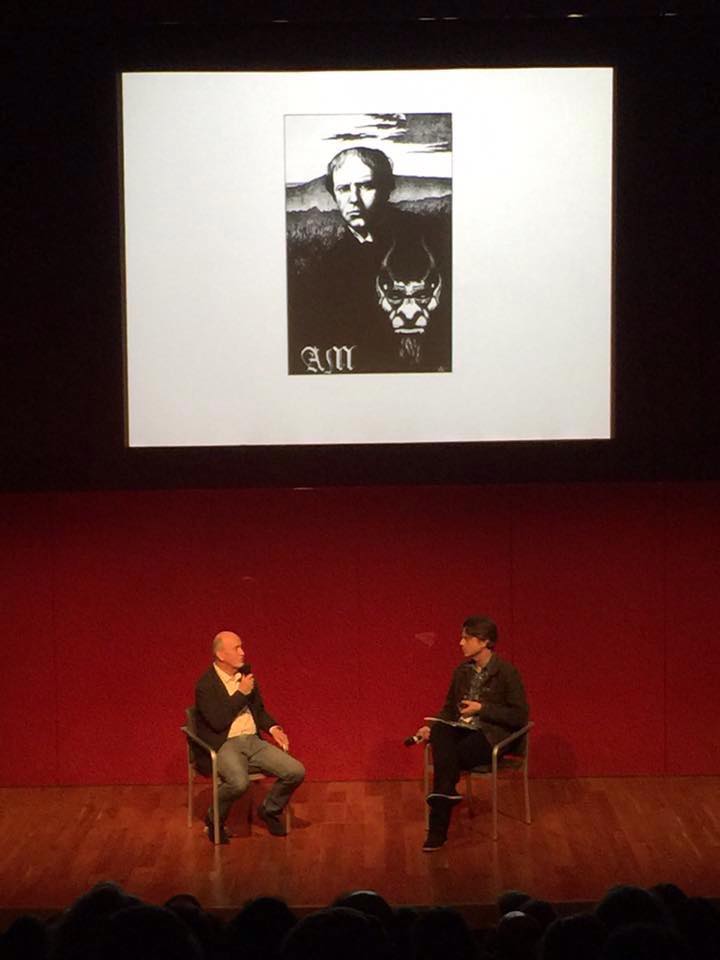
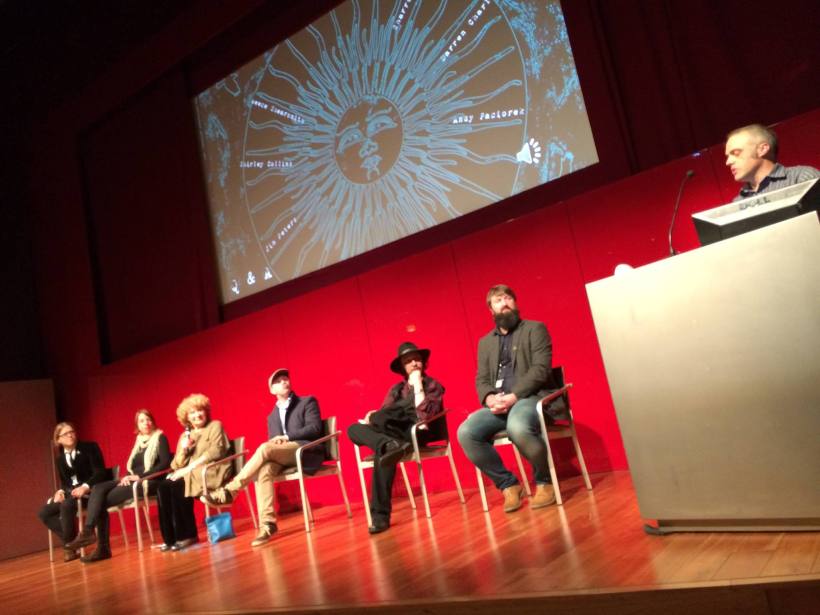
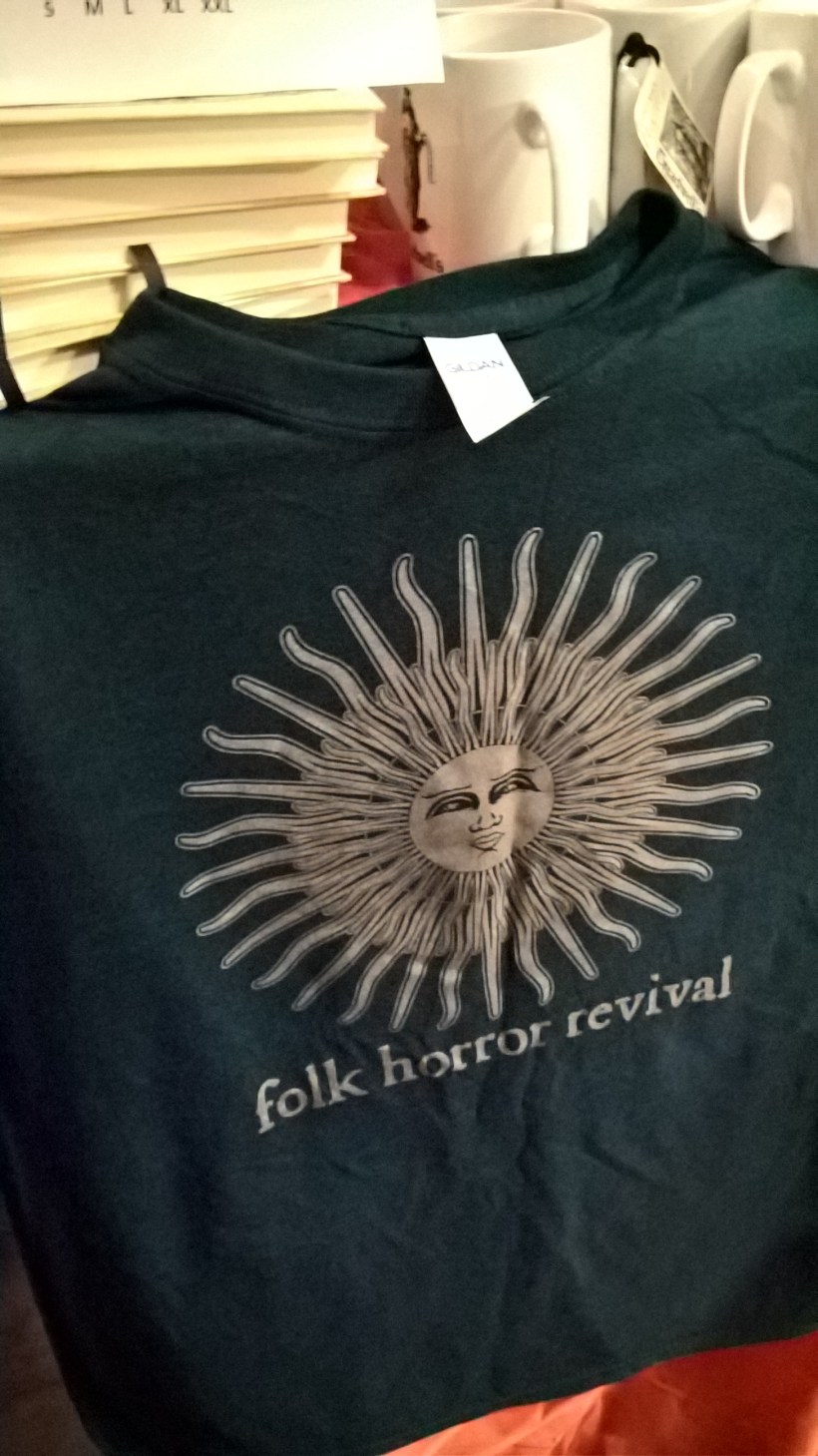
I would like to say a HUGE THANK YOU to Everyone who made the Folk Horror Revival British Museum weekend truly Otherworldly.
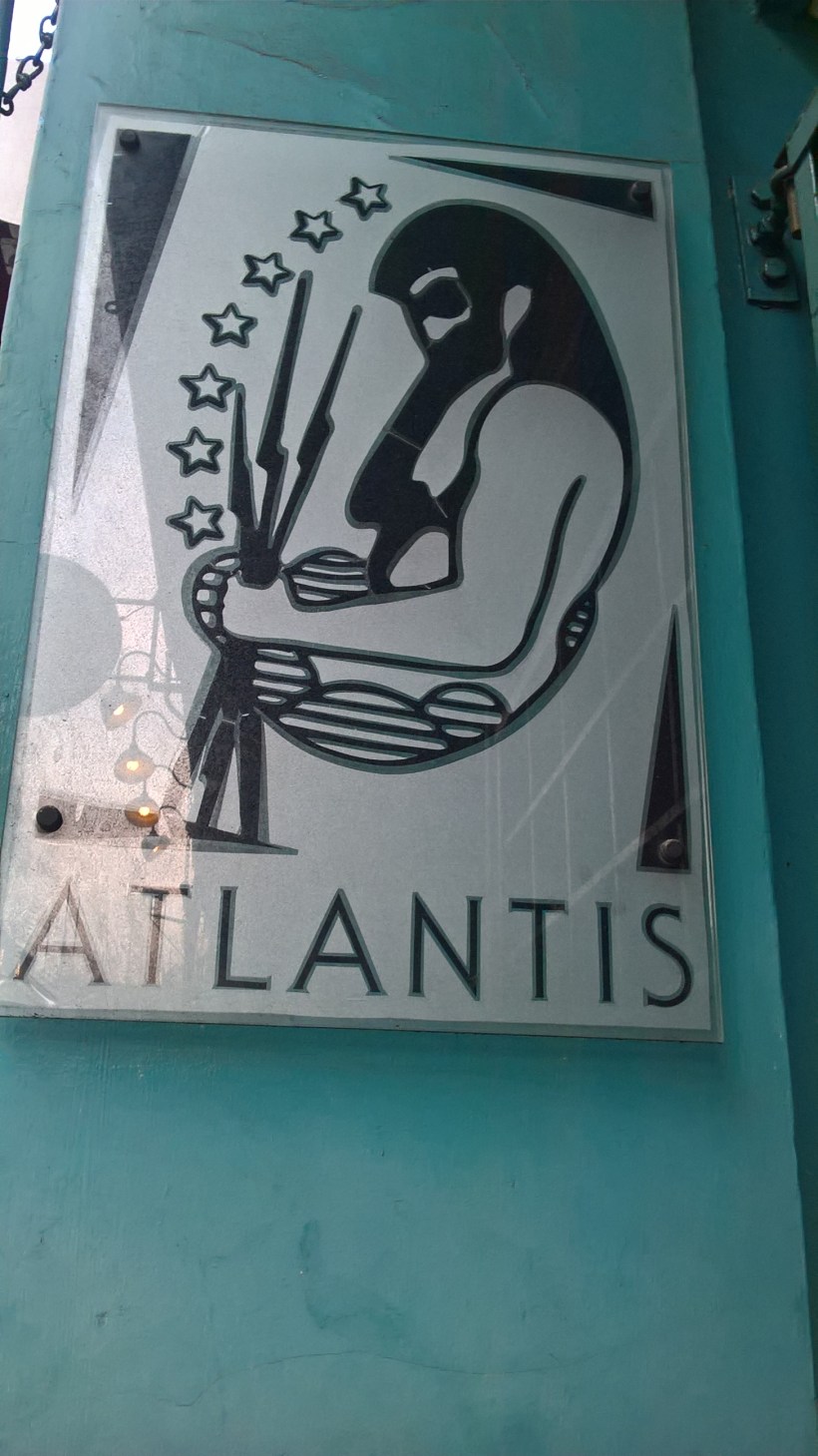
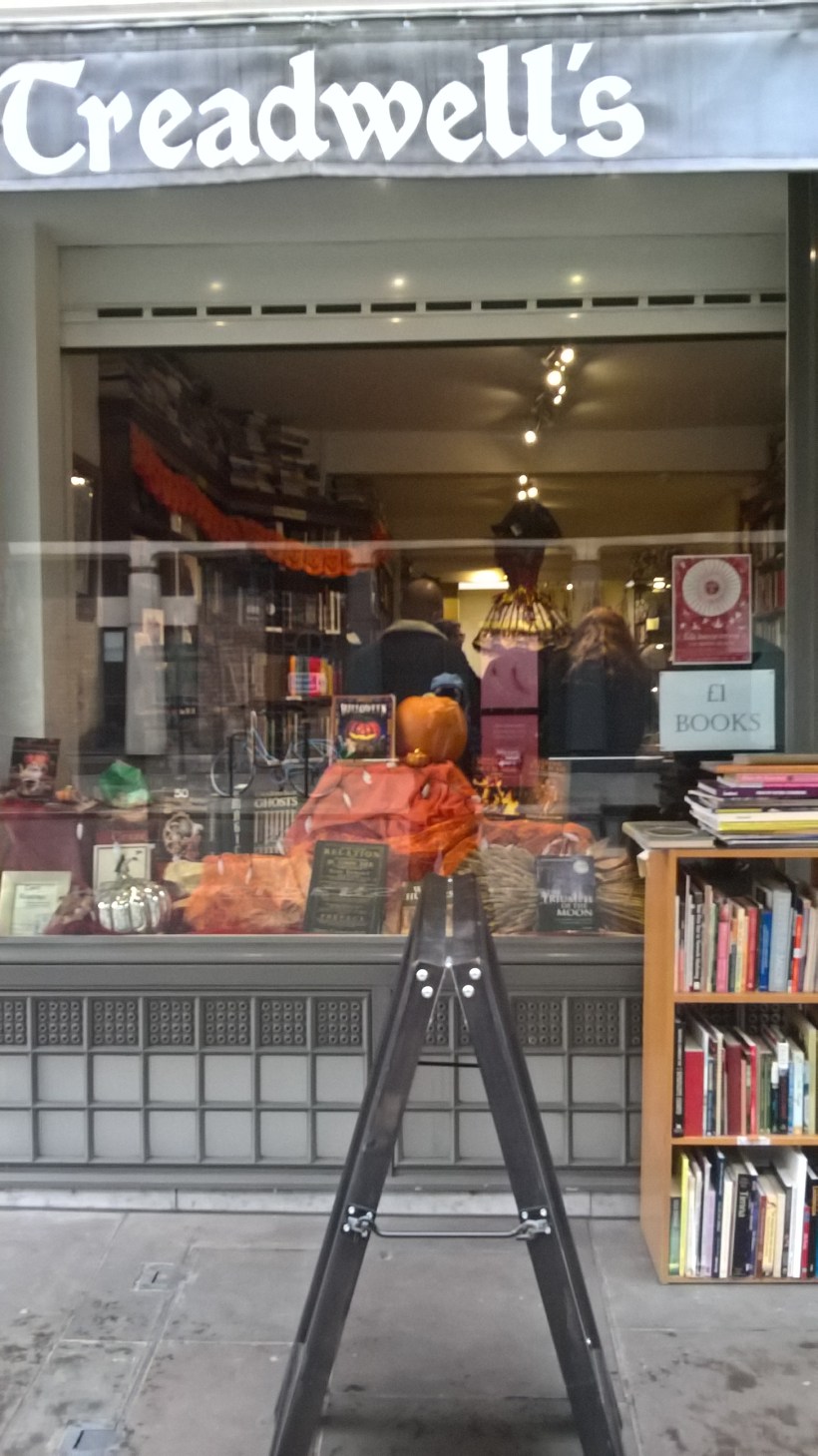
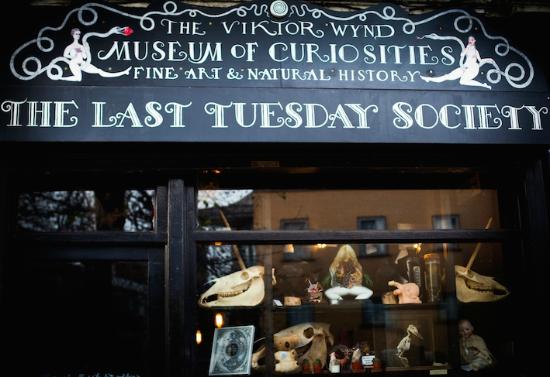
Firstly Immense gratitude goes to Jim Peters whose hard work on this event was incredible and immaculate. Thanks also to the fabulous work by our compere Chris Lambert, the administration work undertaken by all our team, those present at London and those who kept the group running in our absence. Thanks to the British Museum staff, Treadwell’s Books, The Atlantis Bookshop,and The Last Tuesday Society & The Viktor Wynd Museum of Curiosities for their great support and kindness. To our incredible speakers and guests and to all Revivalists that came along. We hope you enjoyed yourself.
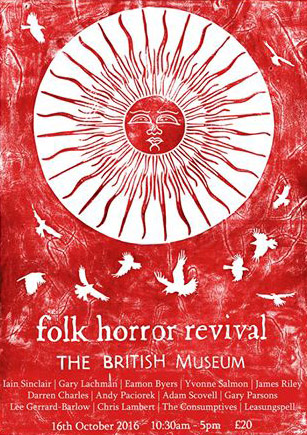
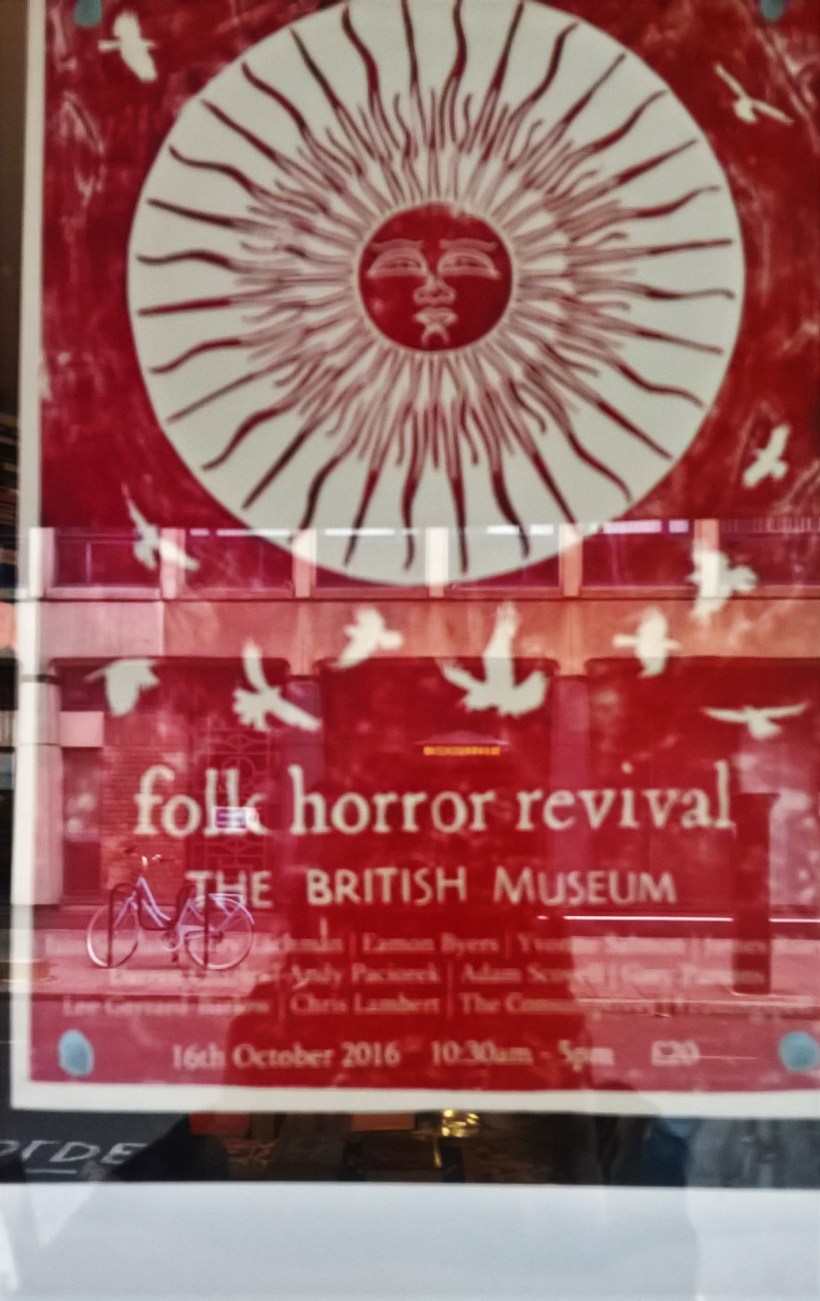
The first Folk Horror Revival event will be taking place at the British Museum, London on October 16th 2016, featuring talks, lectures, short films, poetry readings, museum tours and other wyrd and intriguing happenings.
Cult television programmes and films of the 1960s and 70s are inspiring a new generation of poets, writers, artists and musicians with their atmospheric themes of contemporary individuals interacting with a uniquely British world of ancient mythology and magic, often uncanny and unsettling.
This special event will feature lectures, film screenings, performances and gallery tours of featured objects in the Museum’s collection to explore themes of cultural rituals, earth mysteries, psychogeography and folklore. Come along and prepare to be scared!
Ticket details to be announced very shortly.
We are proud to reveal other additions to the line up – see also
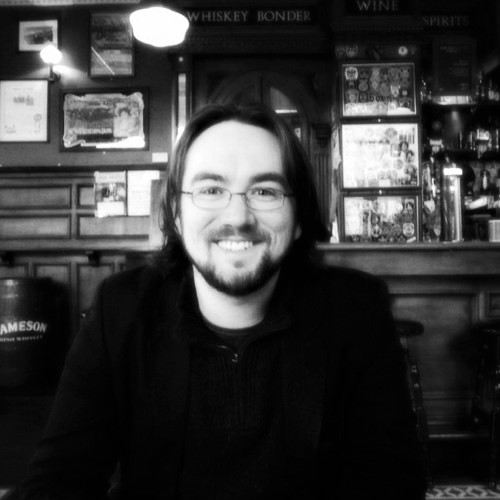
Eamon Byers completed his PhD at Queen’s University Belfast in 2014. His thesis explored the interaction between medievalism and folk music in English culture from the eighteenth century to the present day. Also in 2014, he co-organised ‘A Fiend in the Furrows: Perspectives on ‘Folk Horror’ in Literature, Film & Music’, the first conference dedicated to the academic study of folk horror.
He currently teaches English at Marymount International School London and continues to research and publish on the interactions between folk culture and medievalism in music, literature and politics.
The title of Eamon’s talk is: ‘The Ghost of Song: Folkmusic in the 21st Century’ where he will be looking at the influence of folk horror on contemporary folk, breaking down some hauntological examples and discussing sampling and the theoretical aspects of tradition and ancestry that goes along with modern folk.
In addition to speakers and other live performers we will also be screening some short films by talnted film makers. The first of the filmmakers to be revealed is Adam Scovell.
Adam is a writer and filmmaker currently based between Liverpool and London He has produced film and art criticism for over twenty publications including The Times and The Guardian, runs the Celluloid Wicker Man website and has had work screened at FACT, The Everyman Playhouse, Hackney Picturehouse and Manchester Art Gallery.
Adam is the creator of the intriguing and impressive blog Celluloid Wicker Man
The title of Adam’s talk is Analogue Hauntings – The Ghost In The Grain Why do ghosts manifest so effectively through analogue technology? Whether through tapes made of stone, through signal mechanisms on old Dickensian railway stations or through alchemically enhanced binoculars, ghosts have a tendency to achieve corporeality most powerfully in fictional media through pre-digital technologies. In this mixture of presentation and screenings, this phenomena will be examined within the contexts of hauntology, Nigel Kneale, M.R. James and filmic practice on super-8 celluloid.
Screenings : • Salthouse Marshes (2015) (7:16) – Super-8 ghost stories inspired by Algernon Blackwood’s The Willows.
• No Diggin’ Here (2016) (3:07) – Super-8 essay film looking at Aldeburgh in the context of M.R. James’ A Warning To The Curious with a specially composed score by Laura Cannell. (Preview screening)
More speakers and ticket details to be revealed soon. Follow us on Facebook
It’s hard to imagine what a non-native would make of this curious and densely-layered film which manages, quite wonderfully, to be both near-unintelligible and yet to also give voice to the subtle conflicts that lie at the heart of the English countryside, of the English soul.
It’s hard to imagine what a non-native would make of this curious and densely-layered film which manages, quite wonderfully, to be both near-unintelligible and yet to also give voice to the subtle conflicts that lie at the heart of the English countryside, of the English soul.
Taking as its ostensible plot the day-dreams and mutterings of an elderly man who spends his days cycling back and forth from his housing-estate home to a Sussex country graveyard where he ineffectually clips the grass around the graves with hand shears, Gladwell’s film builds contrast and juxtaposition until the viewer is almost giddy. Even this simple introduction holds multiple layers – the box-like boredom of the estate’s modern homes sits in contrast to the individually-named and hand-crafted gravestones, the old man cycling on a dual carriageway causes the modern cars to swerve and slow – but it is the quieter contrasts that make the film what it is; tarmac and woodland paths, handpainted signs and plastic hoardings, the warm-eyed father’s wedding speech and the councillor’s exhortation to action.
As our near-silent narrator patrols the graveyard, talking quietly of those lying under the soil, he almost literally invokes the past in one of the films many striking scenes. Soil and gravel push upwards to let the village’s past residents emerge once more, not as zombies or ghosts but as waking-dreams that laugh and smile at each other as they are conjured from the old man’s memories. From here, we are taken on a journey through his recollections of life gone by and the film’s core message of the past fighting an ever-losing battle against the modern; a young man (one we slowly realise is an earlier version of the old gardener) marries his young bride, a team of wheelwrights make a cartwheel, fields of grain are scythed into sheaves and the slow procession of days continues. This is interspersed with a sub-plot of the past being erased as modern-day earthmovers and diggers sweep the fields away, razed clean to make way for yet more housing estates, yet more boxes.
All of this could quite easily become a twee, rose-tinted piece of pastoral aggrandisement, where bucolic bumpkins go about their simple lives with an ignorant joy. Thankfully, this is not the case and Gladwell uses a brief but unsettling montage of sexual violence – shocking even now so who knows what effect it had in the 70s – to show not only the visceral side of the past but also to let us reflect on the unthinking rape that the modern world performs on itself as it plucks up virgin forest, ploughs fertile fields into barren concrete.
In one scene, the old man parks his bike and stands before one of the giant earthmoving machines. Looking for all the world like a peasant facing down the livestock-devouring wolf, or even the tax-extorting baron, he stands and flings a clod of earth at its man-high wheel. It is a feeble gesture, and an ineffectual one, but it is a stand he has to make and, as an old man fading from the world, it is his final stand.
Viewers wanting a return to the horror of films like ‘The Wicker Man’ are likely to be inevitably disappointed but ‘Requiem For A Village’ provides that true horror-of-the-folk in that their ways, the ways they have lived their lives, are no longer viable.
As an aside, Gladwell’s 1964 short work ‘An Untitled Film’ is an excellent companion piece to ‘Requiem For A Village’ and is included as an extra on the BFI DVD. Filmed in slo-mo black & white and using a hauntingly experimental soundtrack, ‘An Untitled Film’ makes the simple act of building a bonfire almost infernal and the killing of a chicken into something horribly elongated. A child leers out from behind tree branches, perhaps in horror or delight. It preludes the daily-routine-as-horror of Bela Tarr’s ‘The Turin Horse‘ by some decades and performs the same function with a subtlety that is startling.
The Folk Horror Revival YouTube channel is a selection of group-curated playlists, containing films, TV programmes and documentary channels relevant to the group’s aesthetic. Content for these playlists is generated from submissions and discussion on the Folk Horror Revival Facebook group and from personal researches by the group’s admins.
The Folk Horror Revival YouTube channel is a selection of group-curated playlists, containing films, TV programmes and documentary channels relevant to the group’s aesthetic. Content for these playlists is generated from submissions and discussion on the Folk Horror Revival Facebook group and from personal researches by the group’s admins.
Due to the nature of YouTube, some content may be removed by the uploader or by YouTube themselves without notice. Equally, some content may not be available in your location.
Please feel to use the comments below to suggest anything you’d like to see added to the playlists.





 Folk Horror Revival & Urban Wyrd Project ⨘