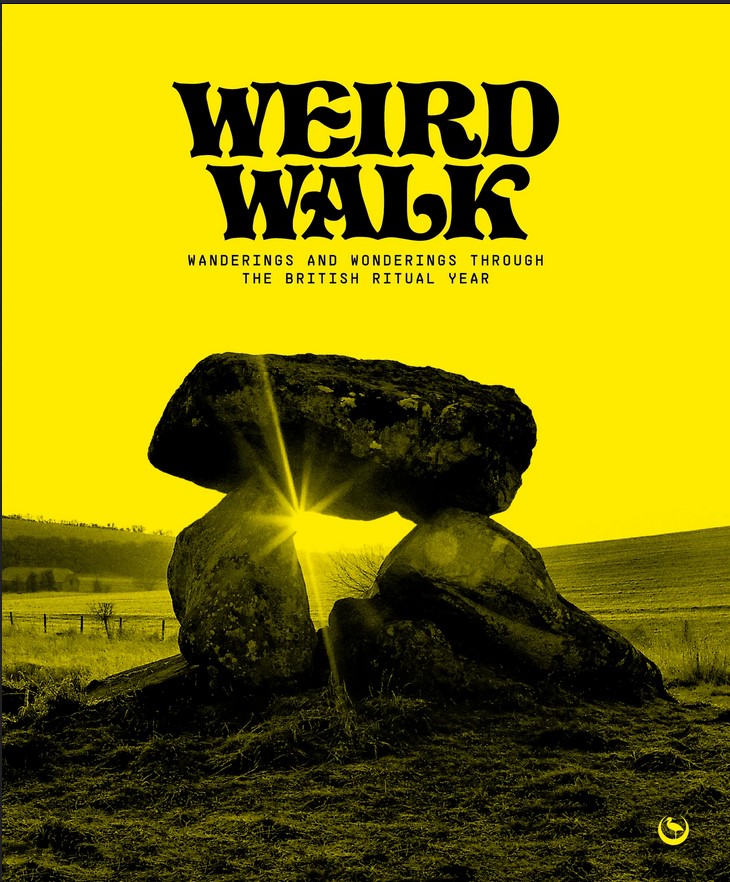
The Astral Geographic and Weird Walk: Wanderings and Wonderings Through The British Ritual Year – Book Reviews

Watkins publishing have added to the world of Fortean travel-guides with 2 titles aimed to whet the wanderlust of wyrd voyagers. From the pen of Andy Sharp – musician, wordsmith and designator of the English Heretic black plaques (awarded to the strange denizens and dwellings that English Heritage overlooked) comes The Astral Geographic. On my first encounter with reference books, I often flip through the index to get a taste of what’s to come. Here we find an itinerary that takes us from “Anal Intercourse” to the “Zong Massacre”. Better buckle up then as it sounds like a wild ride is in store. Many eclectic ports are found along the way – myriad souls encountered include JK Huysmans, Sun Ra, Felicien Rops, Madame Blavatsky, Moloch, Manson, the Son of Sam, Saint Mary and that dweller in many an abyss – the almost ubiquitous Aleister Crowley. Although a chapter is devoted to Crowley and Neuberg’s summoning of the demon Choronzon in the Algerian desert, for readers who may feel somewhat overwhelmed by the seemingly universal presence of Magick Uncle Fester in much of occulture literature, there are also many other interesting characters and scenarios encountered within the pages of this book. Other subjects include Atlantis, the alchemy of Fulcanelli, Hekate, folk curses, Viking witchcraft and much more besides.
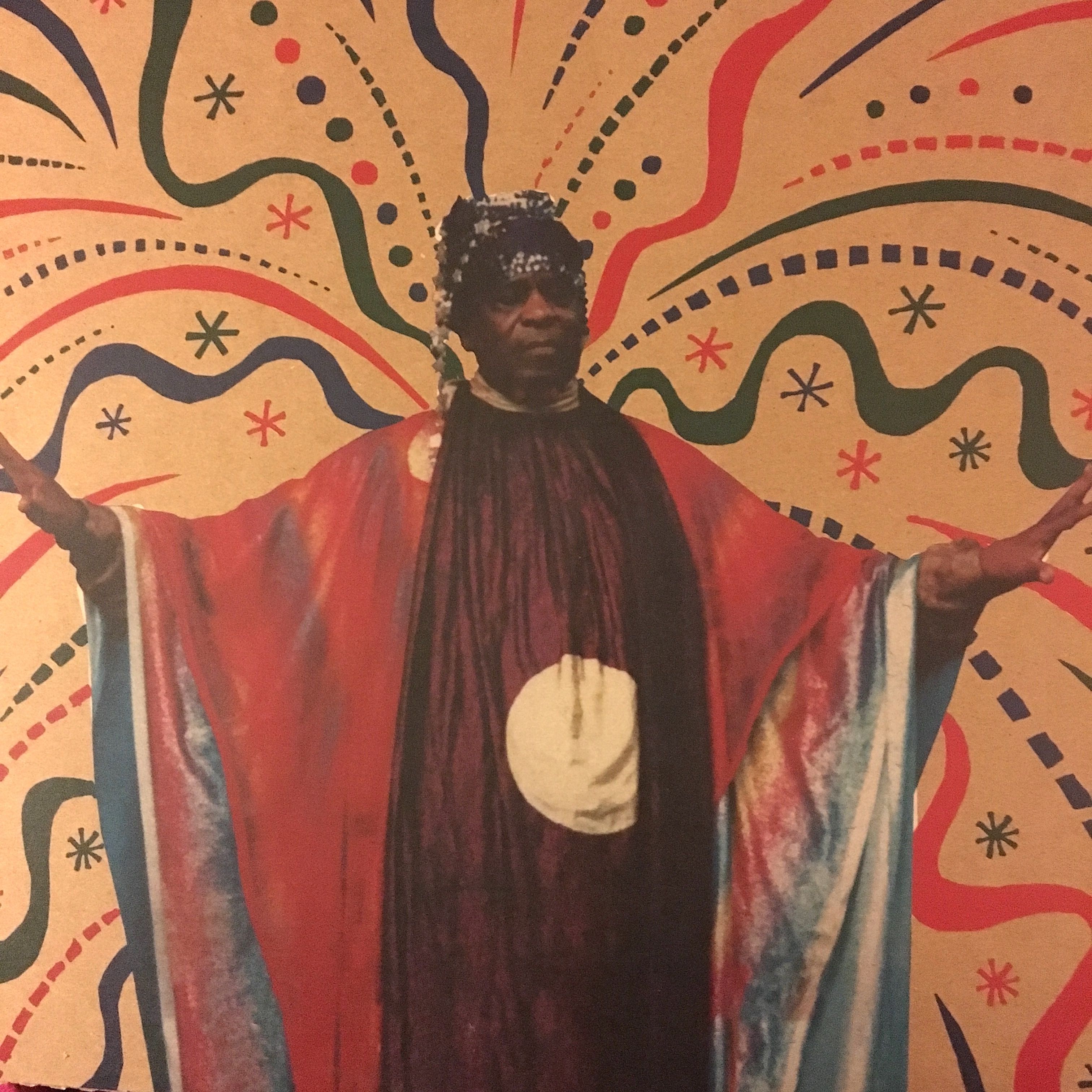

Sharp’s prose melds the informative and the poetic; although different in subject matter, in spirit it sometimes puts me in mind of the works of the naturalist J.A. Baker. Perhaps more accessible than his previous ‘The English Heretic Collection’ – ‘The Astral Geographic’ retains a targeted market as I suspect that mainstream TV producers may not send out Joanna Lumley or Bradley Walsh on a Saharan sodomy and ‘Satanism’ safari. Both this book and Weird Walk could however prove good ground for offbeat travel shows.
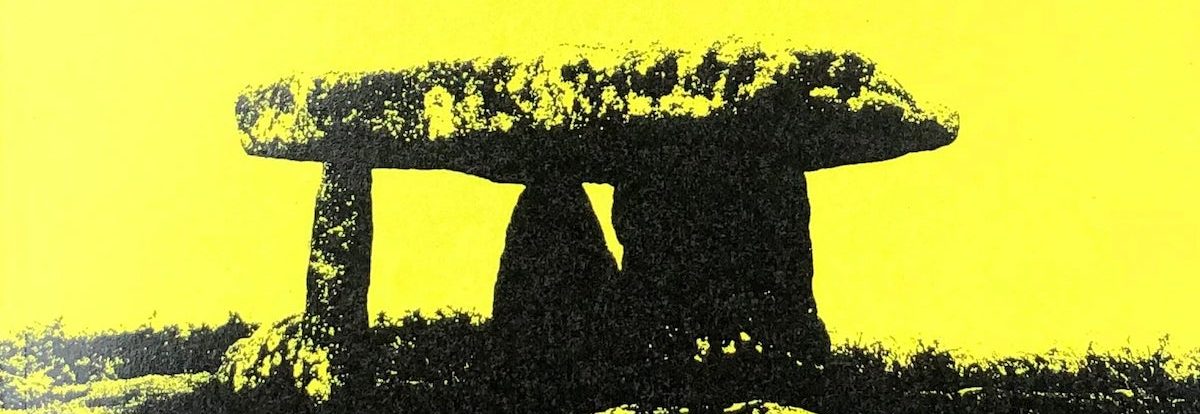
Weird Walk perambulates in a hinterland between Julian Cope’s ‘The Modern Antiquarian’ and Sara Hannant’s ‘Mummers, Maypoles & Milkmaids’ concentrating as it does on the British ritual year and megalithic monuments. It is more about rolling cheese than raising the dead. There is a little crossover with a chapter in The Astral Geographic in covering British standing stone’s relationship with short horror fiction and some Haunted Generation television shows, but Weird Walk focuses more attention on a variety of British sites – both ancient and follies of a more recent era. I particularly enjoyed Weird Walk’s commentary on EF Benson and Blakeney Point. Best remembered for his 1920’s socialite characters Mapp & Lucia, Benson’s supernatural stories have not quite enjoyed the renaissance bestowed upon M.R. James, Machen or Blackwood but are worth some attention. In its accessible psychogeographical approach to combining history, folklore, pop culture and artistic and literary inspiration, Weird Walk would also be of interest to fans of Edward Parnell’s Ghostland.

Weird Walk takes a seasonal approach and accompanies us from the Beltane fires of spring through summer’s Burryman Parade, from autumn’s Stag Dance of Abbot’s Bromley to the winter Wassailing in the company of the strange bone-horse the Mari Lwyd. Taking in many other ritual customs and enigmatic sites it illustrates that for the folk traveller Britain offers a lot of visiting opportunities the world round.

Both The Astral Geographic and Weird Walk bear an Occult Revival-revival aesthetic coupling Art Nouveauesque psychedelic title fonts, loose drawings, sun-bleached photography (Weird Walk particularly has some lovely, evocative shots) and a colour palette recalling the Gay Way primary school books, but both are equally substance as style. As someone once said “Man cannot live on bread alone” … or prana, manna or foyson… so quirkily both books occasionally include stopping off spots where the weary wanderer may partake of sustenance … though perhaps of the liquid victual variety. Whilst The Astral Geographic may point you in the direction of Absinthe, Weird Walk pours you a pint of real ale. They’re quite different books in some ways but are complimentary and provide interesting nuggets of diverse information to both the active and armchair travellers.

The Astral Geographic: The Watkins Guide to the Occult World
Andy Sharp
Watkins 2023
pb. Illus. index. 294pgs £20.00
ISBN 9781786786739


Weird Walk: Wanderings and Wonderings Through The British Ritual Year
Alex Hornsby, James Nicholls, Owen Tromans

Watkins 2023
hb. Illus. refs. Index. 288pgs. £19.99 ISBN 9781786786821

Reviewed by Andy Paciorek
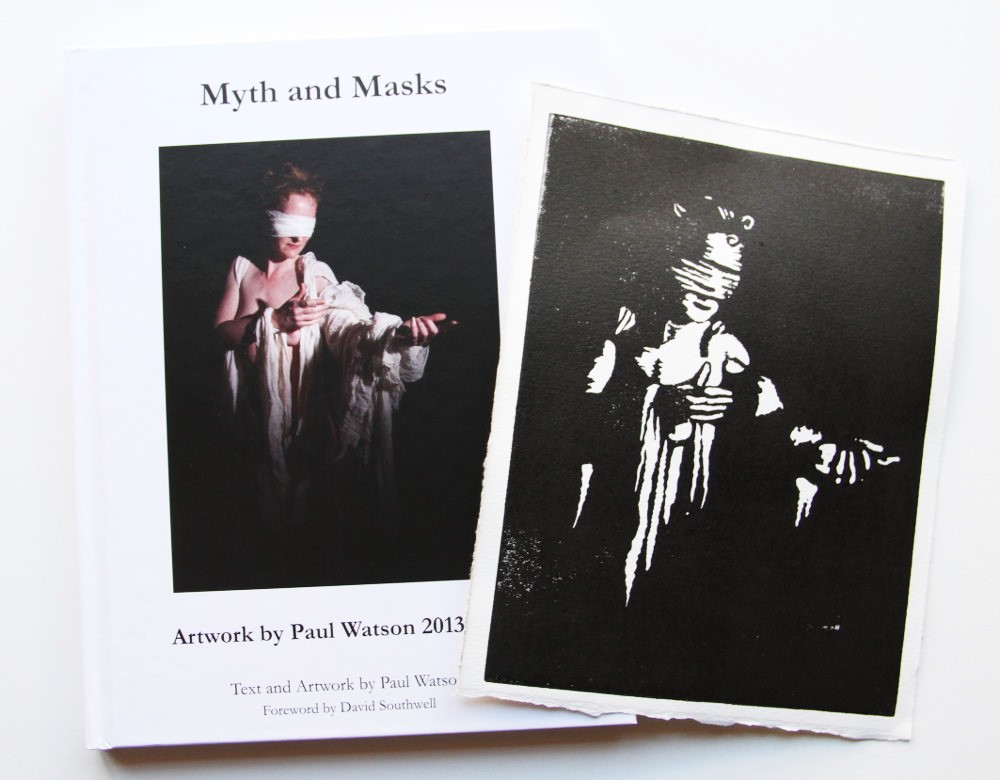
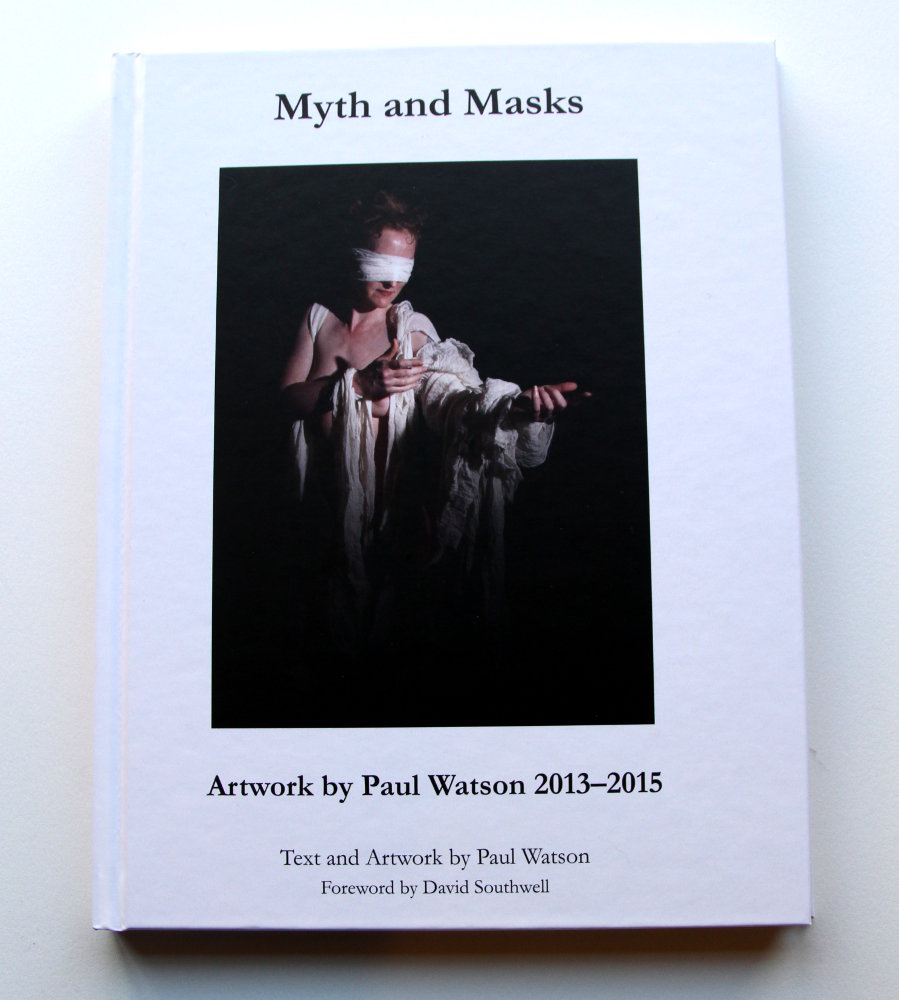
Book Review ~ Myth and Masks: Artwork by Paul Watson 2013 -2015

Myth and Masks: Artwork by Paul Watson 2013 -2015book06a

Myth and Masks: Artwork by Paul Watson 2013 -2015

book01

Myth and Masks by Paul Watson is an evocative work; described as ‘Shamanic’ in the foreword by David Southwell – a word he does not use lightly but it is a word that accurately describes this book. Myth and Masks is a transformative journey, a gateway into an Otherworld.
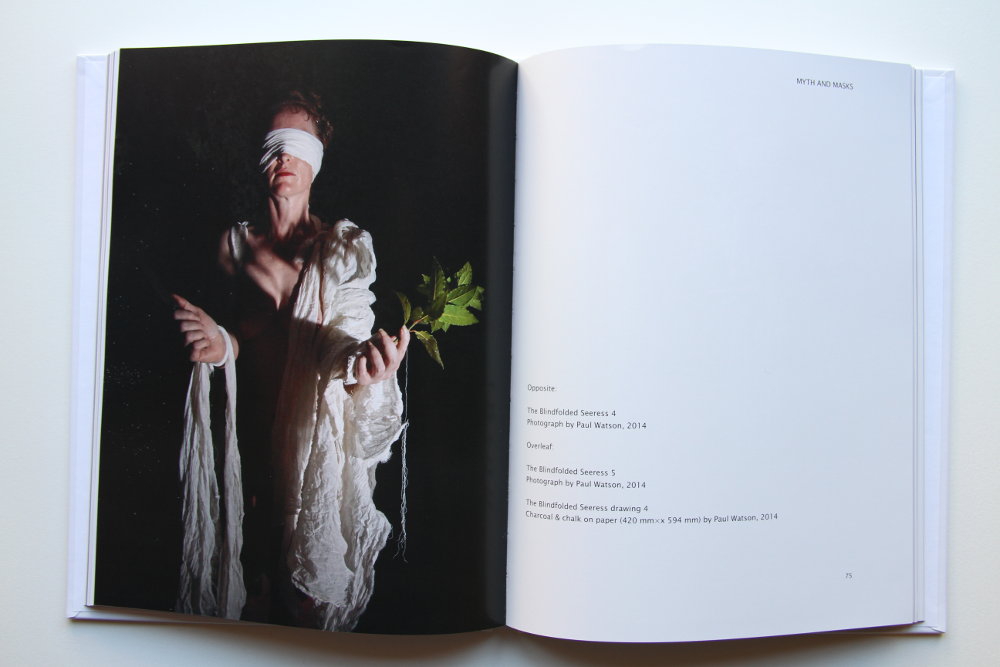
Within its pages are mainly photographs but also included are drawings and prints as well as writings by the artist about the inspiration, history and creative process of his work and subject matter. Intriguingly Watson questions whether the masks he creates, which feature so prominently in his work, are part of the art. He states seeing them more perhaps as preperation or costumes for his photography. For me looking inward at his work, the masks are both elements and subject matter of a larger work but I consider them also beautifully strange artworks in themselves.

In creating the masks, Watson was inspired to investigate the role, history and nature of masks more deeply. Gazing upon his masks, his photos and graphics, they tantalise the viewers’ eyes and impregnate their mind with questions – what do these masks represent? What do they reveal and what do they conceal?
book03
They are not mere costume – they are ritual, mythical, mystical. There is a theatrical narrative suggested in the still images. Stories dying to be told.
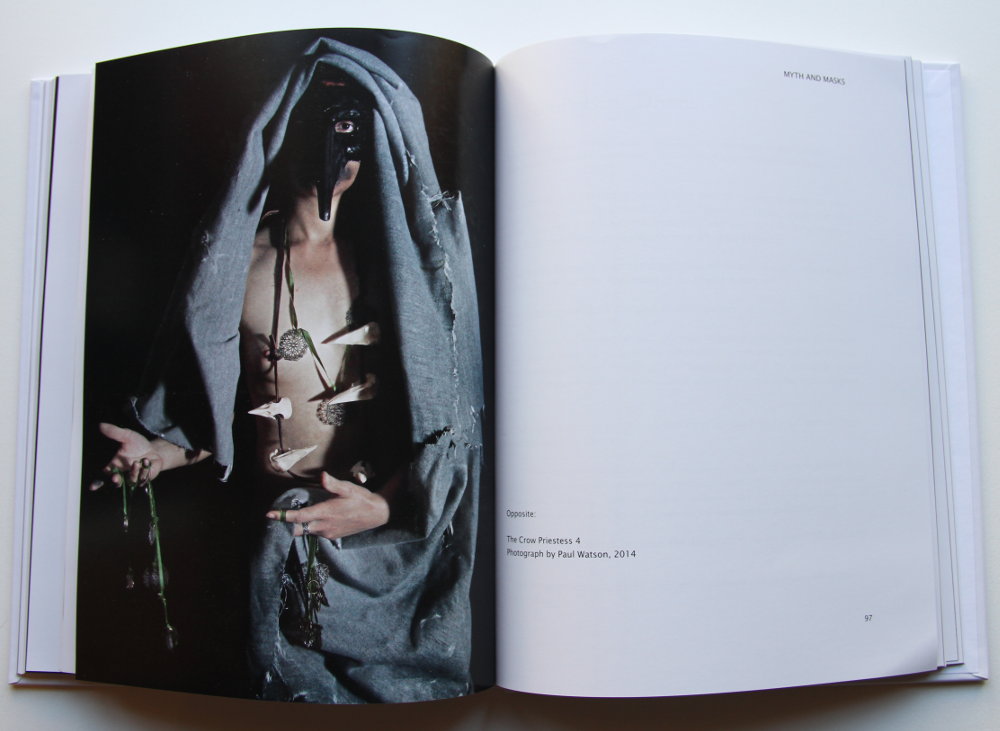
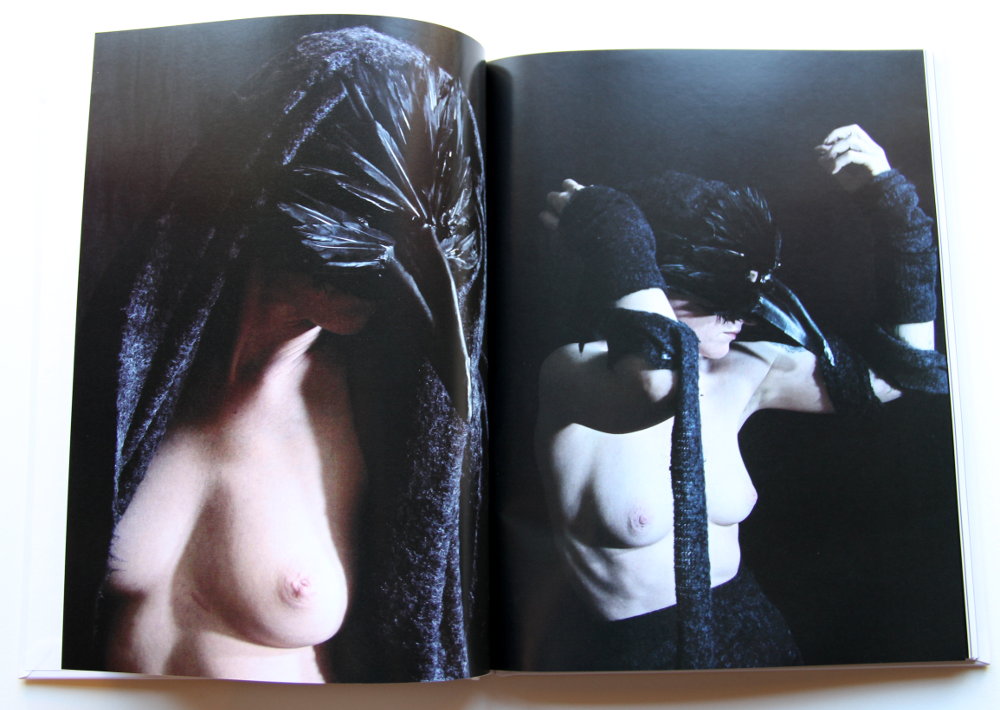
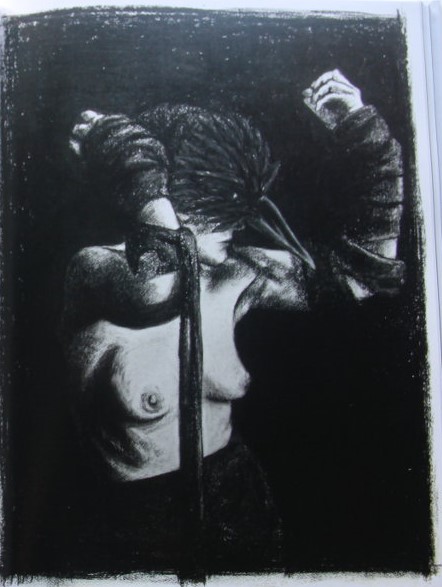
Dying … an apt word, for within these book pages we find the Badb Catha, the Death Mask and the Crow. The imagery of the crow goddess as rendered by Watson is reminiscent of the Plague Doctor masks of medieval times; but it is not confined to an isolated historical pestilence but is an eternal archetype. The Crow – devourer of carrion, a memento mori ~ a reflection of death in life.
book04

By placing the masks upon models, Watson puts life into death; the empty sockets of the mask are given a glint of life in some images but in others they eyes remain hidden, hinting at greater mysteries.

book10

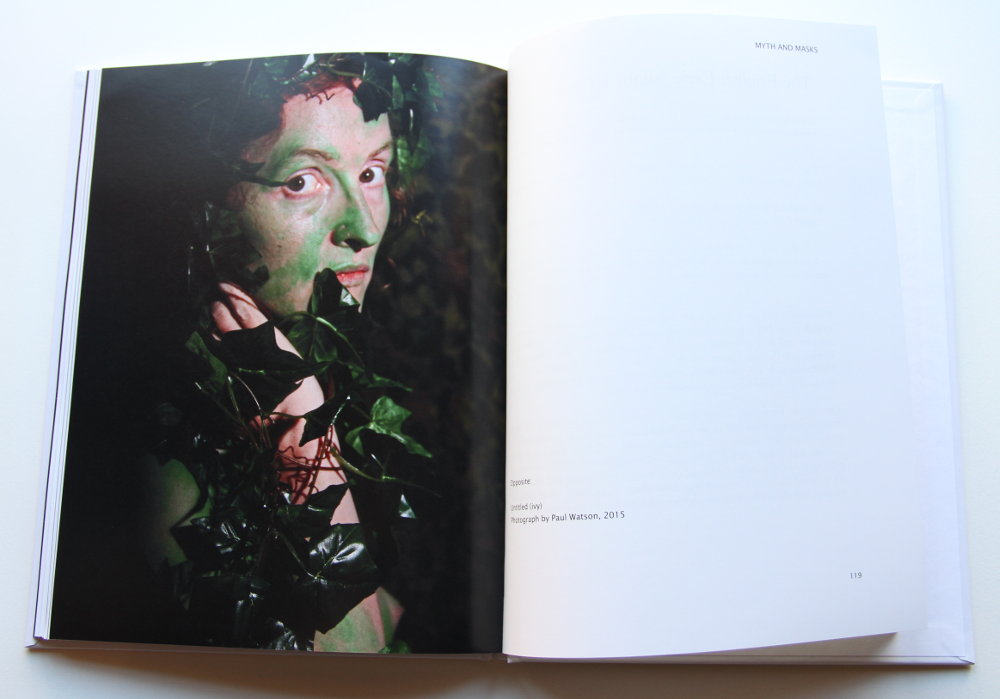
Life and death are intertwined as revealed in the Ivy Mask. Ivy is an evergreen plant, a reminder that life continues through the greatest adversities but it also reminds us of its presence in tumbledown graveyards or clinging to the crumbling ruins of abandoned weather-beaten buildings. It speaks of life beyond death.
There is perhaps an element of sex that buds beneath the surface in some images also. The nudity is not overtly erotic in the imagery. It is not the bodies perhaps here that draws the carnal aspect of the mind in but the masks. There can be something enthralling, oddly sinister but alluring, something fetishistic too about masks. Sex and Death frequently go hand in hand. In the realm of folk horror, death has been portrayed several times as an act of fertility and therefore rebirth or new or transformed life.
book08

We look at the masks and they gaze back at us with whispers of life, death, rebirth and of change. The element of change is of course integral to masks; they change the appearance of the wearer and as such change our perceptions of them. Another chapter in Watson’s book deals with that archetypal mythic character – the Shapeshifter.
book05

Within his writings that accompany the imagery, Watson seamlessly draws in considerations of sources such as ancient myth, fairy tales, witchcraft, folk customs, hauntology and the ‘English Eerie’. Literary luminaries such as Robert Macfarlane, Marina Warner, Warren Ellis, Martin Shaw, Robert Holdstock and others take their place.

Visually and textually, Myth and Masks is an intriguing, evocative work and one that I recommend a place on the bookshelves of Folk Horror Revivalists.

book12


  • ISBN : 978-0-9934736-0-9
  • Pages: 128
  • Format: Hardback, high-quality litho-printed, sewn binding
  • Price: £24.99 exc. shipping – ONLY AVAILABLE FROM http://www.lazaruscorporation.co.uk/shop/38
  • Size: 252mm × 196mm (approx. 9.9ʺ × 7.7ʺ)
  • 28 colour plates, 3 b&w plates
  • Foreword by David Southwell (of Hookland Guide)
  • Each copy of this initial print-run of Myth and Masks comes with a free, hand-printed linoprint by Paul Watson of the Blindfolded Seeress, exclusive to this book.

    Myth and Masks: Artwork by Paul Watson 2013–2015 is a volume of Paul Watson’s artwork from 2013 to 2015, focusing mainly on photography but also including drawing and printmaking. The stark and dramatic images are complemented by an edited selection of his writings on myths, masks, and the “English Eerie”, previously published on his Artist’s Notebook blog during the course of creating these pieces of artwork.

    These selected pieces of Paul Watson’s artwork show his development of an intertwined host of primal characters, drawn from his imagination, but strongly influenced by the English landscape and the myths and legends that are embedded deeply within that landscape.

    The accompanying written pieces show the artist’s exploration of, and research into, the wider subject matter of what has become known as “the English Eerie” that runs in parallel with the creative process.

    What others have said:

    “The book takes the reader on a journey through the last two years of his work, touching on subjects as eclectic as the English eerie, folk-horror and psychogeography, with every stop in between. In addition to the beautiful colour plates of Paul’s work, the book includes several essays focusing on the inspiration behind his work along with ideas of myth and folklore, creating together an engrossing volume that will lead you to another world.”

    – Willow Winsham, FolkloreThursday website, 2016.

    “Highly recommended: a treat for the eyes and the imagination!”

    – Jane Talbot, author of The Faerie Thorn & Other Stories