Midsummer 18 – Charity Donation Poll

whplog 1.jpg

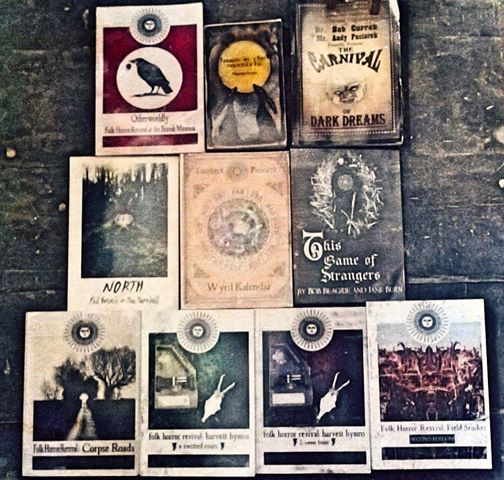
Midsummer doth cometh and again time to donate the sales profits from Wyrd Harvest Press / Folk Horror Revival books to our chosen charity The Wildlife Trusts.
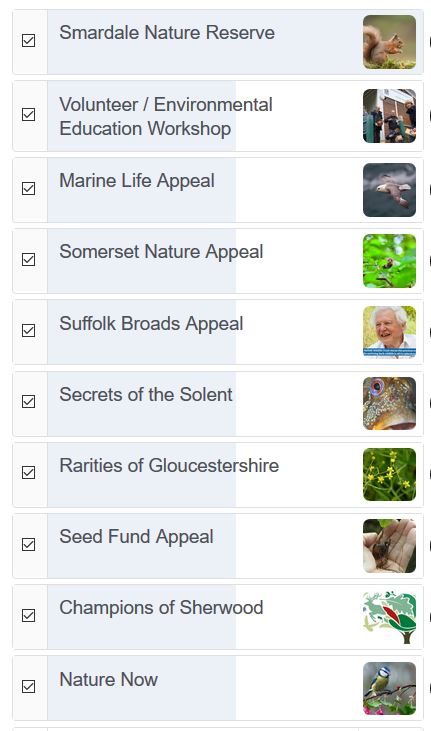
Please choose below which specific appeal you would like us to donate to this time. Thank You
Either comment below or join our Facebook Group and vote on and follow the poll there.
https://www.facebook.com/groups/folkhorror/

To buy our books – http://www.lulu.com/spotlight/andypaciorek
For further information on the environmental projects or to donate directly to a Wildlife Trust appeal –
https://www.wildlifetrusts.org/support-us/appeals

To contact us – email  – folkhorrorrevival@gmail.com
or
wyrdharvestpress@gmail.com

poll midsummer 18

35043483_10160465126395484_6157378592876527616_n

Art of The Beautiful~Grotesque

Andy Paciorek

NOW AVAILABLE from Andy Paciorek (Founder of the Folk Horror Revival project)
(With a Hung, Drawn and Quarter off cover price for one day only – hurry hurry to make a great saving 🙂 )

~ Art of the Beautiful~Grotesque ~
Over 300 Andy Paciorek drawings from various projects. Some old favourites and some previously unpublished.

Peripheral Visions – a collection of sketches from my rough books will follow in near future. 🙂

Buy today and save 25% off cover price* – use code BKSTRMADNESS at checkout at http://www.blurb.co.uk/…/8751446-the-art-of-the-beautiful-g…

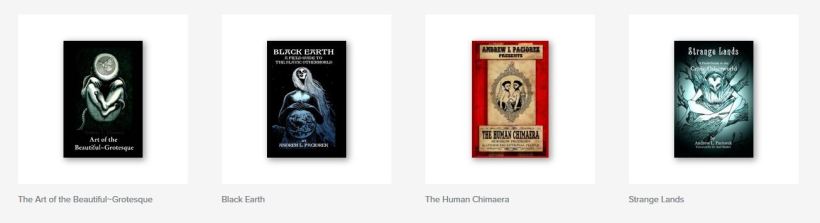
More books by Andy Paciorek ( which can also be added to Discount offer)  can be found here ~ http://www.blurb.co.uk/user/andypaciorek

*Offer valid through May 30, 2018 (11:59 p.m. local time). A 25% discount is applied toward your product total with no minimum or maximum order amount. This offer is good for five uses, and cannot be used for digital purchases or combined with volume discounts, custom orders, other promotional codes, gift cards or used for adjustments on previous orders.

Wyrd Harvest Press – Wildlife Trusts projects update

whplog
Since its creation in 2015, Wyrd Harvest Press -the publishing arm of Folk Horror Revival has charitably donated all of the profits from sales of its creations on its online bookshop  www.lulu.com/spotlight/andypaciorek
to various projects undertaken by the The Wildlife Trusts.

They have just been in touch to update us on the progress of some of those projects.


Northumberland Wildlife Trust

  1. £771.92 for Living Seas Appeal.  The total amount raised on this appeal was £7,745.17 (between July 2014 and last donation on June 2016). The appeal has concluded, with an appeal for further funding for a new marine project possibly coming soon. This project has focussed primarily on education and awareness of how amazing our living seas in the north of England are and how people can discover more about them, and support them going forward.


  1. £771.92 for Red Squirrel conservation work. This is an ongoing project badged as RSNE (Red Squirrels Northern England). It, along with numerous other work by The Wildlife Trusts to preserve Red Squirrel populations, is a successful project with promising results in latter years regarding the actual number of reds. As well as the important conservation work carried out by the Trust and partners, it also encourages people to support the project by reporting Red Squirrel sightings in their local area.  In the financial year 2017/18, Northumberland Wildlife Trust received approximately £13,000 in donations towards the project.


Sheffield & Rotherham Wildlife Trust

We would like to send a thank you to Folk Horror Revival for their kind contribution to our Help the Hedgehog appeal last year.


A recent poll voted the hedgehog to be Britain’s most popular species with the public, but numbers of this once common animal have declined seriously in recent years due to the reduction of hedgerows, changes in agricultural practices and changes to suburban gardens and there are now thought to be less than a million left in the UK.


Our campaign was launched by renowned wildlife expert and hedgehog fan Hugh Warwick and successfully delivered several hedgehog-focused initiatives including some habitat work, restoring hedgerows and urban woodland; raising awareness among gardeners of the benefits they derive from hedgehogs and how to encourage them; installing hedgehog-friendly fencing at one of our nature reserves (with gaps underneath to allow hedgehogs in and out) and a citizen science project to spot and record hedgehogs.


Below a SRWT ecologist is setting a hedgehog tunnel to record the nocturnal wanderings of an urban hedgehog – basically a tunnel containing an ink pad and a sheet of paper. And on the right, what was found the following morning!

Picture1Picture2

Hampshire & Isle of Wight Wildlife Trust

Thank you for your support of our Pollinators Appeal in 2016. This appeal was successfully concluded and the funds raised were used to support a variety of work aimed at protecting the habitats needed by these essential insects. For example:

  • We have been working with a local landowner to convert arable land to a wildflower meadow to provide additional nectar sources for bees and other insects.
  • We are campaigning for an outright ban on harmful pesticides (particularly neonicotinoids) which have been shown to disorientate and confuse bees seeking food.
  • We now manage over 50 nature reserves, including meadows, heathland and downland, all part of the essential mix of habitats our landscape requires to support a wide range of insects and pollinators.
  • We hope to inspire others to support wildlife too. Simply planting bee-friendly flowers can support pollinators and can make a big difference even in a small space whether that’s a garden, allotment or window box.


Our current appeal has turned our attention to the protection of the marine environment. We are raising match funding for a Heritage Lottery Funded project called Secrets of the Solent. We want to vastly improve local awareness and appreciation for our seas and are looking to tackle and improve issues like plastic pollution and habitat damage. We will do this by working with local people and businesses in a variety of different ways. You can find out more here: http://www.hiwwt.org.uk/SecretsoftheSolent

Devon Wildlife Trust

The River Otter Beaver Trial crowdfunding appeal has concluded and raised just over £30,000 from more than 600 donors, which we feel is a fantastic result for the project. We are extremely grateful to Folk Horror Revival for their generous donation that formed part of this fundraising effort. Those donations helped to boost our other fundraising from individuals, corporate supporters, and charitable trusts – all of which have made a massive difference to the work with beavers, local landowners and communities. An overview of the project’s current status is given below, and please also see the photos attached.


  • The River Otter Beaver Trial (ROBT) is now about two-thirds through its five year duration, and is indicating that the return of beavers to the English landscape can be carried out successfully and with generally positive impacts on the communities and wildlife that occupy the valley.
  • The beaver population is in a healthy state and growing steadily, with approximately 26 beavers living in eight family groups. The number of territories suggests that the larger family groups have dispersed and separated, and young pairs are forming new territories. They are still causing relatively few conflicts, with those that occur being mitigated successfully using techniques widely used elsewhere. Landowners are constructive and open-minded in almost all cases, which enables techniques to be trialled and refined, and experience gained.
  • Public interest in the project and beaver ecology remains high. This is now a major element of the trial, which we believe helps to prepare the way for other projects in the future, locally and nationally. In total, since the start of the Trial we have given 170 presentations to approximately 10,700 people, an additional 40 guided walks along the River Otter to about 1,000 people, and a further 52 walks around the Enclosed Beaver Project in West Devon to around 500 people.
  • For more details, please see our website at www.devonwildlifetrust.org/river-otter-beavers.


Devon Wildlife Trust are also currently operating two other appeals:

  • The Devon Greater Horseshoe Bat project is making good progress with its aim of reversing the decline of this nationally threatened species, working with landowners and communities to create more bat-friendly habitat and raise awareness of the public can help Greater Horseshoes. See http://devonbatproject.org/ for more details.
  • The Freshwater Pearl Mussel project is a partnership project helping to conserve this rare and endangered species that is easily-overlooked, but vital species for our rivers’ health. The work involves a captive breeding programme that is showing promising results so far, as well as river restoration and engagement of local communities. See www.devonwildlifetrust.org/freshwater-pearl-mussel-project for more details.

On behalf of all my colleagues at these various Wildlife Trusts, thank you again for your wonderful support of these projects. There is such an incredible variety of critical work within this list that simply wouldn’t be possible without support such as yours.

Best wishes,Sam

 Sam Gee

Individual Giving Support Officer – The Wildlife Trusts
Thank You very much to all the Revivalists who have bought our books. Other great titles are in production / planning. Again we will continue to support the Wildlife Trusts through their sale.

To donate directly to the Trusts please visit here.
To buy our books please visit here.

Spring Solstice: Book Sales Donation 2018

Devenish Diary_Herdwick join Balwen_210116(4)
Happy Spring Equinox !!

To mark the season, Folk Horror Revival / Wyrd Harvest Press are again donating profits from our book sales to a Wildlife Trusts project.

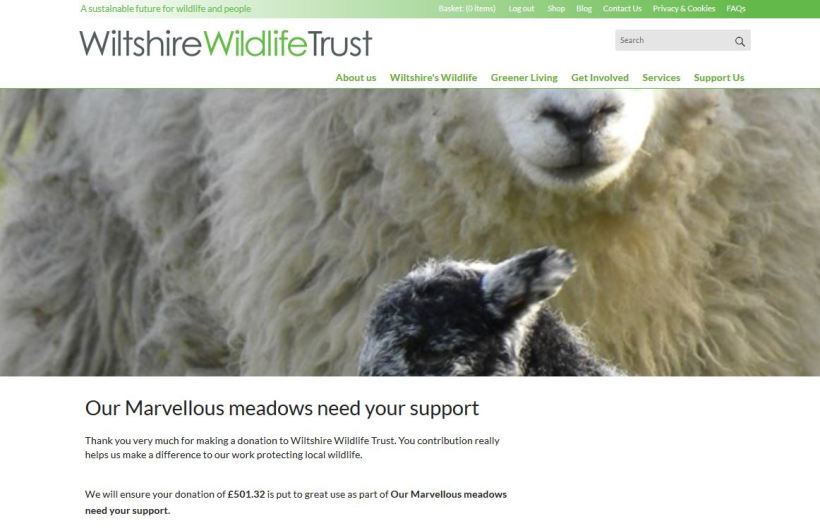
This time Wiltshire Wildlife Trusts Marvellous Meadows project has been voted the lucky recipient by members of our Facebook Group and receive  £501.32

spring 18

spring 18 poll

Our previous donations have been as follows –

total 15 to 17

Should you require further information of the donations email – folkhorrorrevival@gmail.com and / or contact The Wildlife Trusts

To make a donation directly to The Wildlife Trusts
http://www.wildlifetrusts.org/appeals

To buy our books – http://www.lulu.com/spotlight/andypaciorek

Thank You to all those who voted and especially to those who bought our books – Enjoy.

Return to the Fields …

29003938_10160108962715484_1825559863_n.jpg

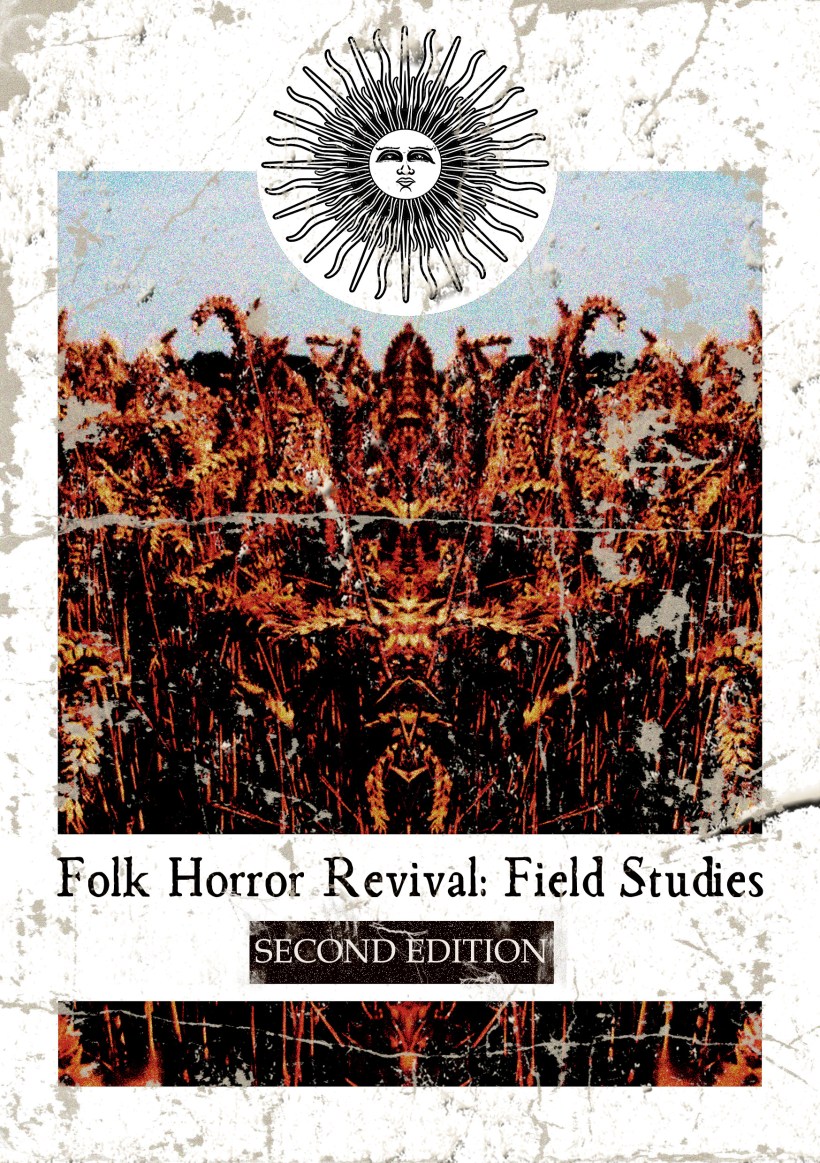
The Second Edition of Folk Horror Revival: Field Studies is now available from here

A new and revised edition of the seminal tome Folk Horror Revival: Field Studies. A collection of essays, interviews and artwork by a host of talents exploring the weird fields of folk horror, urban wyrd and other strange edges. Contributors include Robin Hardy, Ronald Hutton, Alan Lee, Philip Pullman, Thomas Ligotti, Kim Newman, Adam Scovell, Gary Lachman, Susan Cooper and a whole host of other intriguing and vastly talented souls. An indispensable companion for all explorers of the strange cinematic, televisual, literary and folkloric realms. This edition contains numerous extra interviews and essays as well as updating some information and presented with improved design. 100% of all sales profits of this book are charitably donated at quarterly intervals to The Wildlife Trusts.

Paperback – 550 pages – Normal retail price -£15.00 + Shipping

Special Launch Offer – 20% off normal price*
+
A further 10% Discount + Free Shipping **
Use Code BOOKSHIP18 at checkout

* Offer available on Field Studies only. No Code needed.  Offer ends 11.59pm – 19th March 2018. UK time
** Offer available on all Wyrd Harvest Press books. Use code BOOKSHOP18. Offer ends 11.59pm 19th March 2018 – local time

FS2E fc

Lookee yonder ~ Wyrd Harvest Press 2018

whplogbw.jpg

2018 is already again a busy year for both Folk Horror Revival and Wyrd Harvest Press.
Lined up are talks at others’ events or media presences and again a fruitful focus of books.

FS2E fc.jpg

Our first venture into publishing back in the winter of 2015, Folk Horror Revival: Field Studies was very much a cutting of teeth. Using multi-contributors from many a field close and far for inclusion in a charity book and testing out unfamiliar Print on Demand demands led it is safe to say a headache or ten … But we were left in our hands, somehow put together by a new and relatively unexperienced quantity a tome that featured amongst its pages , contributions by the likes of Philip Pullman, Robin Hardy, Alan Lee and also a cornucopia of interviews with or essays by a surge of new talent. Field Studies, I think it is fair to say, opened more eyes to the genre of folk horror and its revival. Furthermore, though its creators have not made a penny from it; conservation and biodiversity projects conducted by The Wildlife Trusts have benefited well from its presence.
It was not a perfect book however, as some reviewers fairly pointed out, there were some formatting issues which gave an uneven appearance. A minor complaint, but one we took note of …..sooooooo …. this year sees a Second Edition of Field Studies, which not only sees the design improved but also features numerous new interviews and essays featuring the talents for instance of Susan Cooper, Pat Mills and Ronald Hutton and themes such as cults in cinema, communications with the dead and the wolf in the rye, amongst others.
The original Field Studies is no longer available to buy from our book-store but a new, bigger and better version is coming soon.

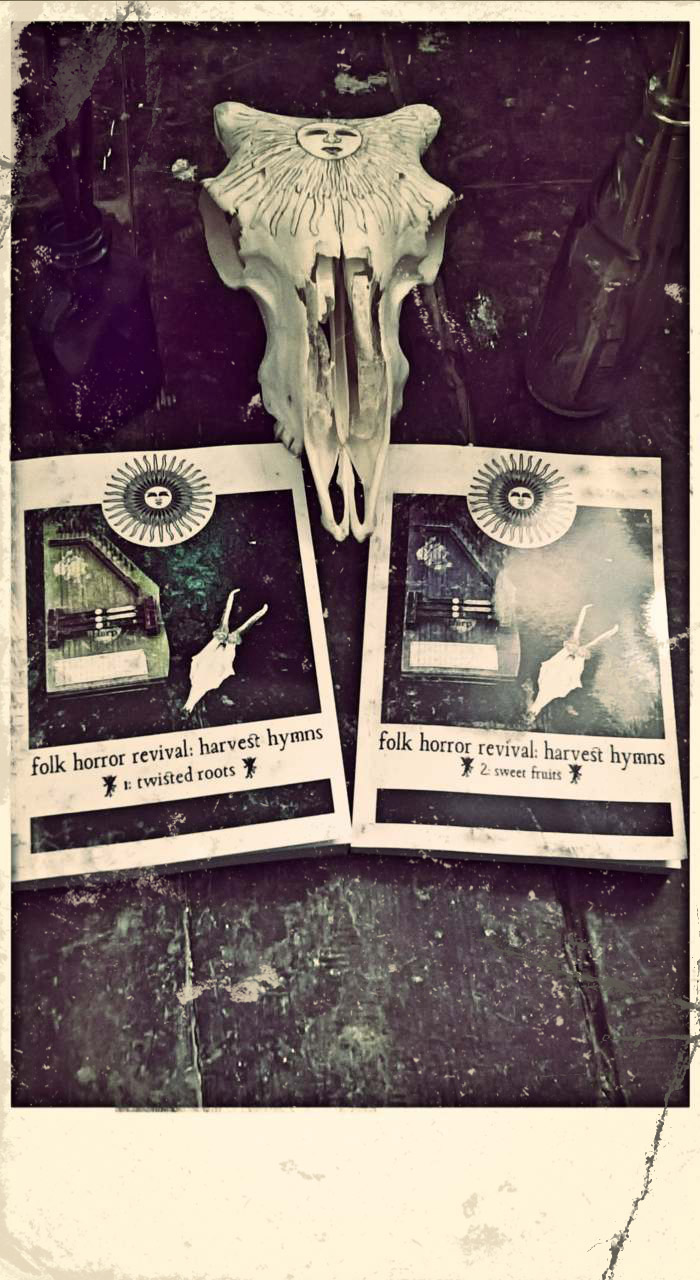
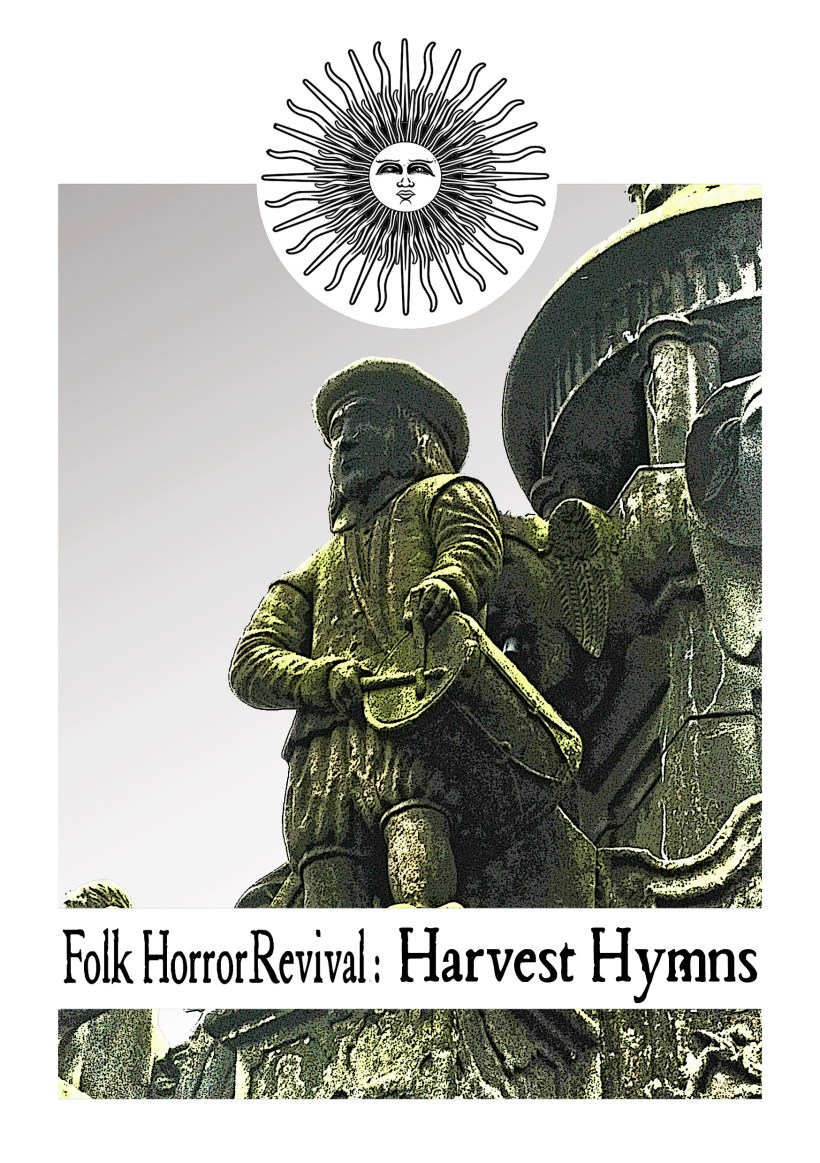
It will be followed by Harvest Hymns (a 2 volume extravaganza released simultaneously). Pieced together by the mysterious music-magician Melmoth the Wanderer, prepare to be treated to the sumptious tastes of the twisted roots and sweetest fruits of Folk Horror music. Delving first via essays and interviews, into a paganistic past of folk music, experimental electronics and witchy metal we are brought into the present of dark folk, drone and many other strange and wondrous aural delights.
HH cover.jpg

Also this year, we will bring to you a collection of contemporary ghost stories gathered by the author Paul Guernsey from a pool of talented haunted souls, whose nightmares have been illustrated by Andy Paciorek.
WILBUR2.jpg

Andy Paciorek has also been in cahoots again with professor and traditional storyteller Dr. Bob Curran to unearth the grisly tome that is The Wytch Hunters’ Manual.

cover.jpg

Also on the agenda and in progress for this year or beyond are Goddess – a volume brought to you by a female powerhouse delving into a wide variety of topics, The Choir Invisible, a book that deals with death in its varying shades of morbidity and beauty; and Urban Wyrd – a study into what happens when the harvest of folk horror and other strange fields, spills beyond the lines of town and country, both in place and mind.

whplogbwi

Peruse our existing titles at – http://www.lulu.com/spotlight/andypaciorek

100% of profits from FHR / Wyrd Harvest Press books sold in this store will be charitably donated at intervals to different environmental, wildlife and community projects undertaken by the Wildlife Trusts.

Book review: Magical Folk: British & Irish Fairies 500 AD to the Present

28642634_10160042494570484_1071896828_o

Fairies have become a much maligned species in recent centuries. Mention the word to most people and the mental image that springs to mind will most frequently be a diminutive sparkling being reminiscent of Disney’s rendition of J.M. Barrie’s Tinkerbell from Peter Pan. The idea that Fairies are twee, little wish granters perhaps does them a great disservice. That is not to say that fairies do not look like that. They can, if a human mind is faced with something otherworldly, something they have never encountered before, regardless of whether it has a natural or supernatural quality, it will frequently seek a pattern in its memory and recognition facility. If they expect a fairy to look that way, then perhaps they will see it that way. In my own experience, art and contemplation I have a preference for the term Faerie, which although may donate a place or state of consciousness perhaps, rather than an individual race of spirit or being (the naming of which has always been a moot and sometimes dangerous issue, as explained within this book), divorces my mind at least from the sugar plum sentimentality of the subject. The mawkish is however probably as important as the mysterious, for in studying or commenting upon folklore, the cultural set and the individual mindset is very important in the mapping of human experience and interpretation of experience. Simon Young’s exploration of these issues, of which Magical folk is a part, is a very important and intriguing aspect of 21st Century studies of folklore both in a historical and contemporary setting . But now to the book.

Magical Folk edited by Simon Young & Ceri Houlbrook, which features numerous impressive essays by various writers, follows the path trodden by notable folklorist Katherine Briggs, in looking at what fairies reported at different times and different places have in common as well as traits and quirks that tie them to a particular location or moment. It is clear that many of the reported fairies do not have much in common at all with Tinkerbell. My own personal fascination and feeling of fairies leans towards the most odd; the capricious even the sinister.

Chapters are themed according to locality, for the most part different regions of the British Isles, but also there are intriguing accounts from North America. I was aware of the lore of some fay British and Irish entities reputedly flitting west with immigrants to the new worlds of Canada and America and also of the tales of the first nations about their own similar beings, but there is material in here new to me which is a pleasure to read.

Also featured several times in discussion is one of my personal favourite Faerie tales; that of the faerie midwife. If you don’t know it already, then I will leave it for you to read in the book. Needless to say, it is a tale that reveals the capriciousness of the faerie kind and also relates to the concept of Glamour – basically the premise that things may not initially be what they seem.

Joining Simon and Ceri on this enjoyable excursion beyond the mist gates are the current Queen of British folklorists, Jacqueline Simpson and a worthy entourage comprised of Pollyanna Jones, Mark Norman. Jo Hickey-Hall, Richard Sugg, Jeremy Harte, Jenny Butler, Laura Coulson, Richard Suggett, Francesca Bihet, Stephen Miller, Ronald M. James, Peter Muise and Chris Woodyard.

Magical Folk is a pleasure in its own right, but also needs to be seen in the wider context of Simon Young’s work. As well as being the Faerie Correspondent of Fortean Times; he is the resurrection man behind the reprise of the Fairy Investigation Society. In bringing the work of Quentin C.A. Craufurd, bernard Sleigh and especially Marjorie Johnson of the original Fairy Investigation Society to present day attention, he has set the foundations for present and future investigation of the phenomenon – whatever its rhyme or reason. This is an important step, for as the results of Simon’s Fairy Census show, fairy encounters are not a mere thing of nursery tales nor, as the closet minded faction of sceptical thinkers may have it, simply a thing of new age rainbows and glitter self-help books, but a fascinating and important aspect of anthropology, cultural study and investigation into both liminal states and potentials of quantum reality consideration.

But again, Magical Folk is simply a pleasure to read in its own right. 

Magical Folk: British & Irish Fairies 500 AD to the Present

edited by Simon Young & Ceri Houlbrook

Gibson Square, £16.99

Available from
https://www.amazon.co.uk/Magical-Folk-British-Fairies-Present/dp/1783341017 and other online and actual bookshops.


Seen in Half Dreams: The Fairy Investigation Society Interview Andy Paciorek

23659141_10155893352176952_4301718085418149521_n

Andy, thanks so much for agreeing to talk. First of all, can you just tell us something about your background and how you became so interested in fairy art?

Hi, thanks for asking me to talk. I have had an interest in strange and mysterious subjects and have also compulsively drawn since I was a child, so it was probably inevitable that I would someday end up drawing fairies. As a very young child I think I saw stuff, that I never really thought anything of at the time – faces in the trees and one time I remember playing on the fields at the back of my house with an unfamiliar child who was very pale with white hair and I think white clothing. Nobody else seems to have seen him or knew who he was, which was odd as it was a small village where most people knew each other. I think he said his name was Samuel. I never thought he was a ghost, angel, faerie (though some theories identify faeries as either being ghosts or fallen angels) – just a kid. He wasn’t an imaginary playmate either as I only ever saw him the once. As I got older I became more and more interested in supernatural subjects but paid little attention to faeries as still then I had the Tinkerbell impression of them.

So what changed things?

Well, in my reading I came across Passport to Magonia by Jacques Vallee and then the books of Hilary Evans and that brought me around to a new way of thinking about faeries, which inherently felt righter to me. On the art side as well as Froud and Lee’s
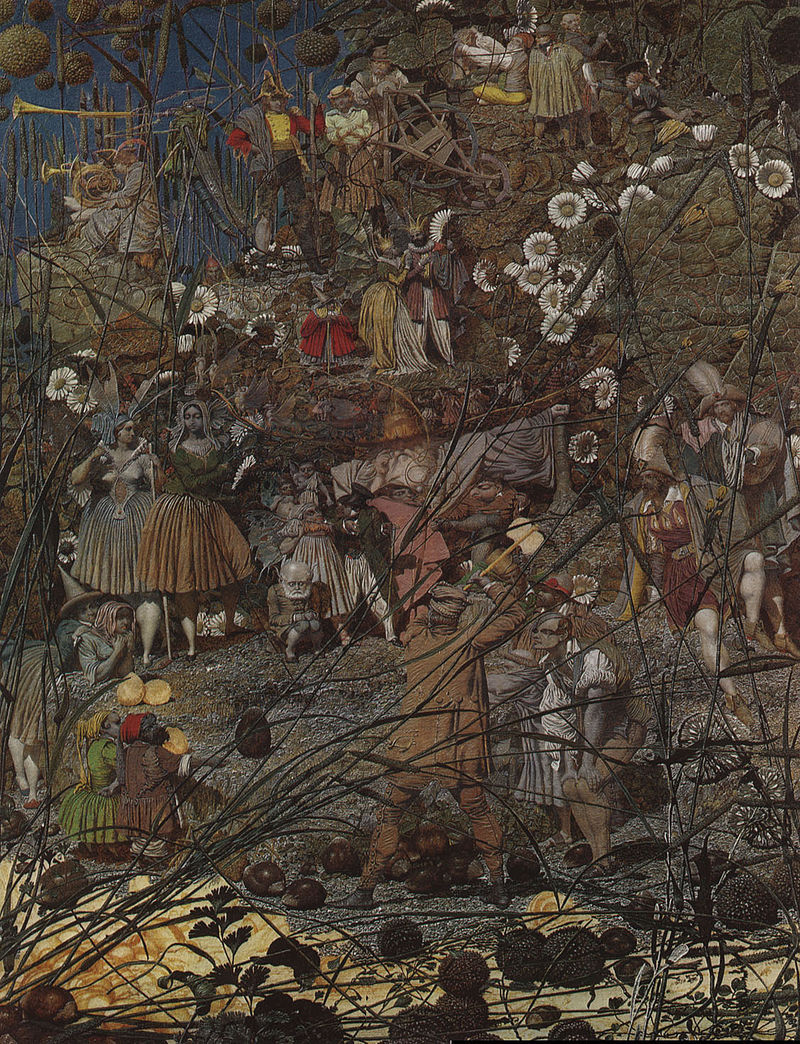
seminal Faeries, via the Pre Raphaelites and Aesthetic artists I became aware of the Victorian genre of Fairy painting and I became enamored especially with the works of Richard Dadd and John Anster Fitzgerald. There was a dark, mysterious underbelly to their work which really resonated with me.

Jeremy Harte has a very nice comment somewhere: he says that Brian Froud basically took Katharine Briggs’ Fairy Dictionary and drew it.
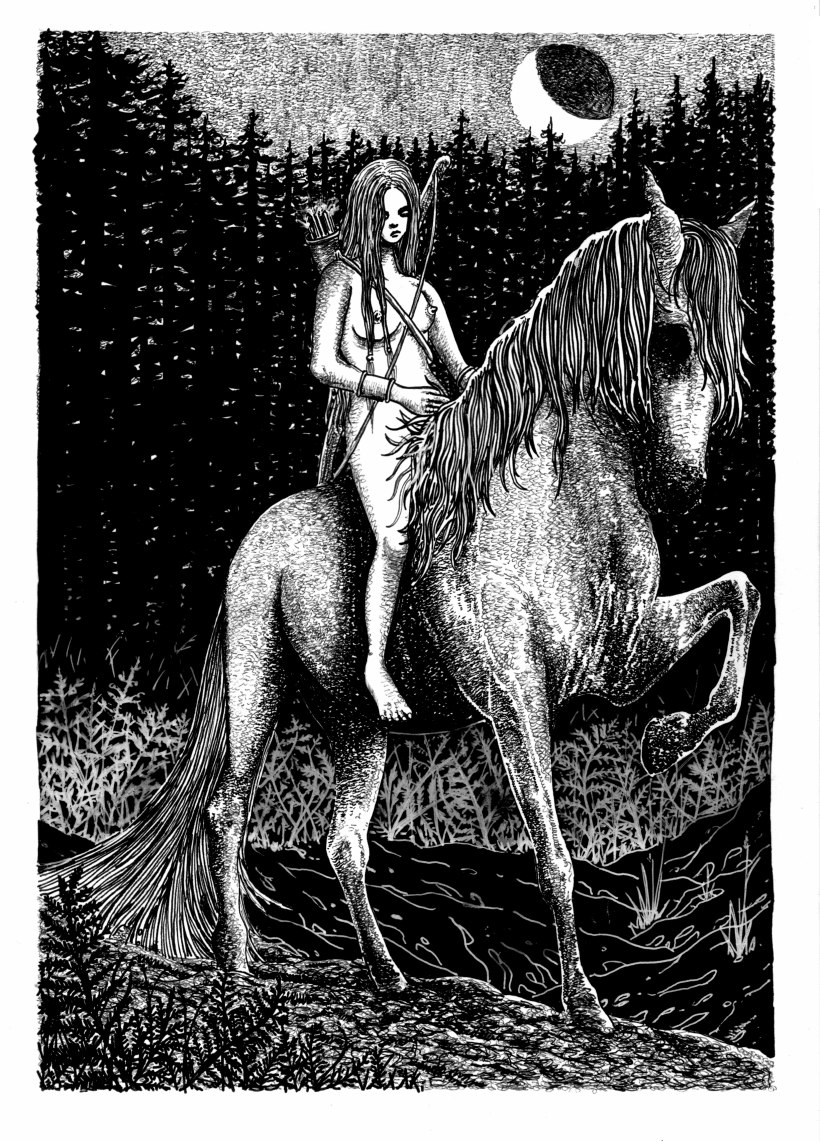
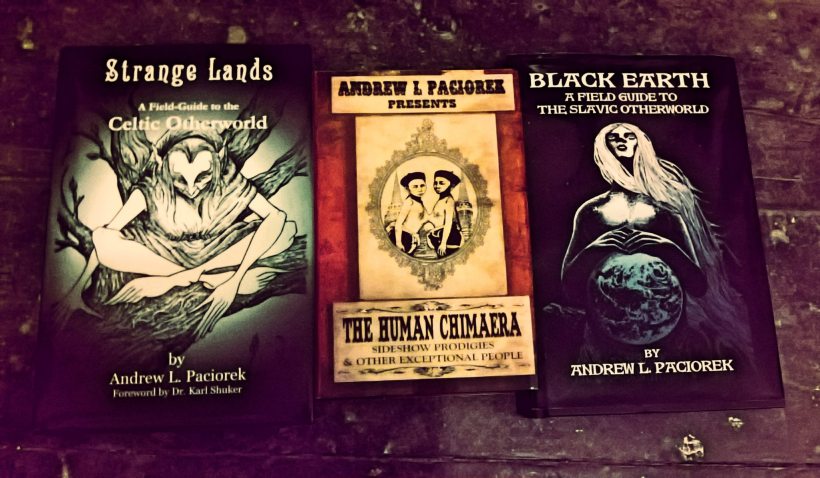
How does folklore writing inform what you draw, Andy? It is very influential and inspiring. How I came to write and illustrate my own folklore books, however, is a bit of a strange journey. At one point in my life an opportunity arose for me to work on a travelling carnival, so I literally ran away with the show folk for a few years, starting off in Wales and then travelling to the Far and Middle East. There was a girl who worked on the fair with us in the Philippines, who had a sort of a Goth look and one night I heard some Filipinos refer to her as a WokWok. And I asked them what that meant and they said Witch of the Night. I broached the subject with other locals and they informed me that the WokWok was a type of Aswang, a breed of differing vampiric or sinister entities and that piqued my curiosity. Then in Oman on one of the carnival games, the prizes were big Tasmanian Devils – Taz cartoon character stuffed toys and a local pointed at the toys and told me that people like that lived in the interior of the country, so I grew more and more interested in creatures and beings from different world folklore and mythology. Upon leaving the carnival life and returning to Britain I worked for a brief stint temping at Bizarre magazine in London. Whilst there a small filler feature was needed so I wrote a short ‘Ten alternatives to the Bogeyman’ which featured I think WokWok as well as Black Annis, possibly Tonton Macoute (Uncle Hears Me) and I cannot remember who else now but I went on to write about and illustrate far more than ten. I decided to illustrate a series of portraits of strange creatures from British and Celtic folklore. For research I had a massive pile of books scattered around me – Reverend Robert Kirk, W.Y Evans-Wentz, Katherine Briggs, Wirt Sikes, W.B. Yeats and many more and I thought it would be handy to have all this reference in a single book. So not finding one at a time, my proposed series of portraits became that book – Strange Lands: A Field Guide to the Celtic Otherworld containing over 170 illustrations and further descriptions of all manner of mystical beast and beings, many from the Faerie domain. Whilst I was still working on it John And Caitlin Matthew’s Element Encyclopedia of Magical Creatures came out, which is a bumper reference book. I would have possibly pulled my hair out in despair at the work I’d done, had Harper Collins not contacted and commissioned me to provide interior illustrations in the Encyclopedia. In the end the books have a different feel to them but actually complement each other pretty well.
DEVANA.JPG
And your latest published work?
Well, last year I published Black Earth: A Field Guide to the Slavic Otherworld, a book I had finished writing years ago but which span over time getting the illustrations done amongst other work I had on. Again, there are a number of Faerie type entities to be found. Slavic folklore is one of the most under-represented in English language or translated books, which is a shame as there is some rich interesting material to be found in those lands. I am pleased I tackled that as a subject and hopefully there will be further material published by other authors relating to that lore. I am tempted to do further Otherworld Field Guides; have a series of them – Japanese, Native American, Oceanic … etc. There is a wealth of possibilities but it is also a lot of work involved.
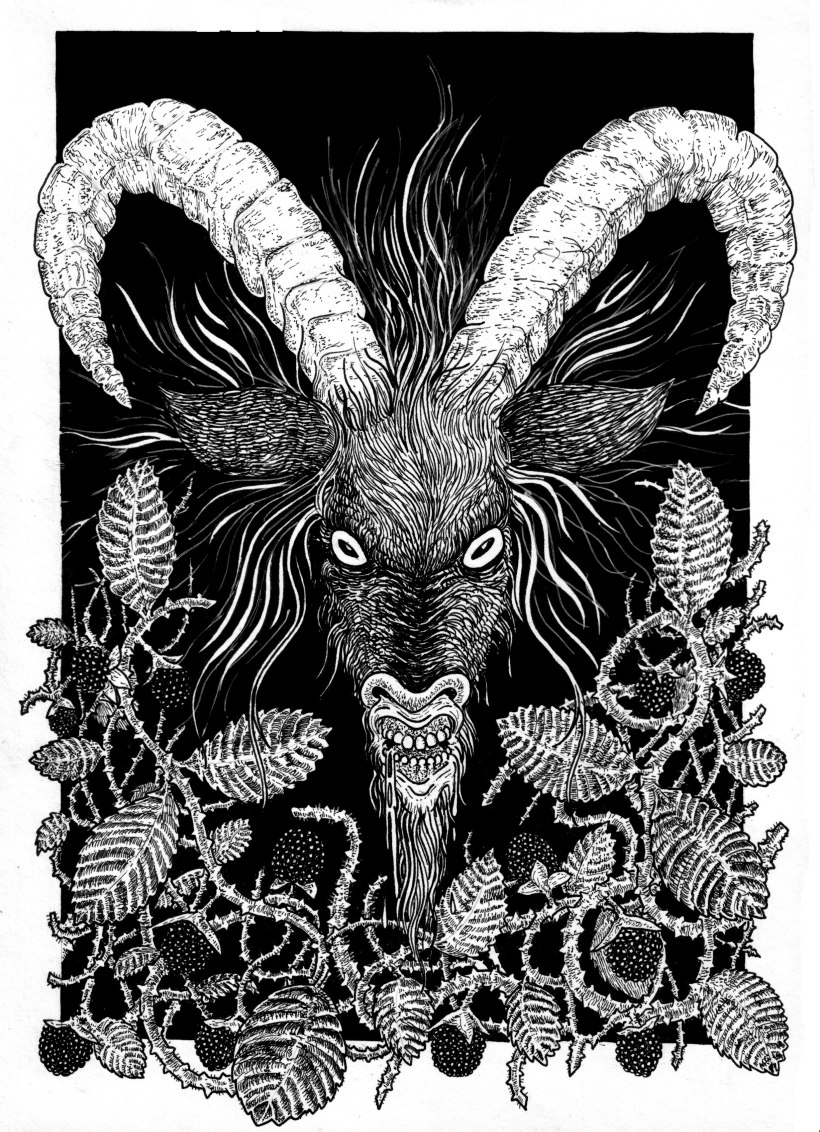
51. Phookas.JPG

As to your drawings I just want to start, if I may, with the phooka, a favourite Irish supernatural creature. How do you go about drawing that?

With Strange Lands, there was a lot of almost automatic-style drawing involved. After reading a text I would just draw with the being vaguely in mind. What was on the page quite often was initially little more than a scribble, but from that I would trace over and the pictures which were in the book. Whilst numerous entities virtually drew themselves, others had a little bit more conscious input from me. I knew I wanted a goat in the book and the Welsh Gwyllion could have also offered that opportunity but of all the shape-shifting forms the Phooka takes, the goat seemed to push itself forward. Brambles feature within the illustration in reference to the superstition that it is unwise to eat over-ripe blackberries as either the Phooka or the Devil himself had either spat or urinated on them. I am pleased I went with the goat aspect of the Phooka as a film of recent years I enjoyed was the Witch with its unlikely superstar of Black Philip the goat. I also prefer the sinister entities and illustrating them so shapeshifting bogies appeal to me.

There are so many fairy artists out there now and you’ve already mentioned a few. But who do you rate as being among the best? Who are your living inspirations? Who should we go and look for?
Alan Lee, Brian Froud, Charles Vess, all deservedly earned their position of being the successors of a tradition that followed Arthur Rackham, Dorothy Lathrop, Edmund Dulac and the other Golden Age illustrators and before them the great Victorian illustrators and fairie painters, but it is great to see that this tradition is continuing. Amongst those who regularly or frequently illustrate themes associated to Faerie, it is the darker earthier works that appeal to me as they maintain that capricious undercurrent and strange nature of the subjects, so apologies to those I have surely forgot but among the contemporary Faerie artists I admire are Karen Hild, Virginia Lee, Marc Potts, Cobweb Mehers of Eolith Designs, and especially Julia Jeffrey. Julia’s most recent body of work relating to the confessed Scottish Witch Isobel Gowdie is my favourite of her work, very sinister and evocative.
I’ve recently finished editing the Fairy Census 2014-2017. When people are describing fairy sightings frequently – I’d guess five or six times – people say, ‘it looked like a Brian Froud drawing’. What is happening here is modern artwork influencing sightings or is modern artwork taking from reality?

In talking with people about fairy artists, we think those who are ‘seers’ are very apparent. Among those whom I mentioned in the previous question are some whom I know or would expect to be Seers. There is an authentic feel to their work; it is not necessarily from literally seeing with the eyes but frequently just sensing and allowing those sensations to take form. With those who do that, sometimes it is as if the entities are rendering themselves through the conduit of the artist. The reasons for them being seers can vary. With Richard Dadd it could be his madness – he would simply smear paint on a canvas to begin and then paint the faces he saw peering out at him in the
pigment. For John Anster Fitzgerald there is a suggestion that his visions may have come from laudanum or opium half dreams. Some may simply be more sensitive to such things.
Location could also be a factor, Froud lives on Dartmoor which is notoriously ‘thin’, but the reasons why people may report Froud-like creatures is because they are seeing the types of creature Froud also sees. His earthier creatures are completely like those half-seen peering faces that can be found amongst foliage, tangled roots, tree bark and burrs, dry stone walls and such places. There is a stylistic difference amongst individual artists, but it may be that Brian’s work most closely captures the forms that numerous other people have seen. There is also the consideration of archetypes. If a collective unconscious exists, then art and reality will constantly influence each other I think
21054991_10159176435715484_700273241913332390_o.jpg

Let’s finish with a boring but fundamental question. If anyone is interested in commissioning you for art work or just buying one of your books, how do we get in touch?

My solo books are available mail-order only from

http://www.blurb.co.uk/user/andypaciorek

but books I have illustrated for Harper Collins and other publishers are generally possible to buy from bookshops, Amazon etc. I can be contacted at andypaciorek@yahoo.co.uk
Andy, thanks so much!

This Interview first appeared in Fairy Investigation Society; Newsletter 7. New Series. January 2018
Founded in Britain in 1927. The Fairy Investigation Society has members from many different walks of life with different views about fairies and fairy existence: what ties us together, in mutual respect, is an interest in fairy-lore and folklore.

Read the Fairy Census 2014 -2017 here –  fairy census 2014 -2017

Alongside Darren Charles, Andy Paciorek will be discussing witches, faeries and folk horror at the The Pagan Federation Scottish Conference on Saturday April 21st 2018