Sharron Kraus – The Pilgrim Interview

After John Pilgrim’s most insightful interview with Phil and Layla from Hawthonn, he has been in touch with Folk Horror Revival favourite Sharron Kraus to chat about her inspirational new album, her enchanting novella Hares in the Moonlight and Folk Horror’s  revival, as well as talking about the upcoming Swansongs event at the Black Swan in York on May 12th. Anyway, I shall leave the floor clear for Sharron and John to guide us through the mist.


Publication1


John Pilgrim: You are a good friend of Folk Horror Revival, having appeared on stage at the 2016 event at the British Museum and at the Hepworth Gallery in Wakefield last year. What do you make of the revival of interest in folk horror which is taking place more generally? What do you think accounts for this and do you have thoughts on how this might continue to develop?


Sharron Kraus: The question of why there’s now an upsurge of interest in folk horror is an interesting one but I’m probably not best qualified to answer it, as to me the real question is what’s taken everyone else so long?! If I were to speculate wildly about why folk horror is gaining in popularity now, though, I’d guess that it’s something to do with the fact that the world has recently become a darker, more chaotic place.


John Pilgrim: A deep spiritual connection with the landscape permeates much of your work.  What were the formative experiences for you in connecting to the landscape and how has your connection and awareness changed over the years?


Sharron Kraus: I loved insects and trees as a child and forests have always been special places for me. I spent a year in Aberystwyth as a student and the landscape of Mid Wales cast a spell on me. For years after leaving there the kind of landscapes I’d found there appeared in my dreams. The first time I took LSD I was in a copse just outside Oxford with a couple of friends. We spent hours in what felt like an enchanted land and afterwards, though the vividness of the trip wore off, the things I’d discovered never left me. It feels like there are new layers to my experience of landscape being added all the time.
sharron


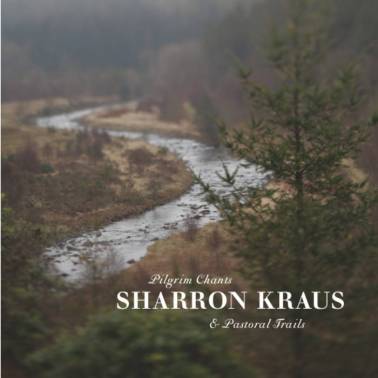
John Pilgrim: Your album Pilgrim Chants and Pastoral Trails has been described as inhabiting “an an eerie and wonderful world, somewhere between eisteddfod and witches’ sabbat” . and as being “suffused with a lovingly melancholic sense of place”. How did this album come about?


Sharron Kraus: I visited Mid Wales, after years of not having been back there and my heart swelled with love for the place. I drove up through the Elan Valley, stopping and walking here and there, and wherever I stopped I had a tantalising sense of there being music just out of earshot. I stayed with friends and told them how I was feeling and they diagnosed a case of ‘hiraeth’, which is a Welsh word meaning something like homesickness or deep longing for somewhere. I decided to move to Mid Wales and try to listen to the land and draw out its music. At the time I thought that what I was doing was only possible because of the ‘magic’ of the place, but the way of working that I developed – that kind of listening and opening up to the place – became something I could then apply to other things, working on different projects. Two collaborations I’ve worked on since then – one with poet Helen Tookey and one with writer Justin Hopper – have involved the same kind of ‘listening’ to the text and responding musically to it.


John Pilgrim: One of your songs is ‘Blodeuwedd’ which I am sure must derive from the Mabinogi – the earliest prose stories in Britain. Can you tell us more about your interest in this mythology?


Sharron Kraus: I read the Mabinogi whilst I was living in Wales and loved the fact that some of the settings in the stories were actual places around me – that made obvious the magic in the land I was living in. I found the stories confusing at first – they’re very condensed and seem to require unlocking – and my way in was through writing songs about the stories or characters I wanted to gain some understanding of. As well as Blodeuwedd, the woman conjured out of flowers, I wrote about Branwen, the Welsh princess who’s married to Matholwch, King of Ireland, and who trains a starling to take a message to her brother Bran in Wales,   Efnisien, the troublemaker who starts a war between the Welsh and Irish, kills his own nephew by throwing him in the fire, then redeems himself somewhat by sacrificing his life to save his countrymen. I was writing about the characters in the stories, but also about my own experiences living in Wales, and about eternal themes found in the stories – like the plight of the migrant forced to seek work in a foreign land.


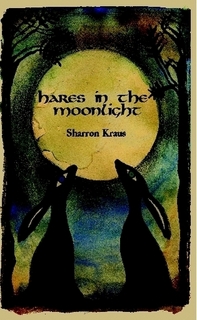
John Pilgrim: You have recently published ‘Hares in the Moonlight’, a tale of magic and adventure for readers aged 8 to 12, in the tradition of Alan Garner and Susan Cooper. What prompted you to follow this tradition in writing for this particular age group?
hares


Sharron Kraus: I wrote ‘Hares’ for children of good friends of mine and wrote a story I thought they would enjoy. I didn’t exactly decide to write in a tradition, but was influenced by the writers and stories I’d enjoyed as a child, including Garner and Cooper. I was keen to write about magic in a way that conveyed something true, which is what I think the best magical children’s writing does. I think this is something children’s fiction shares with folk horror: both of these things try to convey something of the mysteriousness, weirdness or magic of the world we live in.
John Pilgrim: You spoke on ‘Art as Alchemy’ at the ‘Psychoanalysis, Art and the Occult’ conference in London in 2016. Recognising that this is complex subject, can you say something about how you see art as a form of alchemy. How does this thinking apply to your artistic practice and day-to-day life?


Sharron Kraus: The basic idea is that through art we can take suffering, pain and darkness and transmute them into something golden. The way the crucible of creativity does this is one of the things I think of as true magic – not supernatural magic, but just our ability to take chaos and form something from it – the way we make something out of nothing. That’s a very short answer; for a fuller one, there’s a podcast of the talk I gave at that conference here: https://soundcloud.com/highbrowlowlife/sharron-kraus-ru-podcast.


John Pilgrim: Joy’s Reflection is Sorrow, your new album, will be released on Sunstone Records in June. What themes have you been exploring in this recording and what are the points of continuity and discontinuity with your previous work?


Sharron Kraus: Most of the songs on the new album were written in the year my Dad died, and the wider world started to edge its way towards darkness, so death and darkness are pretty central. The chorus of one song asks the question “What can we do when darkness falls; what can we do when evil calls?” and I think the album is my attempt to answer that question. I guess it’s a question that’s been there implicitly in my work for a long time but that came up to the surface on this one. Sonically this is probably the most poppy album I’ve recorded – kind of baroque-folk-pop. I think that’s partly due to my decision to try to write in standard tuning and using verse-chorus song structures more than I’d normally do. Maybe it’s also partly because the world got darker and I wanted to add some light.

14724361_10154054580664211_434121861910531704_n


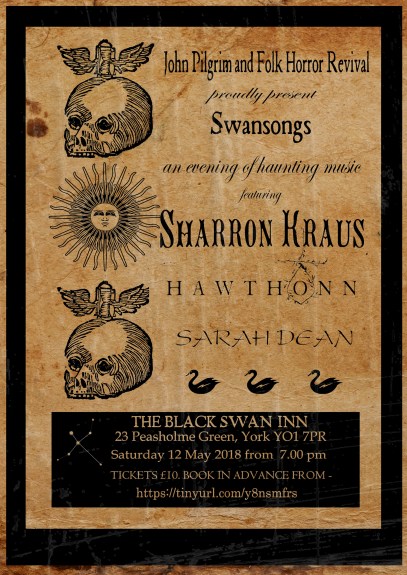
John Pilgrim: You will be playing at the Swansongs event at the Black Swan – a haunted medieval public house in York – on 12 May. What might people expect and do you think the venue might influence your performance?


Sharron Kraus: Playing in an atmospheric venue always adds something and the darker and spookier the better! I’ll be playing a mix of songs and semi-improvised instrumental pieces with Guy Whittaker joining me on drums and percussion. We may have a special guest with us and whip up some Rusalnaia magic too!

www.sharronkraus.com

Sharron will playing at our Swansongs event at the Black Swan in York on May 12th alongside Hawthonn and Sarah Dean. To buy tickets for this intimate evening visit the link below, but remember tickets are very limited and we would advise pre-booking to ensure admission.

https://www.eventbrite.co.uk/e/swansongs-tickets-44059576379
swansongs

Folk Horror Revival at the Scottish Pagan Federation Conference 2018


29572787_1071870936285593_8849265059687862238_n

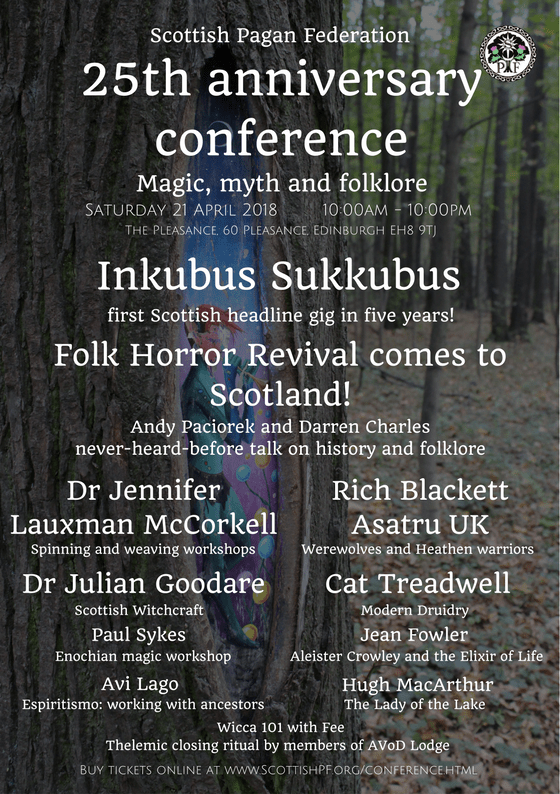
This weekend sees the 25th annual Scottish Pagan Federation Conference taking place in the beautiful city of Edinburgh. Andy Paciorek and I are immensely proud to be representing Folk Horror Revival on this most auspicious occasion. We will be presenting a brand new talk on ‘The History and Folklore of Witchcraft, Faeries, Angels, Daemons, Ghosts & Other Worlds in Folk Horror cinema and television’. The following should give you an idea of what to expect if you are coming along.


30727243_1084551371684216_8388084261182389757_n

 
The amazing Inkubus Sukkubus will be our evening entertainment. We expect loads of old favourites from their extensive discography, plus one or two from their new album!

We will delve into the world of Folk Horror Revival with Andy Paciorek and Darren Charles, our keynote speakers. They will present a never-been-heard-before talk on the history and folklore of witchcraft, faeries, angels, daemons, an ghosts in relation to folk horror revival cinema and television. It’s absolutely fantastic we can bring them to Scotland and we are sure everyone will want to hear what they have to say on this amazing topic.

Rich Blackett – Chair of Asatru UK and part of Folk Horror Revival – will give an amazing insight into werewolves, wolf cults and Heathen warriors. A feast of magic and folklore.

The magnificently open Cat Treadwell will talk about being a modern Druid as well as being a Pagan and living with depression. A really insightful discussion to be had!

We’ll also explore Aleister Crowley and the Elixir of Life as Jean Fowler, Pagan Celebrant and Edinburgh University Honorary Chaplain, presents her research on the topic.

Spin some magick with Dr Jennifer Lauxman McCorkell, expert in wool and metalwork, with two unique workshops – hand spinning and weaving – both limited numbers!

An exploration of everyday Enochian magic is the focus of a much anticipated workshop by Paul Sykes. Paul will reveal the work of John Dee and Edward Kelly as they unveiled the angelic language and made contact with the Angelic realm.

Having explored Voodoo, western mysticism and traditional witchcraft, to name but a few, Avi Lago will take us through a workshop on Espiritismo: working with the ancestors.

Hear about the King of the Scots, King Arthur, with an thrilling talk by Glaswegian historian Hugh MacArthur, who has spent many years studying the roots of the legendary king.

If you’ve ever wanted to talk with two experienced Wiccans, here is your chance. Fee and Jon will facilitate this fascinating open discussion group.

Members of Midlothian AVoD Lodge will lead everyone in a Thelemic ritual for this year’s closing ritual; a first for the SPF conference and one we hope everyone enjoys experiencing.

From inspring talks, interactive workshops, open discussions and spectacular evening entertainment, we’ve got a brilliant day out in the heart of Edinburgh.

Avanced tickets will close on Wednesday 18 April 2018 at 11:59pm.

Advanced adult all-day (evening included) tickets: £15 per SPF or affiliate PF member or £20 per person (non-member).

*NEW* Advanced teen tickets: £8 per teen (must be aged 12 to 17 years-old and accompanied by parent/guardian/carer with valid all-day conference ticket).

Advanced evening (gig only) tickets: £8 per person.

Tickets are still available from the link below.

http://www.scottishpf.org/conference.html

Hawthonn Interviewed

Phil and Layla from Hawthonn have just released a critically acclaimed album ‘Red Goddess: Of this Men Shall Know Nothing’ on Ba Da Bing records. They will also be appearing at our Folk Horror Revival event, Swansongs which takes place in York on May 12th at the Black Swan. John Pilgrim caught up with Phil and Layla for a chat about the new album, their influences and what we can expect from the upcoming gig.

hawthonn

Your new album is Red Goddess: Of this Men Shall Know Nothing. Who is the Red Goddess and what is it that men shall know nothing of?   What clues does the album provide in these respects?


Phil: For a long time the new album didn’t really have a title. We had a lot of themes that we touched on: mugwort (‘In Mighty Revelation’), menstruation (‘Lady of the Flood’), hysteria (‘Eden’), the post-mortem exploitation of women’s bodies (‘Misandrist’), and dream… all things which I suppose could be considered as relating to the feminine experience. Originally I’d given the album the working title Flood, but I don’t think either of us were 100% happy with that…


Layla: We had been reading several books around the time we were working on the album, particularly Penelope Shuttle and Peter Redgrove’s The Wise Wound, which had a lot of invaluable knowledge on the sacred feminine and many jumping off points for inspiration, and also Peter Grey’s The Red Goddess, which explores his vision of Babalon: the Scarlet Woman, or Mother of Abominations – a goddess found in Thelemic mysticism. The idea that she represents earth and sexual impulse made her a fitting matron deity for this set of recordings.


Phil had also found a painting by Max Ernst called Of This Men Shall Know Nothing, which in the early stages of designing the album cover he had wanted to recreate in tableaux. The final cover photo by Narikka contained some coincidental resonances to the Ernst image, and the title of the painting seemed to echo concepts within the album of feminine wildness, and the perceived unknowableness of the female nature.


Phil: The Ernst picture has also been interpreted as depicting sexual alchemy, which also ties in with much of Peter Grey’s writing on Babalon and the goddess’ connection to sexual magic and the three ‘Fs’: f(e)asting, flagellation and fucking!


Red Goddess has already been critically acclaimed. Ben Chasny, of Six Organs of Admittance, had this to say:


    “Hawthonn is the real deal. Equally adept at transcribing crow calls into musical scales as they are at creating horizon melting atmospheres, Red Goddess raises the bar for musicians interested in composing straight from the creative imagination. For fans of Jocelyn Godwin, John Dee and Folk Horror as much as the darker spectrum of British music, this is a record of staggering breadth.”


Following on from this, here, can you say something on how you went about composing Red Goddess and the role of  the creative imagination in this project? How did the experience develop your theory and practise of the creative process more generally?


Phil: I think imagination and creativity are inextricably linked. Many of our favourite artists and poets place great emphasis on imagination, reverie and sudden illumination. Of course, that doesn’t mean there’s not a lot of hard work to do in bringing these visions to fruition, but it is the imaginative aspects that dominate their experience and make the whole enterprise worthwhile. There are often equal amounts of technique and imaginative work going on in a piece – and, as in poetry, we often try to bring disparate symbols together into a whole. Layla’s work on ‘In Mighty Revelation’ really worked well in this respect: she brought together sounds recorded at an abandoned cooling tower with a recording of Rin’dzin Pamo’s thighbone trumpet blasts (- using an instrument anointed with her menstrual blood -), which evokes a very interesting sonic atmosphere and attendant mental imagery: a decaying post-industrial temple, open to the stars (- as we recently discovered were the ancient Indian temples of the cult of the Yoginis, female tantric deities -), and the sort of space where edgeland herbs blossom: in particular mugwort, which rather became our ‘vegetable ally’ for this album (our previous collaborations having explored hawthorn and yew!). Conjuring mental spaces to accompany the sound – and continuing to explore them through the ongoing process of producing the music – is a very important part of our practice, but only one amongst a whole other lot of imaginative and creative techniques we use!


Layla: Dreams, for example, have been integral to the creative process for Hawthonn from the start and continue to be so. The latest track we’ve been working on is conceived around a dream I had recently that I was reading a grimoire of Andrew Chumbley’s, whilst a portrait of him next to me began to shapeshift into a demon. The dream sound/landscape was incredibly vivid and evoking those sounds, feelings and thoughts again has made it a compelling project on both a creative and imaginative level.


The cover image for the album is powerfully striking.  How did this come about? What was the location and what was its significance to you? 


Layla: The cover image came about due to a set of lucky coincidences/syncronicities, I had followed a photographer, Aki Pitkänen, alias Narikka, on Tumblr after a friend of mine posted a pagan/magic themed set of his. I thought his work was exceptional, so showed it to Phil.


Phil looked him up on Facebook and that same day Aki had posted to say he was looking for collaborators/models to work with in our home town of Leeds the following month. We got in touch and found we had a lot of shared interests, and agreed to take him up on Ilkley moor as apparently they have no moors in his home country of Finland and he’d always wanted to shoot on one!


A friend very kindly drove us all up to Whetstone Gate, and as I still didn’t really know what Aki wanted as a backdrop I had planned a walking route to take him to various antiquities that held personal significance to us… but ultimately Aki just wanted “bleak” as the backdrop so most of the photos he took of us are from a particularly desolate spot near the Badger stone, overlooking a huge barrow that most people don’t even know is there.


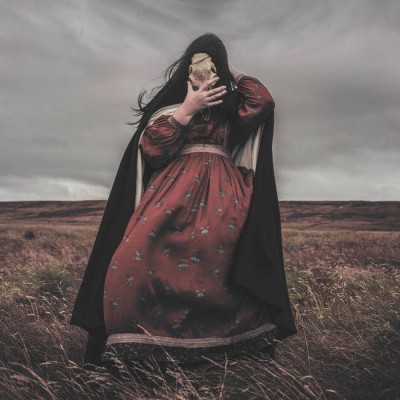
We had a few hours of larking around with skulls before the proper Yorkshire weather hit us, and then I was extremely glad to be wearing a thick wool cloak! He sent us that shot almost immediately when we got home and we knew right away that one of them was the cover, which we had been stuck on for a couple of months.


Both of us have a long love and personal connection with Ilkley moor so it seems doubly fitting that the cover was shot there – Phil recorded some of his earlier music as Xenis Emputae Travelling Band on the moor and we have spent many hours wandering there together. It’s especially wonderful in the mist, when the edges of the real world are completely erased and all you can see are the soft curves of land in front of you. It’s a beautiful, liminal landscape that can become quite frightening after dark!


As  a duo of ‘Mugwort-smoking surburban witches’ in what ways do you seek to connect with the ‘old ways’ and the hidden currents of Old Albion ?


Layla: I think we both have quite vivid, mystic connections with landscape. Our relationship with the world we inhabit both on a physical and imaginal level is essential to both our personal practices and our music. We don’t try and claim any tradition. Although Traditional Witchcraft has been a source of inspiration at times, we are more interested in the poetic relevance of the landscape and it’s past inhabitants: a palimpsest of activity and meaning, which we unearth and interpret in our own way. The place where we live is rich in Romano-Celtic history so we have made dedication to, and drawn inspiration from, an Iron age shrine in the woods and a sacred river that flows nearby. The two deities associated with them – Cocidius and Verbeia – have formed a god/goddess duality in our personal mythos, which has become a particular backdrop to our more recent music.


Phil: Cocidius and Verbeia are very much deities embedded in our northern landscape, and they derive their names from the meetings of two cultures: Roman and Celtic. In some ways, thinking deeply about this – and the political climate of our time – has forced us to revise our thoughts on religious syncretism and the bugbear of cultural appropriation. We want to distance ourselves from the idea of pantheons being nationalistic and tied up with rigid ideas of cultural identity, which have become increasingly toxic. We emphasise the highly syncretic nature of religion in the ancient world as a potential alternative, and one that does not dilute the power and individuality of deities by reducing them simply to interchangeable masks of pop-Jungian archetypes. On our track ‘Lady of the Flood’, we borrowed from the Graeco-Egyptian magical papyri, which are masterpieces of heady magical lore and symbolism, incorporating fragments of ancient Egyptian ceremonialism, Greek mythology and Gnostic cosmology into something that more visceral and powerful than its component parts.  In some ways, it is the Roman presence in England that also connects us to Egypt, and I find it fascinating that the English witch Andrew Chumbley incorporated so much Egyptian lore into his ‘Sabbatic Craft’, which at first glance seems very much rooted in the British landscape, but again yields work that is highly eclectic, but utterly spellbinding and aesthetically ravishing in its execution.


You are clearly fascinated by occult thinkers and writers from previous centuries such as  Heinrich Cornelius Agrippa and Dr John Dee. Do you see a contemporary relevance to such  figures?


Phil: I think Dee is most relevant to my solo work, such as Hesperian Garden, which features compositions drawn from his Hieroglyphic Monad: a glyph which he believed had profound implications for all arts and sciences. I do find it quite funny how such an establishment figure – a courtier and member of England’s elite – has become such a countercultural hero, although there is no denying that he was a deep and eccentric genius.  Agrippa, similarly, is a rather profound inspiration personally, but in Hawthonn we often concentrate on the works of more contemporary occultists and artists: John Balance, Andrew Chumbley, Peter Grey & Alkistis Dimech, Penelope Shuttle & Peter Redgrove, and so on. I think my own work can be quite cerebral and uncompromising sometimes, often with quite dense swathes of sleeve-notes or accompanying texts, but with Hawthonn we strive toward something more direct and relevant to the present.


You will be playing at ‘Swansongs’ at the Black Swan in York on 12 May. What can people expect from your performance?


Phil: The three Fs! Haha, only joking…


Layla: I was so nervous but dead-set that we’d play live this year, the first gig was an absolute joy to do, so I’m hoping the York gig will be equally transcendentally fun! Ritual elements, death whistle, singing bowl, synths and bone rattles… I hope it’s a little bit spooky and we can coax the resident ghost out for a duet.


Phil: Hah, in that case, we definitely have to re-use the Spiricom frequencies that we used in our first album. After that particular recording session, our infant son woke up sat on our bed babbling excitedly to thin air! We managed to record that and include on our track ‘Thanatopsis’! I hope that whatever happens, it will be a mesmerising and sonically engaging experience even for those who don’t buy into the occult side of things!


Lastly, can you tell us something amusing that has happened while working together recently as Hawthonn?


Phil: Well, we’re often quite serious when it comes to Hawthonn and how we go about working on these pieces. They are often entwined in our interests, obsessions, dreams etc, and we have quite critical listening sessions while each piece develops. Sparks often fly, but that process definitely enhances the quality of our output tenfold. Our friend Gretchen (of the noise rock band Guttersnipe) said she imagined us working together in perfect hippyish harmony – but our ‘studio’ is definitely an infernal forge, and what we create there is far more robust for it!


However, one amusing thing that did happen was when we decided to make a kangling, or thighbone trumpet, which is an important tool in chöd rituals of Tibetan Buddhism, which involve the use of fear to cut through the ego. Being made of a human thighbone, the kangling has a unique, utterly unnerving and haunting sound. We were very interested in making our own, and a friend of ours told us that he had some human bones from a medical skeleton that had been given to him by someone else who felt uneasy keeping them around. So, we gathered all the material, including dust masks, hacksaws, knitting needle (for poking through the marrow), and so on. I took the bone outside to cut it, and sat with it for a while, sombrely meditating on death and thanking the original donor from which it came.


As I began to saw the top end off, however, it became apparent something wasn’t right. The bone was too hard… and solid. It turned out to be a very convincing plastic cast! At that point, it seemed like the universe was having a cosmic joke at my expense, and the solemnity of the occasion was undermined somewhat! It was even more amusing to think of our friends respectfully transporting these bones from flat to flat as they moved around Leeds, completely oblivious to the fact that they had never been part of a living thing!


Wow… we probably sound like a right pair of ghouls!

You can listen/buy Red Goddess: Of this Men Shall Know Nothing here.

Swansongs takes place on May 12th at the Black Swan, York featuring live performances from Sharron Kraus, the aforementioned Hawthonn and Sarah Dean. Tickets are available from the following link.

https://www.eventbrite.co.uk/e/swansongs-tickets-44059576379
 

The Sermon: A Review

sermon 1

The Sermon opens with some beautifully shot images of the English countryside haunting, magical and pictureseque they set the scene perfectly. These are followed  by an opening credit sequence that recalls the heyday of Hammer and Amicus films, a lone crow flies into shot and lands in a lonesome tree. A close up of the crow sits behind the films titles, in homage to Piers Haggard’s folk horror classic The Blood on Satan’s Claw. Already this feels like familiar territory.

The story concerns the events of a small rural village somewhere in England. We are presented with images of a young woman and her father, the local preacher preparing for the sermon of the title. She is filling a glass decanter with wine, whilst the father shaves in preparation of the coming events.

sermon 2

The vast majority of the film’s eleven minutes takes places in the church hall, as the preacher well spoken and charismatic takes centre stage. The sermon itself is unsettlingly homophobic in nature and makes for incredibly uncomfortable viewing. What it does is, it sheds a little light on the attitudes of the community, its people and its prejudices. The preacher’s hateful attack on homosexuality is strikingly outmoded to us in today’s world, and yet the congregation is supprtive of his principles. It highlights perfectly for me the positive changes that we as a people have undergone over the last 50 or 60 years in our attitudes to sexuality. I am reminded somewhat of The Wicker Man, in that we are presented with a rural community isolated not only geographically but also from modern liberal thought. One imagines how Sgt Howie must have felt upon finding out that certain archaic practices were still being practiced many years after popular belief in them had faded away.

The final twist in the tail is a satisying turn, it is harsh and unpleasant in its execution, however it makes for a great ending. The film is not yet out on general release so I am unable to discuss the storyline any further at present, other than to say it is an excellent film and well worth checking out if you get the chance.

Overall, The Sermon is a very well made, beautifully scripted short film. The music by Benjamin Hudson and Cape Khoboi fits perfectly,  and it features some genuinely lovely cinematography, that really captures the essence of the English countryside. I am not entirely sure if it was intentional, but several external shots were taken from a low angle. This was very reminiscent of Dick Bush’s amazing cinematography for Blood on Satan’s Claw, where it was used to great effect to hint at how everything rises up from the earth. This may or may not be the case, however I felt compelled to raise it in passing.

sermon director

Director Dean Puckett cut his teeth making documentary films, the most recent of which was released in 2013, Grasp the Nettle highlights the exploits of a group of land rights activists who battle to set up alternative communities in Britain. The Sermon is his second fiction short to have been supported by Creative England and the BFI after the comedy, horror, sci-fi short Circles in 2015. Circles, which was also set in Devon involved paranormal investigators taking their revenge on a group of crop circle hoaxers. I will certainly be looking forward to seeing more from Dean on the evidence of The Sermon.

The Sermon will receive its premiere at the BFI Flare London LGBTQ+ Film Festival this coming weekend, Saturday March 24th. I have included more information for those interested in checking out this excellent folk horror gem.

BFI Flare: Altered States


Return to the Fields …

29003938_10160108962715484_1825559863_n.jpg

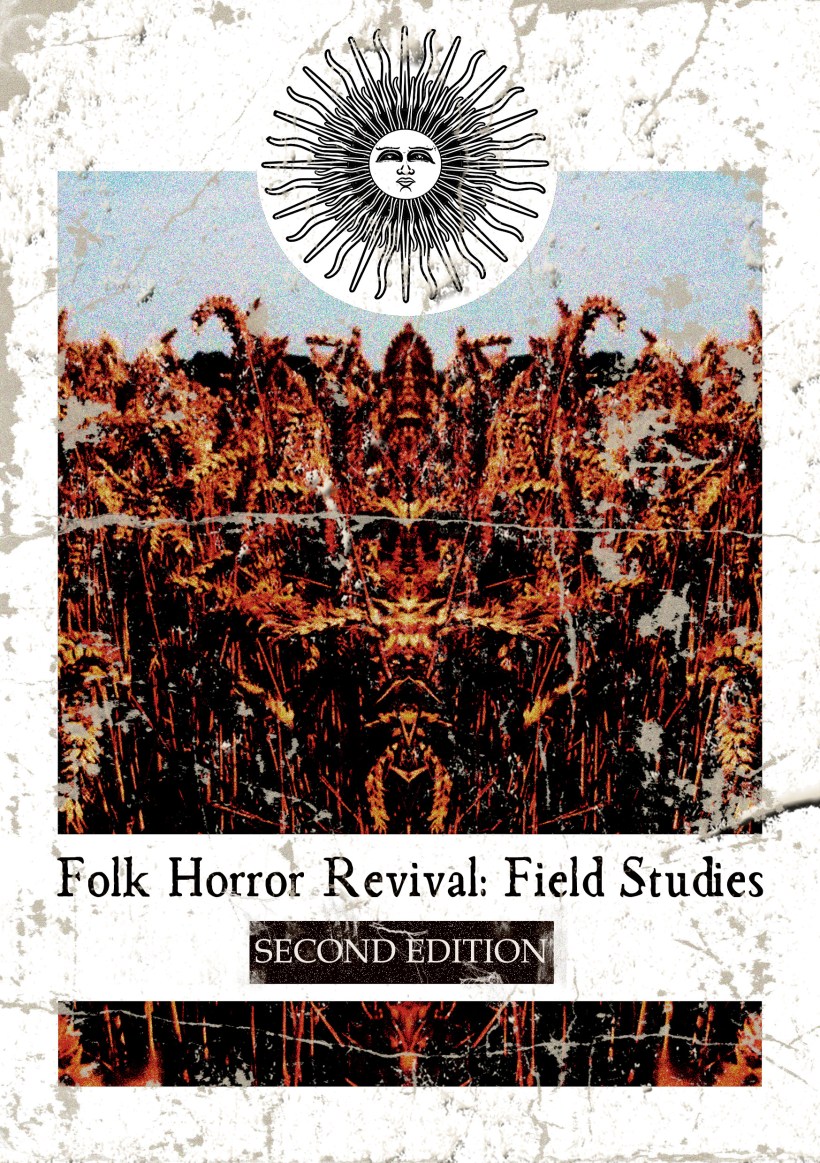
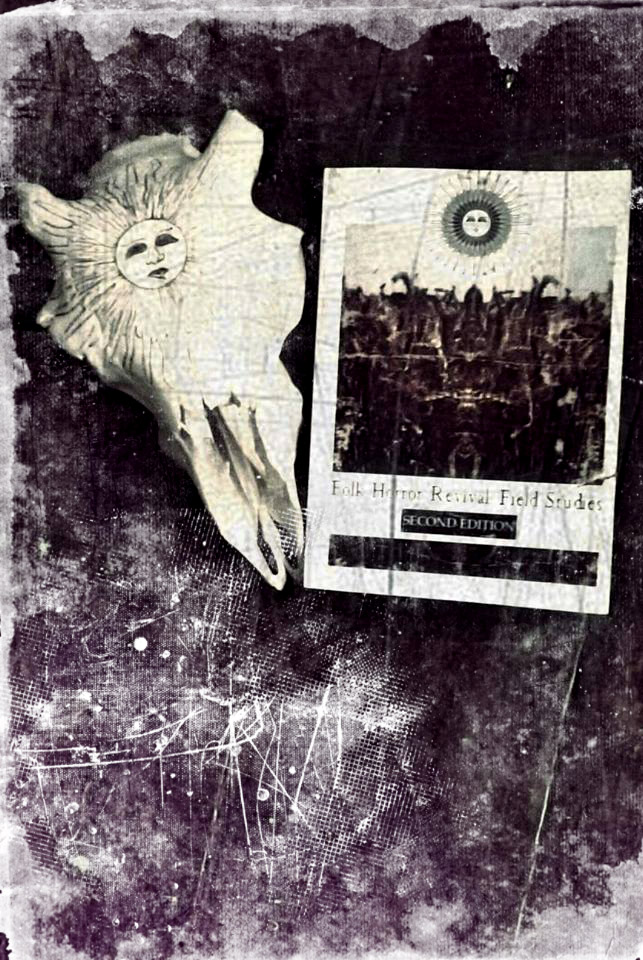
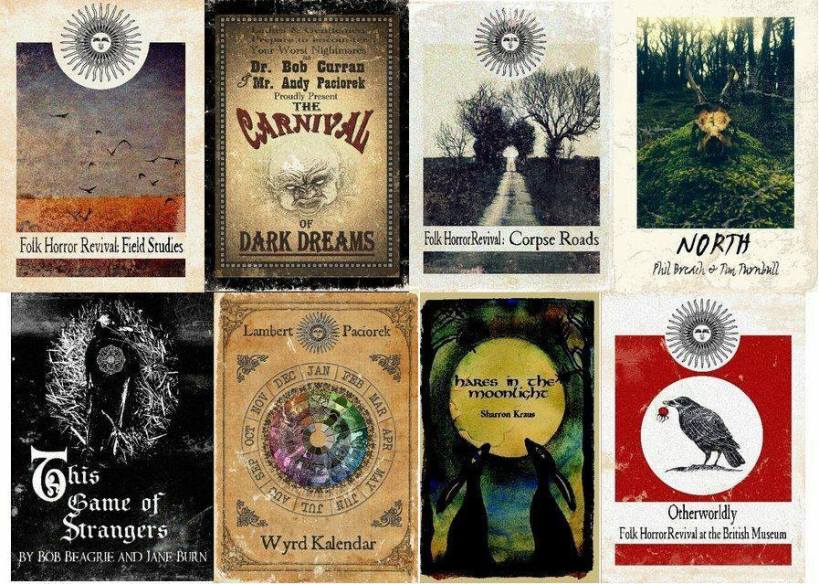
The Second Edition of Folk Horror Revival: Field Studies is now available from here

A new and revised edition of the seminal tome Folk Horror Revival: Field Studies. A collection of essays, interviews and artwork by a host of talents exploring the weird fields of folk horror, urban wyrd and other strange edges. Contributors include Robin Hardy, Ronald Hutton, Alan Lee, Philip Pullman, Thomas Ligotti, Kim Newman, Adam Scovell, Gary Lachman, Susan Cooper and a whole host of other intriguing and vastly talented souls. An indispensable companion for all explorers of the strange cinematic, televisual, literary and folkloric realms. This edition contains numerous extra interviews and essays as well as updating some information and presented with improved design. 100% of all sales profits of this book are charitably donated at quarterly intervals to The Wildlife Trusts.

Paperback – 550 pages – Normal retail price -£15.00 + Shipping

Special Launch Offer – 20% off normal price*
+
A further 10% Discount + Free Shipping **
Use Code BOOKSHIP18 at checkout

* Offer available on Field Studies only. No Code needed.  Offer ends 11.59pm – 19th March 2018. UK time
** Offer available on all Wyrd Harvest Press books. Use code BOOKSHOP18. Offer ends 11.59pm 19th March 2018 – local time

FS2E fc

ESP ~ FHR ~ UFH

29026108_173508836626454_5799876394087238742_n

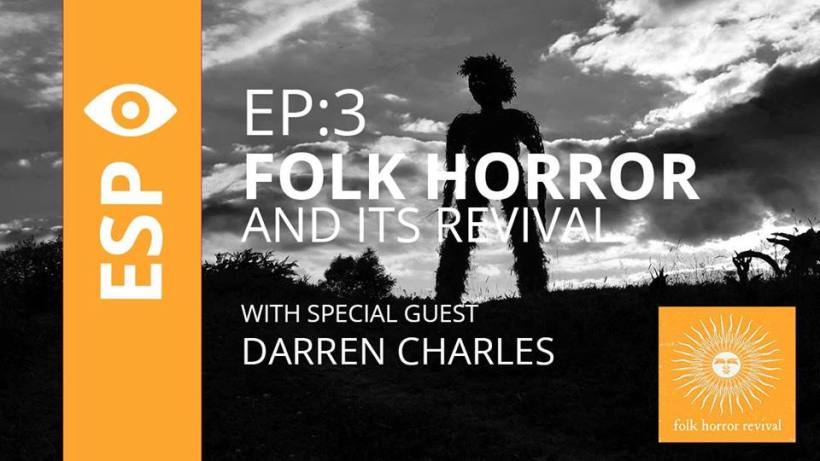
Tonight ESP are talking with Darren Charles of Folk Horror Revival and Unearthing Forgotten Horrors, about his history in folklore, Folk Horror’s rise from the grave, the events and where Folk Horror is going in the future.

Live-streamed to the ESP YouTube and Twitch channel

https://www.youtube.com/channel/UC5WVPm76CADJf_nyGbVWMgQ

https://www.twitch.tv/extrasensoryproduction

13619975_634391663382983_7493280512140282475_n.jpg

E.S.P

https://www.espirit.tv/

Lookee yonder ~ Wyrd Harvest Press 2018

whplogbw.jpg

2018 is already again a busy year for both Folk Horror Revival and Wyrd Harvest Press.
Lined up are talks at others’ events or media presences and again a fruitful focus of books.

FS2E fc.jpg

Our first venture into publishing back in the winter of 2015, Folk Horror Revival: Field Studies was very much a cutting of teeth. Using multi-contributors from many a field close and far for inclusion in a charity book and testing out unfamiliar Print on Demand demands led it is safe to say a headache or ten … But we were left in our hands, somehow put together by a new and relatively unexperienced quantity a tome that featured amongst its pages , contributions by the likes of Philip Pullman, Robin Hardy, Alan Lee and also a cornucopia of interviews with or essays by a surge of new talent. Field Studies, I think it is fair to say, opened more eyes to the genre of folk horror and its revival. Furthermore, though its creators have not made a penny from it; conservation and biodiversity projects conducted by The Wildlife Trusts have benefited well from its presence.
It was not a perfect book however, as some reviewers fairly pointed out, there were some formatting issues which gave an uneven appearance. A minor complaint, but one we took note of …..sooooooo …. this year sees a Second Edition of Field Studies, which not only sees the design improved but also features numerous new interviews and essays featuring the talents for instance of Susan Cooper, Pat Mills and Ronald Hutton and themes such as cults in cinema, communications with the dead and the wolf in the rye, amongst others.
The original Field Studies is no longer available to buy from our book-store but a new, bigger and better version is coming soon.

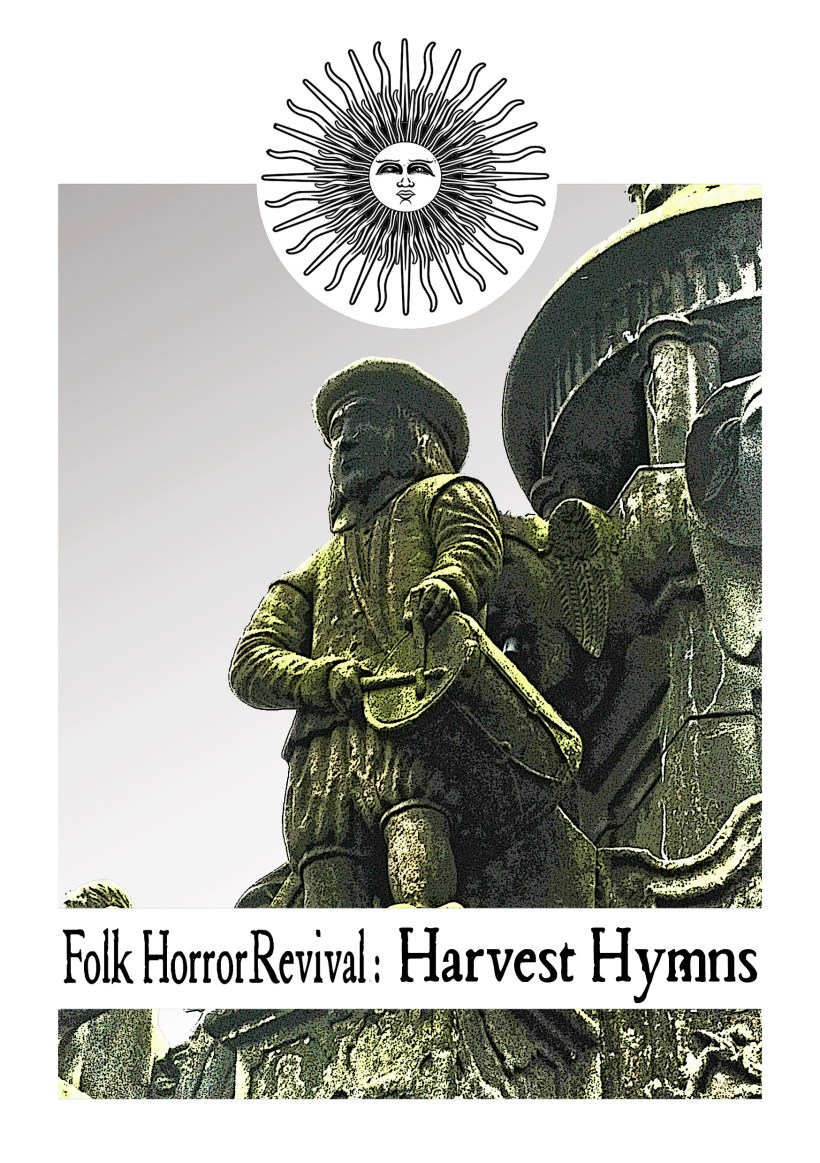
It will be followed by Harvest Hymns (a 2 volume extravaganza released simultaneously). Pieced together by the mysterious music-magician Melmoth the Wanderer, prepare to be treated to the sumptious tastes of the twisted roots and sweetest fruits of Folk Horror music. Delving first via essays and interviews, into a paganistic past of folk music, experimental electronics and witchy metal we are brought into the present of dark folk, drone and many other strange and wondrous aural delights.
HH cover.jpg

Also this year, we will bring to you a collection of contemporary ghost stories gathered by the author Paul Guernsey from a pool of talented haunted souls, whose nightmares have been illustrated by Andy Paciorek.
WILBUR2.jpg

Andy Paciorek has also been in cahoots again with professor and traditional storyteller Dr. Bob Curran to unearth the grisly tome that is The Wytch Hunters’ Manual.

cover.jpg

Also on the agenda and in progress for this year or beyond are Goddess – a volume brought to you by a female powerhouse delving into a wide variety of topics, The Choir Invisible, a book that deals with death in its varying shades of morbidity and beauty; and Urban Wyrd – a study into what happens when the harvest of folk horror and other strange fields, spills beyond the lines of town and country, both in place and mind.

whplogbwi

Peruse our existing titles at – http://www.lulu.com/spotlight/andypaciorek

100% of profits from FHR / Wyrd Harvest Press books sold in this store will be charitably donated at intervals to different environmental, wildlife and community projects undertaken by the Wildlife Trusts.

The skull engravings of Paul Beech

inv
IMG_20171122_214234

Dem Bones, Dem Bones, Dem Fine Bones  …

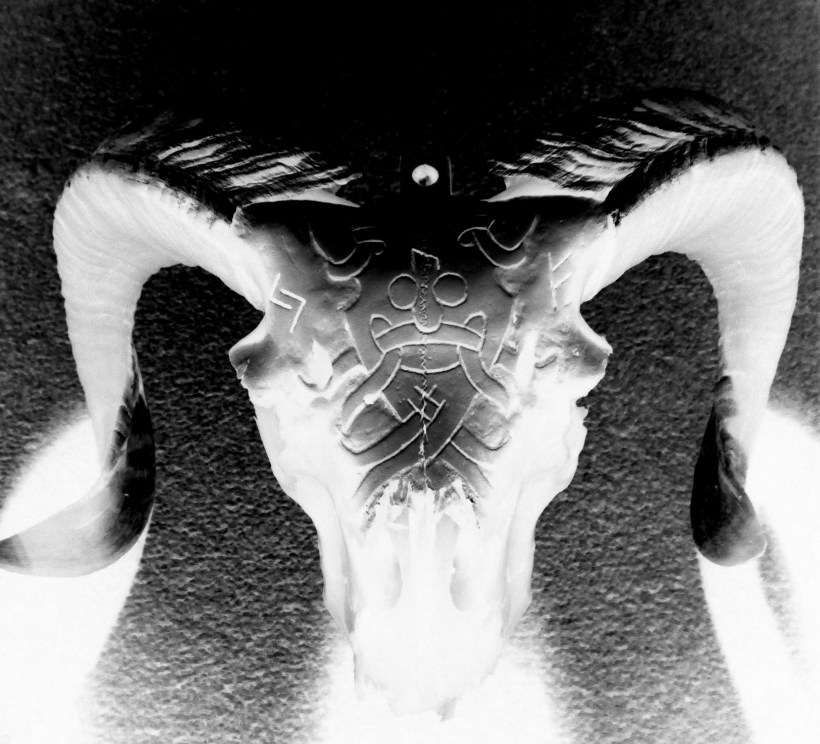
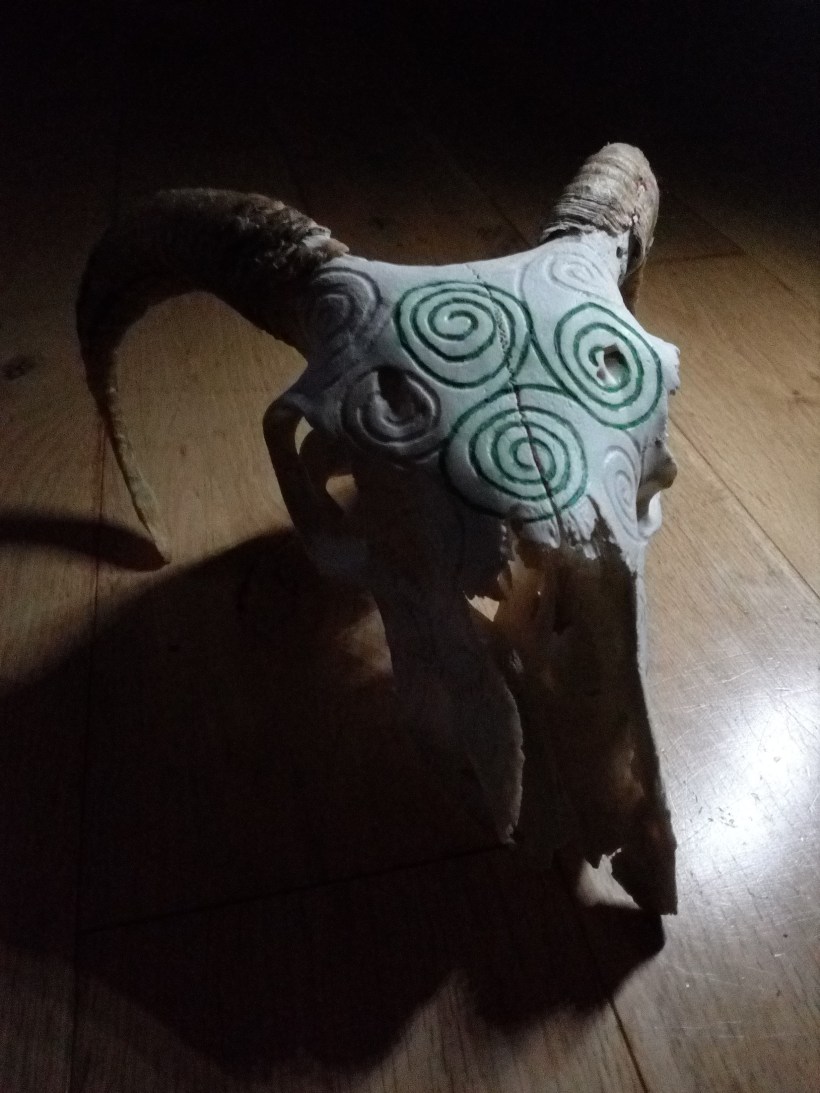
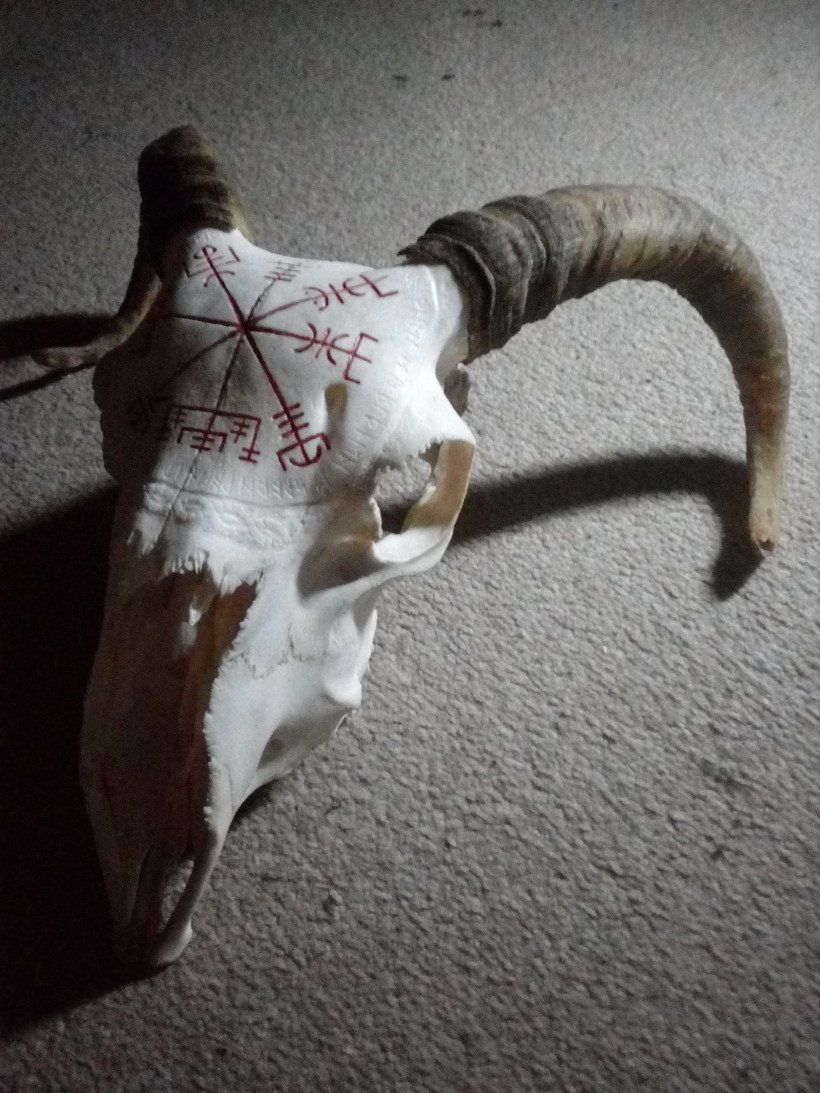
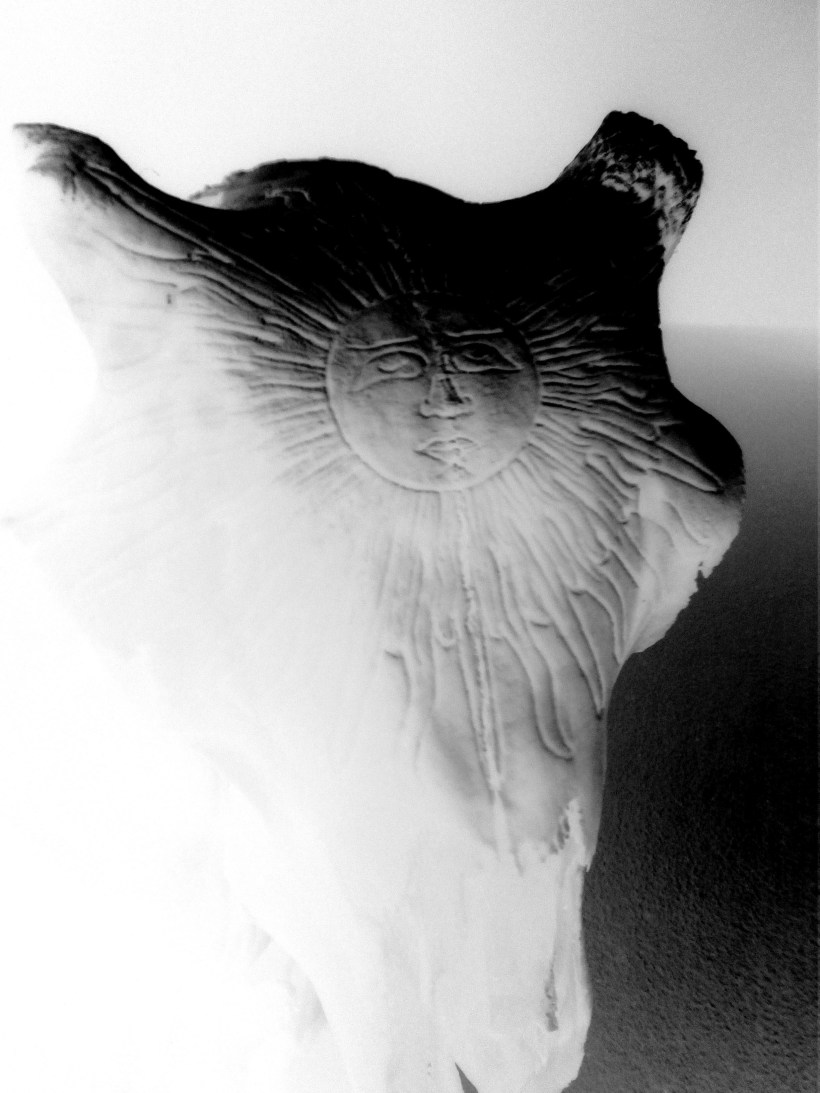
Folk Horror Revival popped some questions over to skull engraver extraordinaire Paul Beech and present here for the pleasure of your eyeballs some folk horror bony goodness – enjoy

IMG_20171123_183147

Folk Horror Revival: What inspired you to take up skull engraving and what did you choose for your first design? 

Paul Beech: Moving to Ireland and the incredible landscape of forests and mountains igniting my creativity. I feel like I stumbled into using skulls though. A combination of reckless adventuring and bad weather on the Comeragh Mountains led me to them. My first design was the Icelandic magic symbol The Helm of Terror as the Old Gods and old ways are a huge influence on my work.

IMG_20171214_202907

FHR: What sort of skulls do you engrave upon and do you acquire the skulls?

PB: So far I’ve only used sheep and rams (I’ve a fox stewing away though!) I acquire them myself up in the Comeragh Mountains. I go off the paths and vanish into the wild. I’m hoping to find some goats and deer soon but they aren’t in as much abundance. It’s important to note that I do not purchase skulls from hunters and butchers. If I did happen to, I would be sure to make people aware of the source.

IMG_20171214_204100

FHR: If you were able to engrave onto any type of skull which creature would you choose?

 PB: A human skull! They look incredible carved.
IMG_20171123_182736

FHR: Do you do any other form of art? 

PB: I like photography. I take pictures of all the skulls I’ve found and include them with finished pieces. The fog and gloom of the Irish Landscape makes for beautiful photo material too.

IMG_20171214_203519
IMG_20171214_203436

FHR: If someone wanted to purchase an engraved skull from you, how would they go about it? 

PB: For now find me on Instagram at @paul_beech or look out for when I post on the Folk Horror Emporium with available skulls, jaws and maybe the odd spine too! ☠

IMG_20171123_183448

i2.jpg

All carvings and images © Paul Beech

Midnight Mugs ~ The Folk Horror Collection

26235333_10155980737376948_1934173149_n
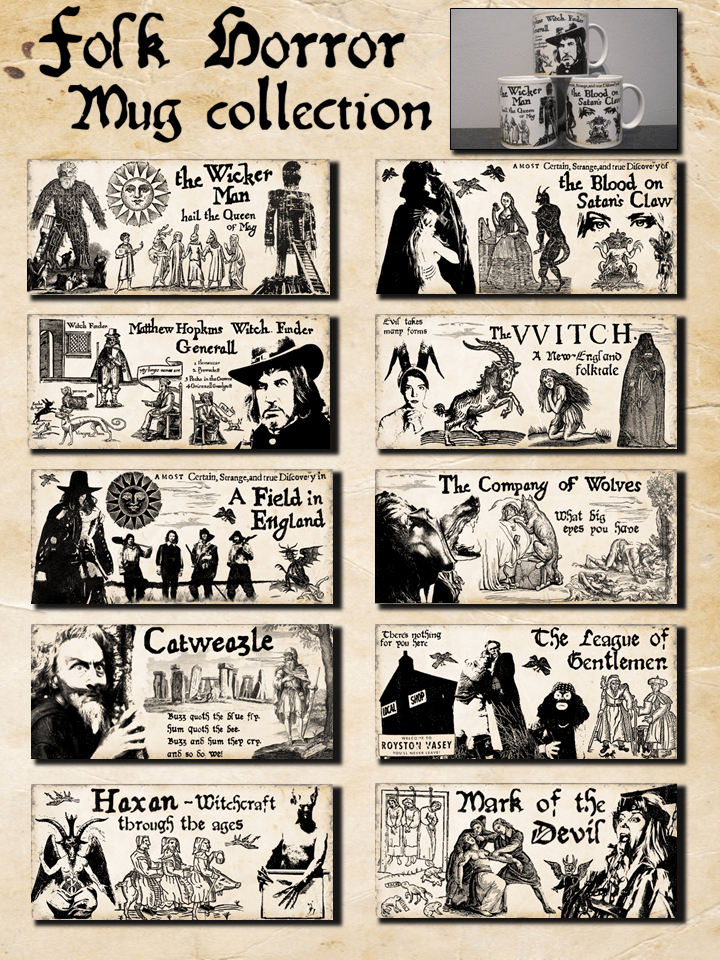
Presented for your ceremonial sups of many a strange brew, Midnight Mugs
present the Folk Horror Collection.

26241938_10155984565686948_350281963_n.pngEnjoy your victuals in reverence to ~

  • The Wicker Man
  • The Blood on Satan’s Claw
  • Witchfinder General
  • the VVitch
  • A Field in England
  • The Company of Wolves
  • Catweazle
  • The League of Gentlemen
  • Haxan
  • Mark of the Devil
    and new fresh from Gods’ own country …
  • Harvest Home23721778_10155845818951948_2017156580_n

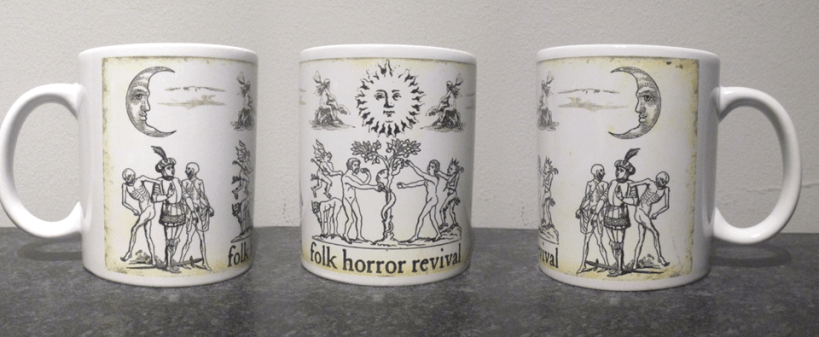
Also available ye olde Folk Horror Revival mug!! Oh, joy of joys !! 🙂

23805790_10155864059616948_980477774_n

To purchase these fine drinking vessels ~
Contact Steve via the Midnight Mugs Facebook Group
or telephone him on (UK) 07980 871 769
or email at stevie7771@hotmail.co.uk

Mugs are £6 each + postage at cost..

UK postage is £4  for 1-4 mugs (2nd class signed for)

5+ mugs is £8 postage.

Contact  Midnight Mugs for information regarding Overseas shipping

Payment by PayPal preferred.

24130230_10155883208176948_5891266257281957438_o.jpg