The Watkins Book of Urban Legends by Gail De Vos: Book Review

The Watkins Book of Urban Legends by Gail De Vos: Book Review

Before I get to the book, indulge me in a little waffle about the subject matter … I first became aware of Urban Legends … Friend of a Friend Tales … Whale Tumour Stories … Contemporary Legends … call them what you will at a very young age. I was a monster kid into horror films and scary stories (think Mark from Salem’s Lot) so anything that stirred my morbid curiosity has stuck in my mind. The first examples I remember hearing are variations of those covered by Gail De Vos under the banners of ‘The Boyfriend’s Death’ and ‘The Babysitter and the Man Upstairs’ (the version I recall hearing of the latter distastefully and disturbingly added the extra grotesque detail of a cannibal with Down’s Syndrome!).  But I had a distance from these stories as they weren’t told with any degree of association (ie. happening to a ‘friend of a friend’) just as scary … possibly true (?) stories. Locally there were several variations of the ‘Bloody Mary’ recital and invocation of malign presences stories – a couple I’ve mentioned on my Northumbria Ghostlore Society blog … Jenny Cut-throat’s Grave and The Devil’s Stone but I would have been about 13 years old the first time I heard the term ‘Urban Legend’.

At school I would have the tactic of sometimes getting out of classwork by sending the teachers off on tangential conversations. This occasion was I recall a Religious Education lesson and somehow I had ended up telling the teacher and class a story I believed to be true. It would have been about 1986 and the largest shopping mall in the area, the Metrocentre at Gateshead, Tyne & Wear, had just opened. I cannot remember who it was, a friend of my elder sister’s perhaps or a relation of one of my mother’s friends maybe – but anyway nobody I directly knew but this time it was a specific place familiar to me, so in my mind it must be true. Anyway the tale goes as follows. A woman had been shopping alone in the Metrocentre and she was surprised to discover upon returning to her vehicle in the carpark that a woman was sat in the passenger seat of her car. The woman explained that she was feeling ill and upon discovering the car door left open had taken a seat in the vehicle. She asked the driver whether she would mind taking her home, it wasn’t far and she did not feel up to waiting for a bus. The driver agreed but asked the woman if she’d mind getting out of the car to help guide her whilst she reversed the vehicle out. The passenger complied and as soon as she was out of the vehicle the driver hastily locked all the doors and drove away abandoning the other woman. When the driver got home she noticed that there was a plastic bag tucked under the passenger seat. Gazing inside she discovered men’s clothing … and an axe!!
My teacher informed me that the story was not true and that she’d heard the very same tale told about different locations in the past. She also informed me of the phrase ‘Urban Legends’.

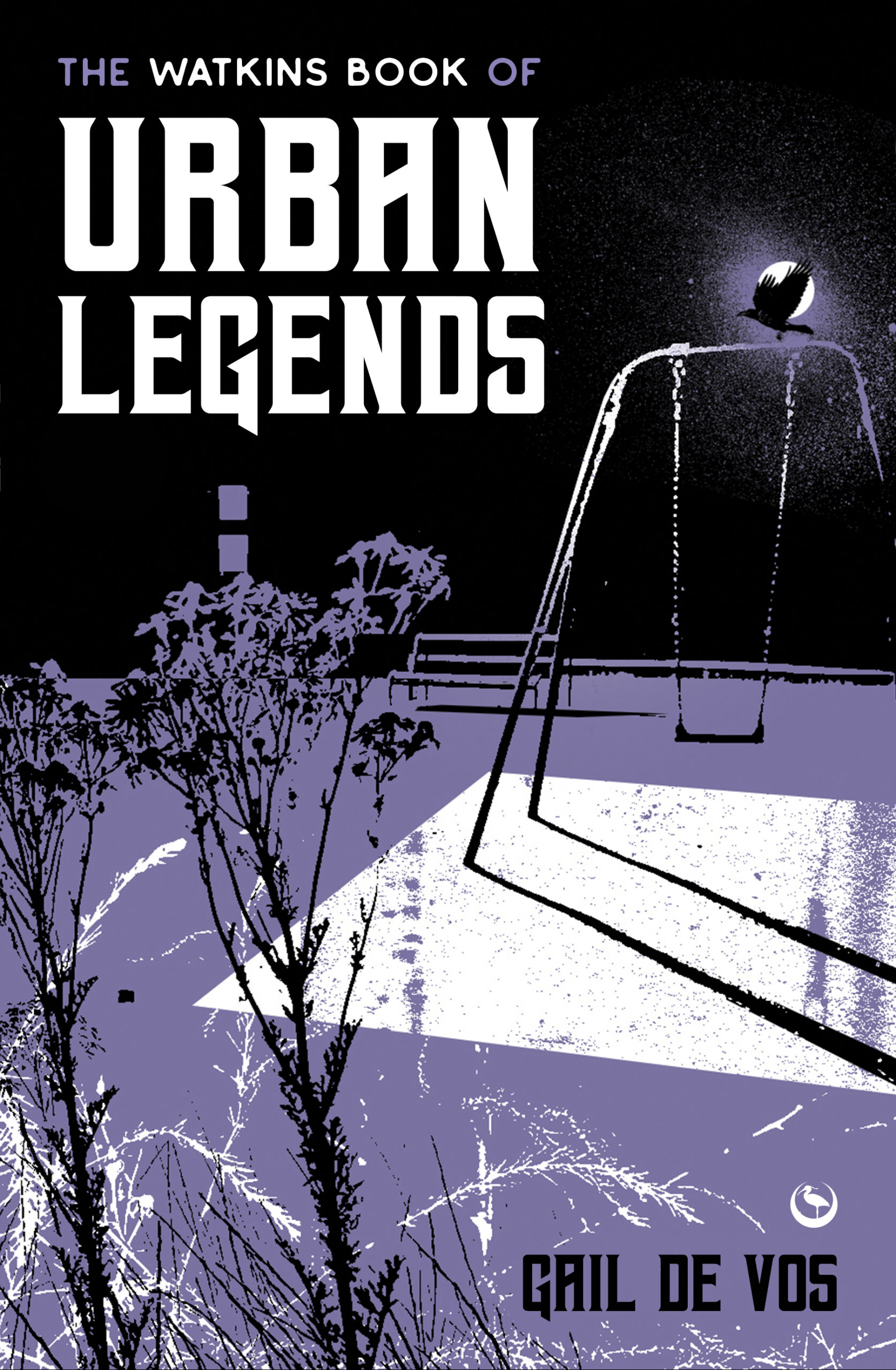
My curiosity piqued, I went to the local library and ordered books on the subject by Rodney Dale and Jan Brunvand (how I came upon the names of the books to order I cannot recall, as this was pre-internet times). The subject greatly appealed to my interests (especially the more grisly and weird stories) and has done ever since. And so when offered the chance to read and review Gail De Vos’ The Watkins Book of Urban Legends I jumped at the chance. Upon its arrival and seeing the beautifully bleak and eerie cover illustration by Shonagh Rae I was eager to dive inside.

Notably from the introduction, De Vos chooses the more accurate designation of Contemporary Legends rather then the more poetic Urban Legends, for the tales covered are not in any way confined to urbanity of any description and furthermore the material contained expands further than the Friend of a Friend Tales that generally work as a synonym for Urban Legends.

Within the pages of this charming, interesting book we find numerous familiar or classic Friend of a Friend tales as well as many examples of supernatural tales from cryptids to hauntings  and folkloric entities. The folkloric entities was of particular interest to me as they concentrated mostly on boogieman / bogey figures which is a subject that particularly inspired me to write and illustrate my books ‘Strange Lands: A Field Guide to the Celtic & British Otherworld’ and ‘Black Earth: A Field Guide to the Slavic Otherworld’ as well as illustrating similarly themed books written by Dr Bob Curran and John & Caitlin Matthews. I was really pleased to see some of my favourite bogies mentioned such as Black Annis and Jenny Greenteeth. Indeed regarding the latter water-witch or Grindylow, there are a number of them local to me – Peg Powler of the River Tees (link there to an account I wrote of a visit to one of her haunts), Nanny Longarms of the River Wear and Nanny Powler of the River Skerne. I discovered these creatures through reading folklore books rather than hearing about them as direct warning tales as a child. It was rumours of quicksand and undercurrents plus not being able to actually swim anyway that stopped me wandering into river depths as a child. So I do wonder if tales of them are still being told as warnings to children today … I’d like to think so.

But kids of today are very capable of creating new monsters for the 21st Century and I found De Vos’ sections on toilet ghosts, Creepypasta and internet challenges  very interesting and a great coverage of evolution of contemporary legends. Except for a few tragic and horrific ostension cases involving the creepypasta (copy and paste replacing the oral tradition to some extent) creation the Slenderman, it seems that the greater panic surrounding such phenomenon as the Momo Challenge have been amongst adults rather than the kids.

Regarding the ghost section I had the odd shiver down the spine sensation of being either part of the Friend of a Friend Tale or involved in ostentation whereby folklore becomes fact … In the section of Haunted Tunnels I saw a familiar place mentioned, although much of the book, though international in scope, has a predominance of American locations and of De Vos’ homeground of Canada (the Canadian entries I found intriguing as many other books on the subject do centre strongly on the USA) … but the place in question was Whitby in North Yorkshire. Regarding the Screaming Tunnel there, I was aware of its eerie reputation prior to my extremely odd walk in the Whitby fog one winter’s night whereby I had a strange experience, but my hairs rose on my arms when De Vos returned to Whitby some pages later to tell the tale of a sunken bell. I did not know of this story but again to return to a post on my Ghost blog I actually had an experience pertaining to this on that same very strange night. My experiences can be read Here … So the unexpected personal association gave the book an extra frisson for me.

Another valuable entry to the book is the coverage of another associated phenomenon to Contemporary Legends, that being Conspiracy Theories. Whilst Conspiracy Theories are nothing new, the age of the internet and viral transmission of information has caused this area to spread far further and to be believed by far more people than ever before. The period of Covid19 lockdown particularly saw a rise in stories and theories. But as De Vos acutely stresses at the conclusion of the Conspiracy Theories chapter this area is not a finished story … indeed had there been a little while longer before going to print, there may have been a section relating to the legend (spread further ‘on TV’ by a former US President and current presidential candidate) that immigrants to the USA are “… eating the ‘dawgs’. They’re eating the cats. They’re eating the pets” – (A similar story I recall hearing whenever a new foreign food fast food restaurant opened locally when I was a child).

And with that takeaway, in conclusion Contemporary Legends are clearly alive and well (although their story protagonists frequently aren’t so healthy) and will continue to evolve and provide us with numerous occasions to shake our heads, roll our eyes and say well that can’t be true … can it?

And in the meantime to bring us up to speed on what was rumoured before either in hushed playground whispers or amongst the deafening internet chatter, The Watkins Book of Urban Legends is a wonderful, entertaining and informative guide to those sad and strange circumstances that befell friends of friends …

The Watkins Book of Urban Legends will be released on 12th November 2024
https://watkinspublishing.com/books/the-watkins-book-of-urban-legends/

Review by Andy Paciorek. Originally published at
https://uncannynoir.blogspot.com/

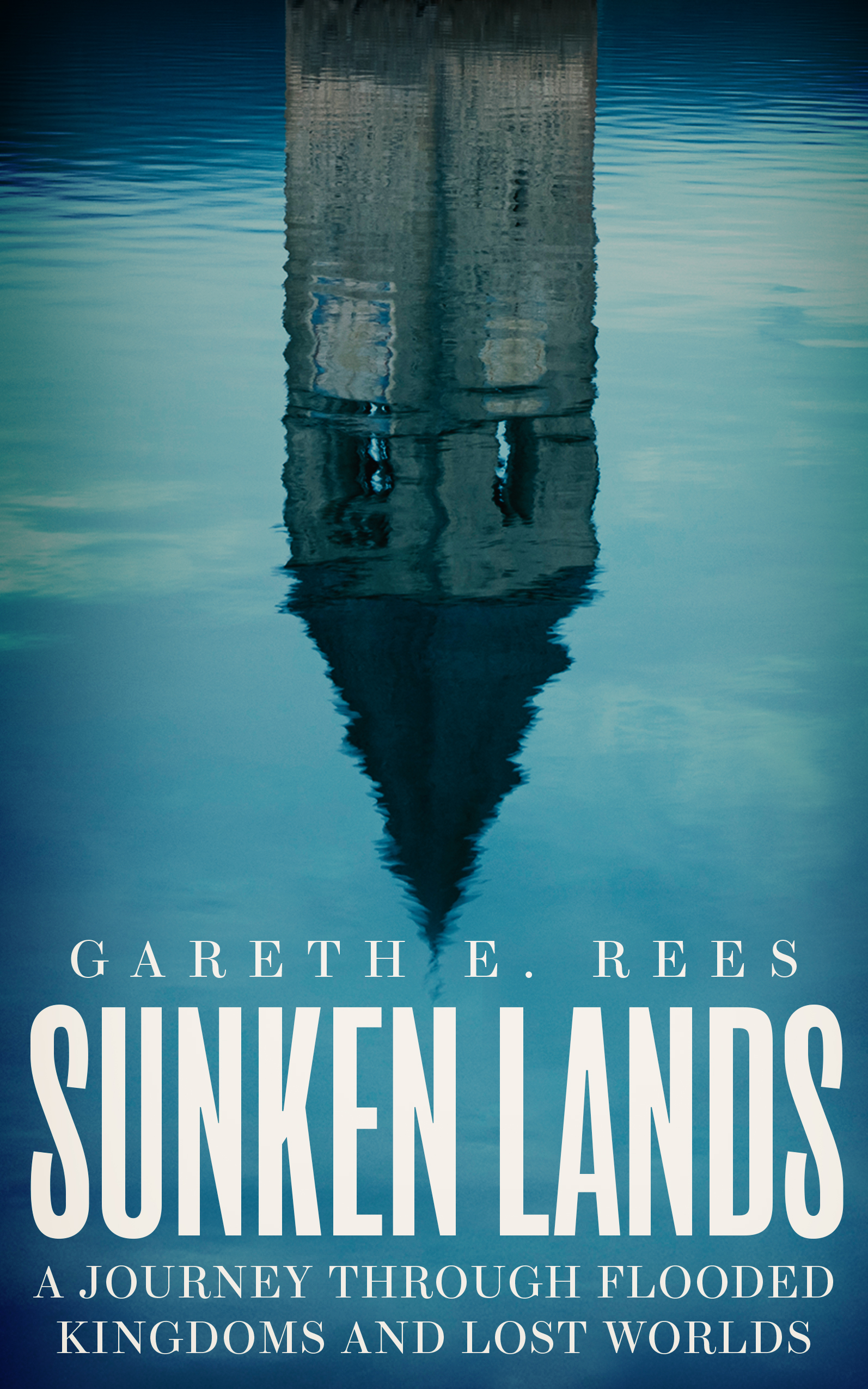
Sunken Lands: A Journey Through Flooded Kingdoms and Lost Worlds by Gareth E. Rees: Book Review

Sunken Lands, the new book by Gareth E. Rees may be one of those that forms a quandary for bookshop staff – just what shelf should it be placed on? For within its pages it covers a wealth of terrain (mostly of the moist or entirely saturated variety). Is it a folklore and legend book? A travel and history book? Psychogeographical philosophy? Natural History/Conservation? Occulture and Mystery? Part-Memoir? It is a blend of all these things, but it is a smooth fusion rather than hotch-potch. If pushed I would place it on the Environmentalism shelf I think, for its core I feel is Rees’ interest, anxiety and contemplation of the lands lost to the waves, those currently in that flux and those destined to sink beneath the sea. As such it won’t be a book that is favoured by Climate Change deniers (but in that particular demographic there seems to be an intersection of those that would tend to ban books rather than read them). But it is not a dry book, well considering the subject matter, it couldn’t be – but delivers the concerns in wide contemplative arcs. The chapters begin with flood myths and legends of varied cultures and then in an apt rendition of the psychogeographical wandering term ‘drift’ into diverse topics and places. So within its pages we encounter sunken forests and towns, places smote by the wrath of the gods and dwellings that battle whenever heavy rains fall or the waves rise.
We are taken to various places, some accessible still and visited in person by Rees and others that are lost to people but home now to aquatic life and others still whose existence is either folk-memory or from the depths of the imagination. We are taken to the Lowland Hundred of Wales, the ruins of decadent Baiae in the shadow of Neapolitan volcanoes, the lost worlds of Ys, Lemuria, Lyonesse and of course Atlantis. We witness the tragedy of New Orleans in the wake of Hurricane Katrina and of the Pacific islands encroached upon by the rising ocean. For company we travel with such diverse figures as David Bowie, Francis Bacon, Madame Blavatsky, Mark Fisher, numerous indigenous societies, Edgar Cayce, Sun Ra, Lord Krishna, Voodoo Queen Julia Brown, Hawkwind, Aleister Crowley (He whom seems to get everywhere!) and many more beside. Mostly though we are in the company of Rees himself, whose presence is integral in the book for you can tell that this isn’t just something he thought would be interesting to write about, but something that he personally feels very deeply about.

Sunken Lands: A Journey Through Flooded Kingdoms and Lost Worlds

By: Gareth E. Rees

ISBN: 9781783967698

eBook ISBN: 9781783967704

Cover: Hardback

Published: March 21, 2024

Size: 216x138mm

Page Count: 272


Reviewed by Andy Paciorek

Dark Folklore: Book Review

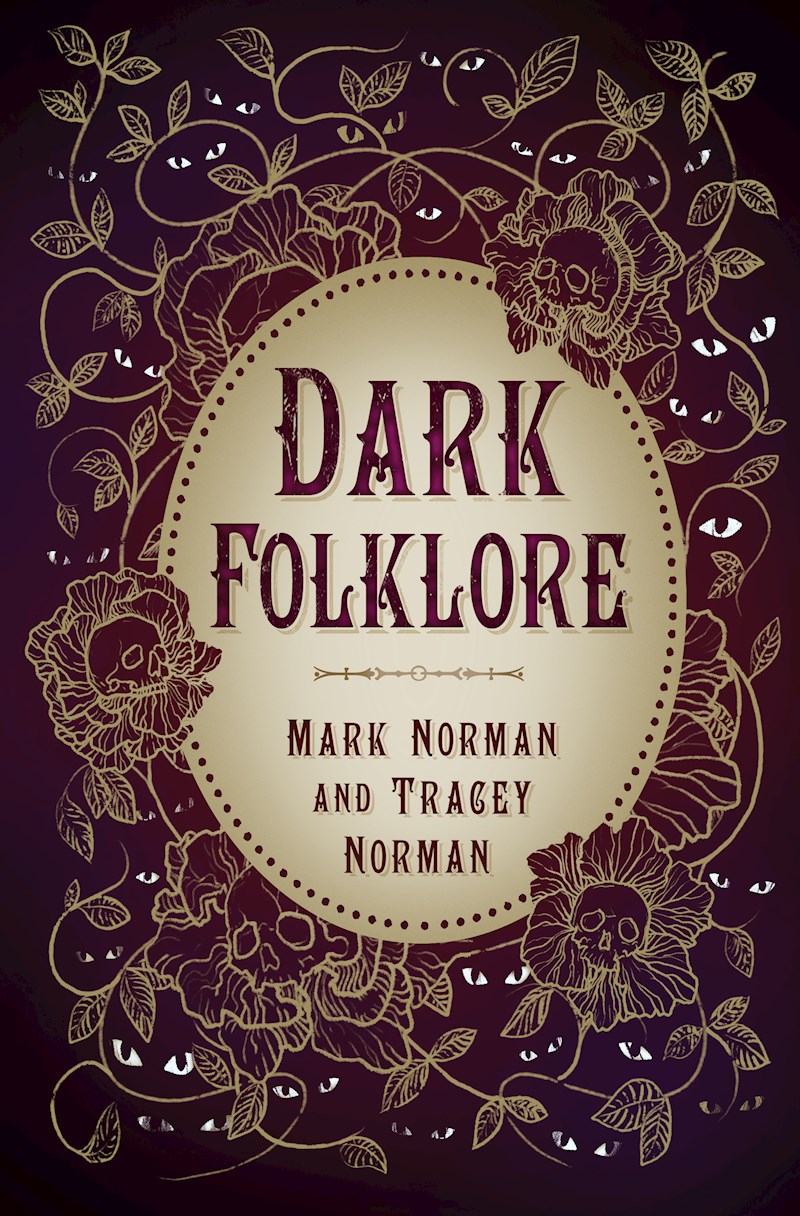
Upon hearing of the release of Dark Folklore by Mark and Tracey Norman, I was beguiled as to what Chthonic treasures the book would contain, for there is certainly darkness a ‘plenty to be found within the world of folklore. Upon opening the book and casting my eyes over the contents listing of the 5 chapters offering a bewitching array of lore with Fortean interest, the first chapter The Old Hag: Folklore and Sleep Paralysis was of particular personal intrigue to me, having experienced numerous incidents of this bizarre state myself. The Normans provide a very good overview on the subject covering the bases of superstition, psychoanalysis and scientific rationale. Presented are numerous entities associated to the Hag-riding phenomenon aspects of sleep disturbance in world folklore, from the Hungarian Liderc to the Arabian Quarinah and the Alien Greys. The authors put forward balanced and insightful consideration of the subject, without judgement. They explain the medical processes of such unsettling experiences but don’t merely dismiss the entities envisioned rather questioning why a feeling of somnolent physical inertia and laboured breathing (amongst other symptoms) can result in visions of old crones or other strange entities squatting on the sufferers’ chests or dark mysterious figures lingering in the corners of the room. Archetypal consideration is applied here, as is the rich folklore of myriad nocturnal entities that can be found across the world in both developing and more technologically advanced societies. (An unsettling folkloric belief, not mentioned within this book, was told to me by a Filipina associate who claimed that the Batibat, an entity associated to the strange hypnagogic / hypnopompic episodes is believed in her culture to be the ghost of someone who had died in their sleep). 

Chapter two deals with The Dark Church and covers wide-reaching examples of association mostly between the Christian church in Britain and superstition and pagan influence. Discussed are foliate head and Sheela-na-gig carvings, St. Mark Eve vigils (whereby observers may see a procession of those destined to die in the following year and other wondrous delights. Here we wander down corpse roads and meet the priests of Devon who reputedly employed rather than denied folk magic. The magician-priests included Reverend Franke Parker who lore declares had the power to shape-shift and had an esoteric library that he was deeply protective of. The peculiar Parson Parker was reportedly once found at rest in a bed surrounded by dead toads.

Folk Ghosts provide the focus of the third chapter and considers the distinction that should be made more in haunt studies between ghosts that exist purely in lore and those reported to have been experienced by verifiable witnesses. Many places are said to be haunted by a phantom stagecoach or phantom black dog for instance, but how many have known contemporary witnesses of the particular phenomenon? ‘Cockstride ghosts’ – the spirits of those destined to perform some impossible or potentially eternal penance for an earthly crime are also given good attention. Weaving rope from grains of sand or emptying large pools with a leaking diminutive vessel are examples of such posthumous burdens that may befall wicked souls.

Following on in Chapter four we are entertained with Urban Legends and contemplation of their history, endurance and evolution from the era of Spring-Heeled Jack through the Edwardian case of the Cottingley Fairy photographs, to the radio and televisual panics of the broadcasts of War of The Worlds and Ghostwatch to the virtual ‘fakelore’ creations taking on a real-world presence and influence in the digital-age such as Slender Man and the Momo Challenge, perfectly showing that folklore is not simply a historical study but a living, developing part of human culture.

Dark Tourism and Legend Tripping provide the basis of the fifth and final chapter. Here, Mark and Tracey turn tour-guide and lead us to some intriguing and odd international locations and contemplate why people may be drawn to visit places of grisly repute, to witness rituals alien to their own cultures or to even re-enact certain strange historical happenings. Included here are Aokighara – the notorious ‘suicide forest’ of Japan, the Black Mausoleum of Edinburgh’s Greyfriars cemetery which bears reported activity by the Mackenzie poltergeist and the ghost tours of the Ararat Lunatic Asylum in Australia. Also covered are the death rites and rituals such as the Torajan Ma’nene funerary customs in South Sulawesi, Indonesia and the Día de los Muertos (Day of the Dead) celebrations in Mexico. Quite a lot of lore is surprisingly covered within this relatively thin and rather charming, attractively presented book. Subjects however are frequently given a satisfying amount of considered attention rather than being skimmed over but other examples are mentioned in passing which can whet the reader’s appetite for further research. The allocation of five chapters also works well here, giving the book a tighter focus whilst still treading a lot of ground and providing plenty of scope for possible further volumes in the series, which personally I’d be keen to read.

Dark Folklore
Mark Norman & Tracey Norman http://www.thefolklorepodcast.com/
The History Press (2021)
Hb. 174 pp.
ISBN 9780750998

https://www.thehistorypress.co.uk/publication/dark-folklore/9780750998017/

Review by Andy Paciorek. First Published in Fortean Times magazine

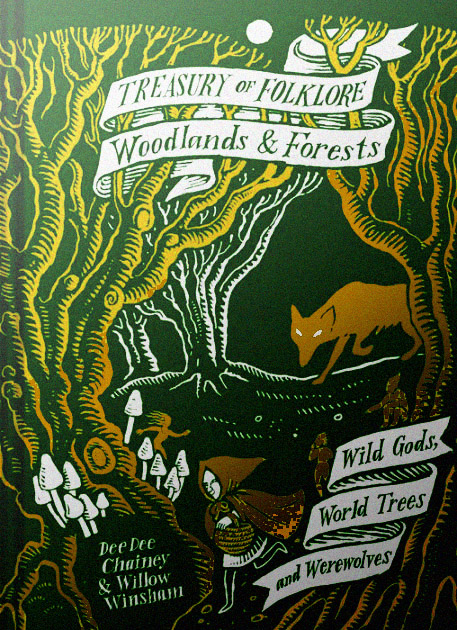
Treasury of Folklore: Woodlands & Forests: Wild Gods, World Trees and Werewolves by Dee Dee Chainey & Willow Winsham – Book Review

Following in the footsteps of the Treasury of Folklore: Seas & Rivers: Sirens Selkies and Ghost Ships (Reviewed Here ) folklorists extraordinaire Dee Dee Chainey and Willow Winsham (the masterminds behind the #FolkloreThursday social media phenomenon) take us by the hand now like babes in the wood and lead us … er … into the woods! But fear not, you could find no better guides to alert us to the wonders and the woes of this strange sylvan kingdom.

Within its pages, upon the paper that came from the woods itself, we are introduced to many amazing arboreal creatures and woodland wanderers from forests the world over. Some of them heroes and heroines like Vasilisa the Beautiful, a fair maiden who braved the cold Birch forests of old Russia and encountered one of folk horror’s favourite supernatural witches – the iron-toothed crone, Baba Yaga, and Paul Bunyan, the giant lumberjack of the North American timber lands & his loyal companion the blue-haired moose, Babe. We encounter strange creatures such as the timid Squonk which upon capture would dissolve into nothing in a flood of tears and the human-faced tree dogs of China – the Penghou. We meet gods and demi-gods and elemental spirits of the wild woods – the Leshy, Hamadryads, Herne the Hunter, the Moss People and many many more. We encounter those denizens of dark woods for centuries – the bears and the wolves, yet these bears and wolves may be more than we dreamed and may disturbingly be more like us than we’d dare to imagine.
And we hear the lore of the trees themselves from the Dragon’s Blood Trees of Yemen to the ancient funereal Yews of Britain; from the sacred Banyan trees of India to the giant old Cedars of Canada.


The book is illustrated throughout by the charming block-print style illustrations of Joe McLaren. Images both dark and strange but with a quirky humour to them, which will likely appeal to readers of a wide age-range. Again as with the Seas and Rivers volume, some adult subject matter is touched upon but with parents’ own discretion and judgement I could see this book being popular with both themselves and their kids. I know I would have loved these Treasury books as a youngster. Furthermore I remember years ago when I was doing Tree Warden training at an agricultural college one of the tutors asked the class what it is we liked or indeed loved about trees and forests. I had numerous reasons, their role in the environment and natural habitat, their look both as pleasing landscape and for their interesting aesthetic from the point of an artist, their smell, their ambience and I also mentioned their role in folklore. At the end of the class another student approached me and asked if I could recommend any books that featured the folklore of trees and had Dee Dee and Willow’s book been available then I know it would have been top of the list. It is a great introductory book to the topic, yet it is also so diverse and so widely researched that all followers of folklore no matter how seasoned will find something unfamiliar or of further intrigue within this beguiling little book. I myself was rather bemused to encounter Tió de Nadal, within these pages. If unfamiliar with this bizarre Yule Log of Catalan tradition, then I’ll say no more and let you discover this rather odd custom for yourself within this fantastic book.
Woodlands & Forests makes an excellent companion both visually and content wise to the Seas & Rivers volume and also Dee Dee’s earlier A Treasury of British Folklore.
It would make a great little present for a loved one or for yourself for Halloween or a great stocking filler for Christmas … but maybe not put it in the same stocking as Tió de Nadal !!

Treasury of Folklore: Woodlands & Forests: Wild Gods, World Trees and Werewolves.
Dee Dee Chainey & Willow Winsham
Batsford. 2021. Hb. Illus. 192pgs.

Review by Andy Paciorek


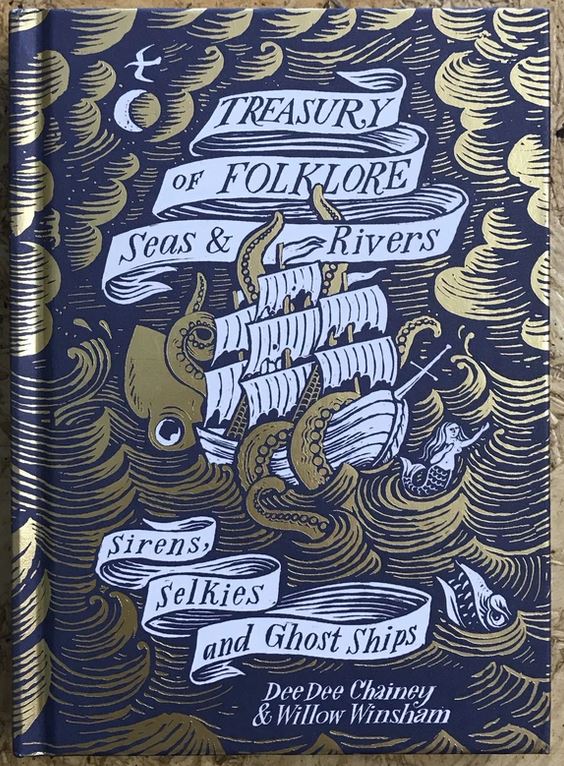
Book Review: Treasury of Folklore. Seas & Rivers: Sirens, Selkies and Ghost Ships by Dee Dee Chainey & Willow Winsham


Dee Dee Chainey and Willow Winsham, the luminaries behind the hugely successful Folklore Thursday hashtag phenomenon on Twitter, prove their own individual talents and deserved presence in the folklore world with this enchanting book which presents a collection of strange aquatic tales gathered across the ages and across the globe; varying from Mami Wata to the Mary Celeste, from The Lost city of Ys to the subterranean rivers of London. Within its rolling pages the reader encounters both familiar figures such as Hans Christian Anderson’s Little Mermaid (one of the more frankly disturbing tales to have ever have been given the Disney treatment) and lesser-known entities such as the Funayūrei – the revenants of drowned Japanese mariners who unless placated will cause harm to living souls.

Kelpies (water horses) and Selkies (Seal folk) of Scotland, nymphs, sirens, ghosts, gods and goddesses galore such as Poseidon, Sedna, Hit (the Octopus Goddess of the Caroline Islands) and Arnaquagsaq (the sea mother of Greenland) and more all appear within. Superstitions abound in the sailors’ world and this book casts a net to land numerous omens heeded when setting sail. In our voyage through calm and storm, over ocean, sea, river and lake there is a wealth to be found of subjects that have intrigued Forteans for many decades such as that zone of mysterious maritime vanishings The Bermuda Triangle (which also intrigued crooner Barry Manilow enough to record a song about it) and Ignis Faatus – the fool’s fire (also known as Will o’ the Wisps, Jack o Lanterns and by many other appellations) the lights that flicker above swamplands and marshes, and in legend are said to have led many a nocturnal traveller to their own sodden grave. Cryptids such as Nessie, Ogopogo and The Bear Lake Monster also raise their heads above the surface.

It must be noted that this book is not an in-depth analysis of any particular tales or cases and should be seen as more of a port from which readers may seek to explore further or dive in deeper to other tomes. It is however a lovely little book.

As a gift book, although there are a few adult themes which are subtly addressed, I would have no qualms about giving this work to both children and adults as a present. As a child, brought up on the Usborne Mysteries, Arthur C Clarke and varied mythology books I’d have loved it. It can be dipped into here and there or read cover to cover. It is also very charming in its presentation. It has a gilt effect cover which rather than seeming gaudy, looks quaintly magical and is illustrated throughout in a block print style by the artist Joe McClaren. I look forward to their forthcoming sylvan lore book, and hopefully more titles in a series that could prove to be a contemporary equivalent of Andrew Lang’s coloured fairy book collection.

Treasury of Folklore. Seas & Rivers: Sirens, Selkies and Ghost Ships
Dee Dee Chainey & Willow Winsham
Batsford 2021 Hb. Illus. 192 pgs.

Review by Andy Paciorek

Green, Unpleasant, Land by Richard Freeman: Book Review

Think of ‘British Horror’ and what comes to mind? In this circle perhaps your mind turns to witchcraft shenanigans of centuries past or ritual cult activity in sleepy places in more recent times. Perhaps in the wider society of horror the refined hauntings of the likes of The Innocents or MR James scholarly tales may spring to thought. Or perhaps the gothic kitsch of Hammer movies.

Within this book of 18 British tales of terror, Richard Freeman casts his net wider into scenarios and locations that have a, perhaps less obvious to casual thought but recognisably apparent when there in the moment, very British feel – the walk home from the Youth Club, a spoiled little girl’s birthday party, a country churchyard, walking the dog down near the nature reserve, a fishing excursion to a Welsh lake, the streets of London and much more besides.

Being an established Cryptozoologist and Fortean, the natural and supernatural worlds provide great inspiration for Freeman’s short stories and we see creatures from familiar and comparitively unfamiliar folklore and legend, both ancient and modern, brought to life. This could be a risky venture as fairies, dragons and unicorns for example are so well entrenched in many minds as being associated with sword and sorcery, mawkish fairy tales and flowery new age representation, but Freeman does exceptionally well in granting these otherworldly creatures a more authentically believable and gritty presence in a world we are familiar with on a day to day basis.

There is an element of the ‘kitchen-sink’ as well as the supernatural in some of the tales which does indeed give the works a British flavour. Freeman’s fairies are a tribute to Arthur Machen’s treatment of the subject, which is made clear within the tale. His unicorn is not a saccharine sweet entity but a creature of flesh and blood. There are nods to science as well as superstition within this book’s narratives. Freeman also notes his fondness for the earth-bound adventures of the third doctor, Jon Pertwee in the long-running BBC sci-fi series Doctor Who, which I think does come through in the atmosphere of some of these tales.
Creatures of British myth and of contemporary anomalous encounters such as the Lambton Wyrm of County Durham and the large hominid of Cannock Chase make their physical presence manifest and believably threatening through Freeman’s skilled and brave treatment. Some of the tales I could see working well in a TV anthology in the manner of Nigel Kneale’s Beasts. They set a scene, tell a simple tale, sometimes with twists that would satisfactorily make for effective episodes of a cryptozoological – folkloric themed Tales of the Unexpected type show.

Another point of approval I have with Green, Unpleasant Land is that each tale is accompanied by an illustration by Shaun Histed-Todd. I’m biased on this matter being a book artist, but I do really think that horror short story anthologies are given a further dimension and appeal by the inclusion of illustration.

Product details

  • Paperback : 222 pages
  • ISBN-10 : 1905723857
  • ISBN-13 : 978-1905723850
  • Dimensions : 15.6 x 1.19 x 23.4 cm
  • Publisher : Fortean Fiction (9 Jan. 2012)
  • Language: : English


For more information on CFZ press click – HERE

Book available from HERE + other bookstores

Book review by Andy Paciorek


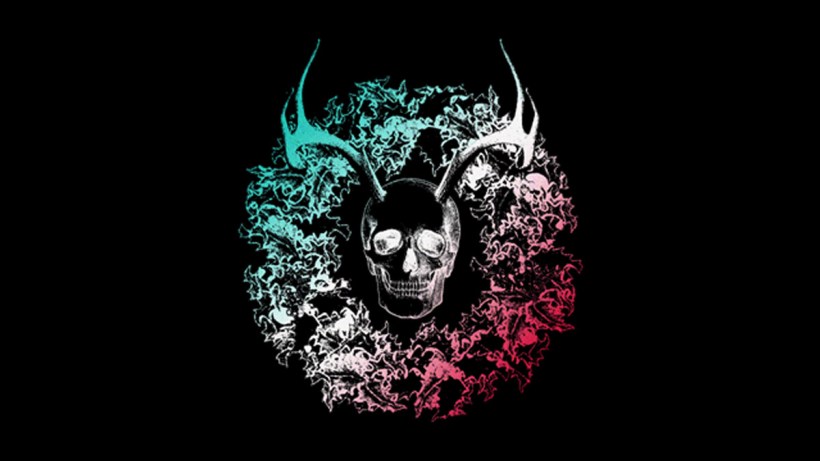
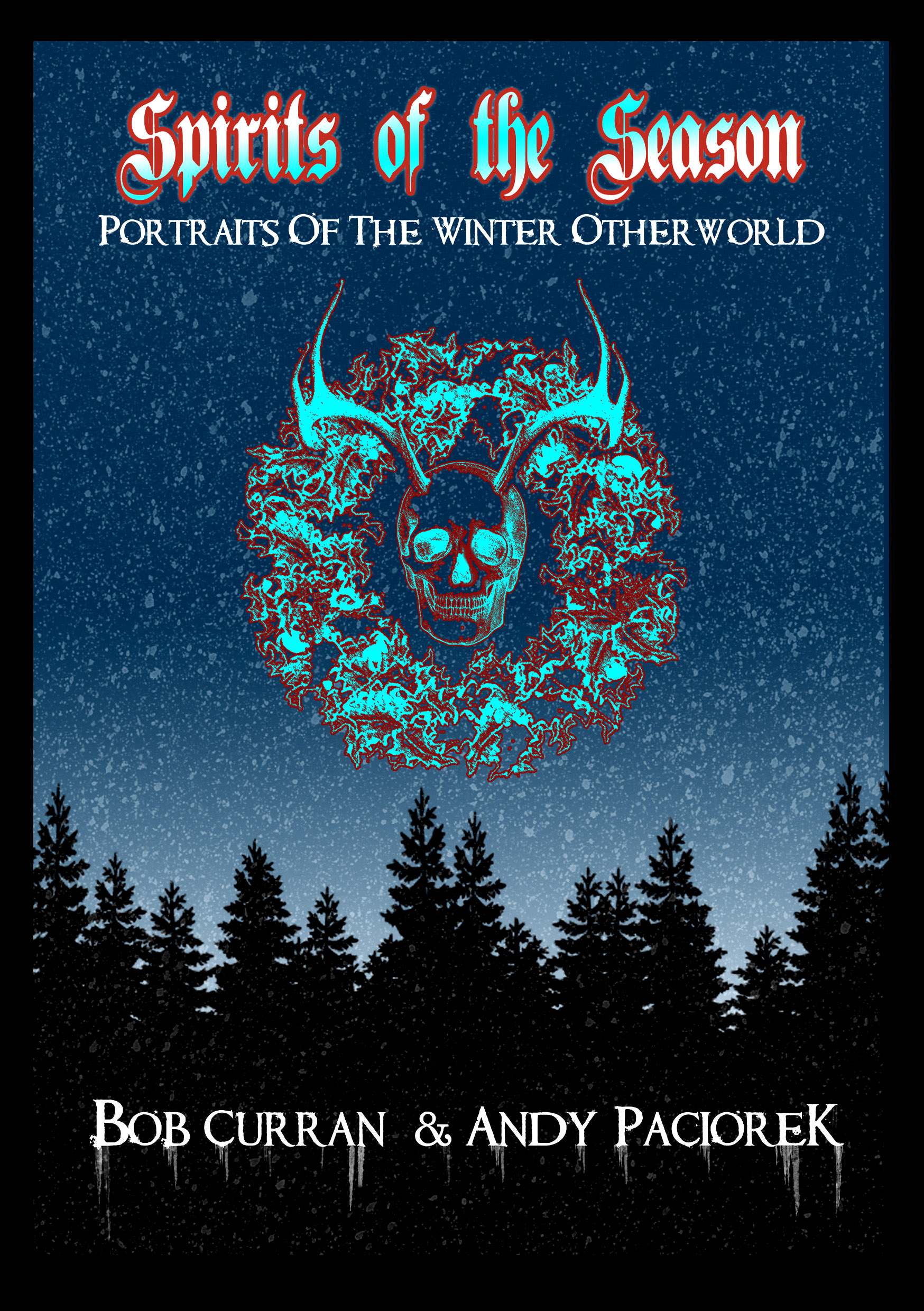
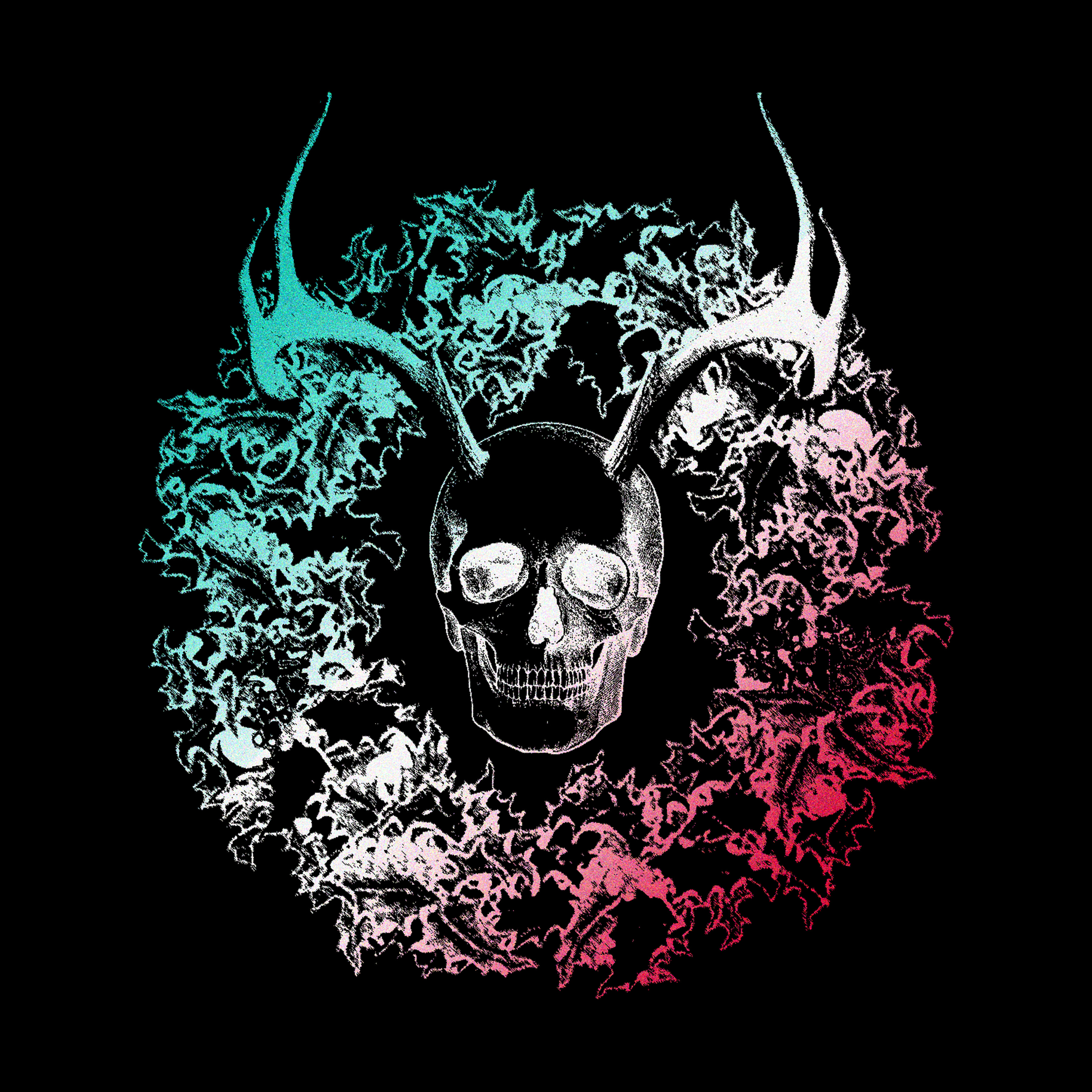
Spirits of the Season: Portraits of the Winter Otherworld by Dr Bob Curran & Andy Paciorek

Ho ho horror …
As the nights draw in and the turn of the year looms we may seek the comfort of a cosy fireside and a warming drink and think of the approach of Father Christmas … but hark … what is that noise outside, could it be Santa Claus? … or could it be something entirely different … something stranger … more sinister hiding in those cold winter shadows?
In this book Dr Bob Curran introduces us to a whole host of beguiling entities from different countries and different cultures that tread the freezing landscapes in the long nights of winter. Richly illustrated throughout by Andy Paciorek, Spirits of the Season is an ideal companion through the dark and magical days.

6×9 in, 15×23 cm
Hardcover Image wrap + paperback both available
No of Pages: 222.
Illustrated

Image
Image
Image

Available now from
~ https://www.blurb.co.uk/user/andypaciorek

and available to order from Amazon and other bookstores

Mysteries of Portsmouth : Review

matt
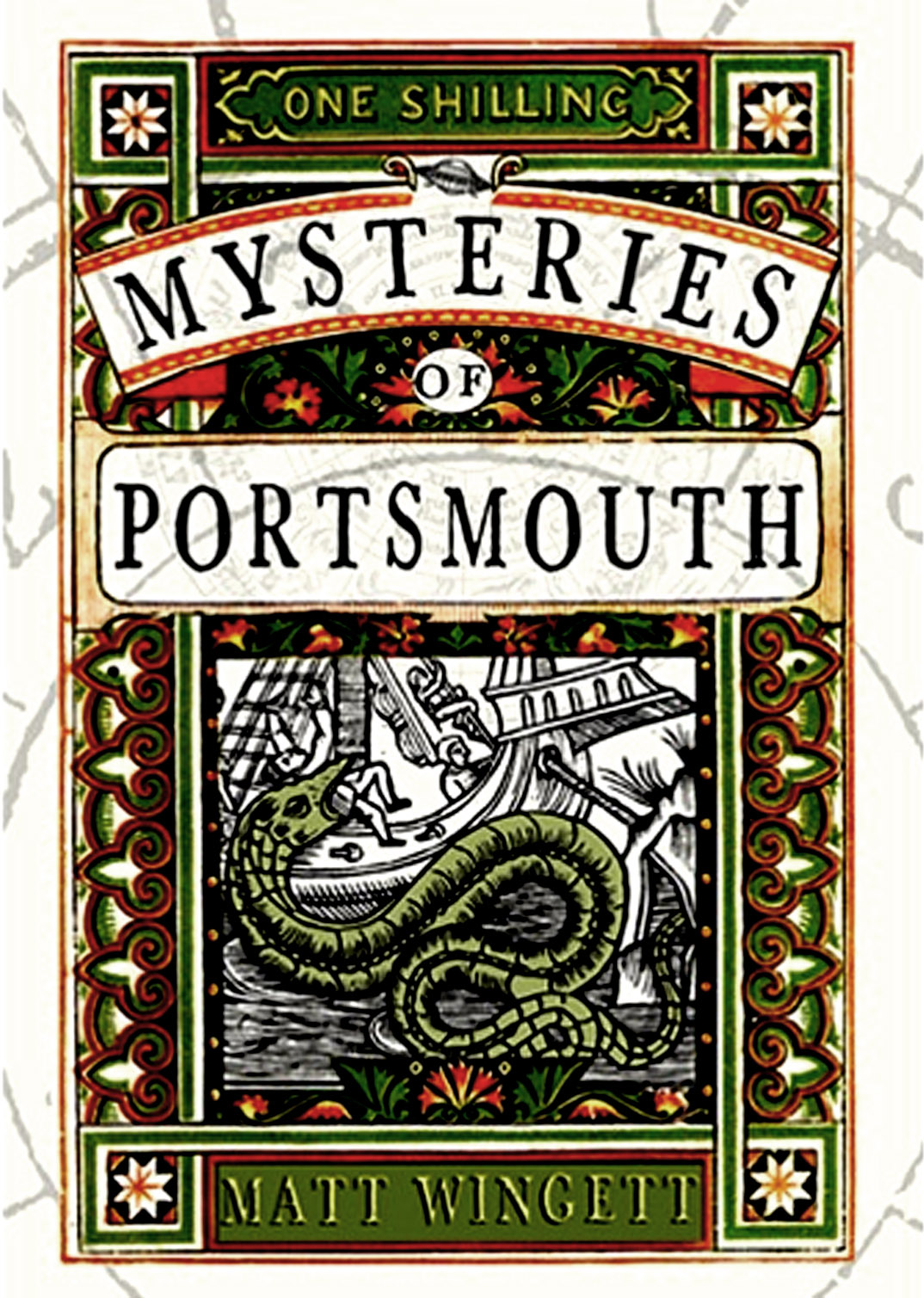
Local history books have always been a great source of folklore and Fortean material and it is always a pleasure to delve into one which concentrates on the weirder aspects of certain locales. A fine addition to the canon is Mysteries of Portsmouth by Matt Wingett.

Covering the area of Portsmouth, an island city on the south coast of England, we are of course treated to sea monsters and maritime tales but there is a wealth of other oddities that have come to haunt the lore of Pompey (as the city is affectionately known) so within its splendidly illustrated pages, Wingett treats us to UFOS, Egyptian curses, spiritualists & fortune-tellers, witches and many ghosts as well as other diverse oddities.

There is a much data covered verbatim from old newspapers which is culturally interesting to see how strange phenomenon was covered by local press in bygone times and the book will be of interest to local historians and other people from the area as well as visitors, folklorists, Forteans and other curiosity-seekers from further afield.

A thoroughly interesting, well researched and nicely presented addition to the British folklore shelves.

Available now from here – https://www.lifeisamazing.co.uk/product/mysteries-of-portsmouth-by-matt-wingett

Also available from Amazon and other booksellers

Read an Interview with the author here

New T-shirts ~ Folk Horror Revival – Winter Ghosts 2019

https://scontent-lhr3-1.xx.fbcdn.net/v/t1.15752-9/s2048x2048/70347624_355523121999042_3817249422379581440_n.jpg?_nc_cat=109&_nc_oc=AQkt5rRuU9X36BuguCcUFRmumZghFLZCLafoL9MZg7yQilhPJYUIkEqJCErfTbSZX08&_nc_ht=scontent-lhr3-1.xx&oh=4ae4791fa3ad5448d248d2caf739c983&oe=5E34E032

The official T shirt for the Winter Ghosts symposium 2019 is here !!

It Glows in the Dark!!!!

Print is a dark cream in daylight and is truly fluorescent under UV light. Once charged they glow an eerie green.

T shirts are black, universal, round-neck Ts.

Designed by our very own Cobweb Mehers​ of Eolith Designs

https://scontent-lhr3-1.xx.fbcdn.net/v/t1.15752-9/s2048x2048/70250807_952633421736809_7445152999606845440_n.jpg?_nc_cat=110&_nc_oc=AQlbSf4g-r-XXZoiyLI3oyB7wS8QID3noWWesNm-uTNBF-LHpBmO0_j7lJ4MtmZNgCI&_nc_ht=scontent-lhr3-1.xx&oh=4efed6cbbbe9ae79a971d92f2d6c9bed&oe=5E35B8A6

Printed by Tyrant Design & Print

http://tyrannical.co.uk/
https://www.facebook.com/wicked.tyrant/

Image result for tyrant design and print

Sizes currently available:

4 x M
7 x XL
10 x XXL

UK Pricing
£15
P&P – £6

USA Pricing:
$19
P&P – $7.50

https://scontent-lhr3-1.xx.fbcdn.net/v/t1.0-9/70446546_10212075378839281_1315167424676364288_n.jpg?_nc_cat=111&_nc_oc=AQku0kh2yp6kvWOfBdbc0MjNaXXs_7bY9hIkv0QCm6fLBiPXO8mpb1gl4kL1zdW0AME&_nc_ht=scontent-lhr3-1.xx&oh=8b902ab32e3485aa0375531dd9446cf4&oe=5E3BD385

To Purchase – email Kt for more details

at –

shekinah0711@talktalk.net


Folklore Thursday: Harvest Spirits ~ Black Earth

In the autumnal glow of Folklore Thursday’s Harvest theme, here are a few Slavic spirits of the grain

POLEVIK

Polevik

(Also known as Polewiki. Polevoy. Polovoi.)

The Polevik is a strange spirit of the grain fields. they are usually masculine though some accounts mention females and children of the species. The Polevik is described as a rugged dwarf with dark earthy skin and grass for hair. They are frequently dressed in white and each of their eyes is a different colour. It is sometimes claimed that their feet are cloven like those of goats.

When in a jovial mood, Polevik may amuse themselves by killing wild birds or by causing travellers to become way-led and confused in surroundings which may normally be familiar to them. In their more aggressive moods, which accounts for most tales about them, they are violent, dangerous creatures.

They do not like idlers, and lazy field-workers may be lucky just to receive a hefty kick from a Polevik, for if they chanced upon someone drunk and asleep in the fields they would strangle the person to death. Like the Rye Wolf and the Poludnitsa, tales of the Polevik may be told to children to stop them playing in the cereal fields and risk damaging valuable crops, but legitimate workers may too feel ill at ease working with a Polevik presence looming. Therefore it was hoped that they would be appeased with an offering of two eggs and a cockerel that could no longer crow, placed in a ditch alongside the field. The Polevik were most active at noon and dusk, so it was desirable not to be in the fields at those times.

It is said in Russia that the Polevik shrink to the size of chaff or stubble when the harvest is nearly complete and will hide in the last few stalks and be taken in to the sheds. As it is also claimed that the Polevik causes disease amongst those who displease him, it is possible that he is symbolic of Ergot fruitbodies. Ergot (Claviceps purpurea) is a fungus that infects cereal crops, especially Rye, sometimes with calamatic effect. Whilst its hard dark purple fruitbodies are quite apparent it can still get get into the food supply as it is not noticable when ground and cooked. If ingested by people or animals it can result in poisoning called Ergotism. Rather than kill the toxicity baking the grain may strengthen the effects.

https://pbs.twimg.com/media/DhVZfpjW4AASbWh.jpg

Rye Mother

(Also known as Rye Grandmother. Rugia Boba. Zalizna Baba. Rzhana Baba. Zhytnia. Zalizna Zhinka – The Iron Woman.)

The concept of a Corn Mother was prevalent in the faiths of many cultures across the world. She may have often had a dark side relating to her association with the natural cycle of life, death and rebirth, yet in Slavic and also Germanic lore her sinister side is most prevalent.

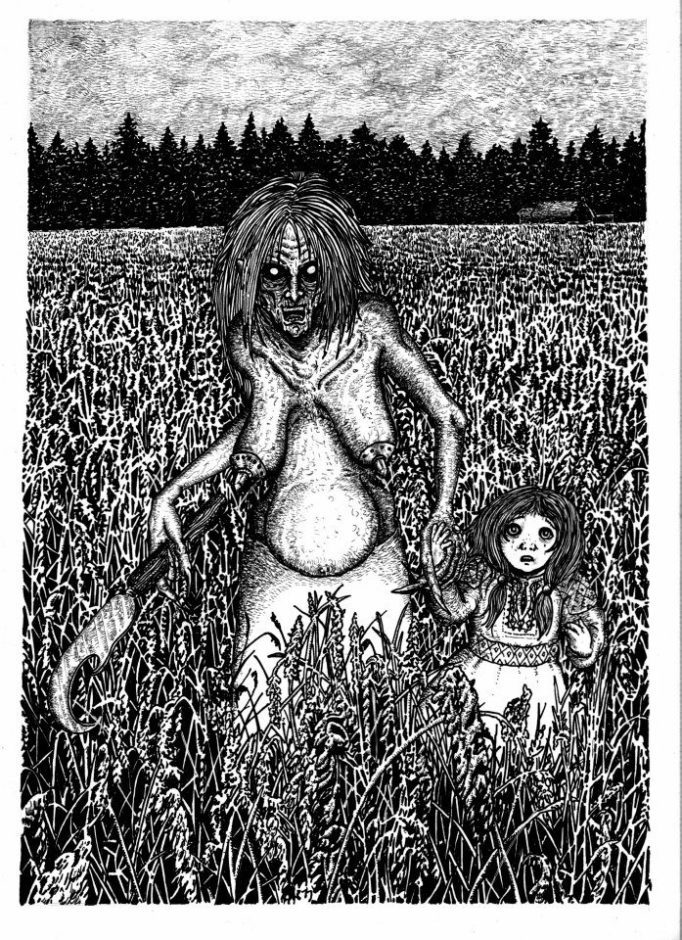
Manifesting as a sinister old crone, she hunts for children with her iron hook, and once captured she will take them to suckle upon her iron breasts, yet it is not white wholesome milk that the children will drink but black poison that will sicken, madden and perhaps kill them. In this dark aspect she is not the personification of the nourishing grain but perhaps the embodiment of the toxic fungi, Ergot (see also Polevik).

Whilst the causes of Ergotism or Holy Fire were only officially recognised by science in the 16th Century, it can be assumed that peasants whose lives depended on the land would have known the cause and effect of the dark smut growing on their crops, if only by the resulting condition of the consequences of their livestock having eaten infected grain. Superstition may have also developed blindly around Ergotism as when cooked in human bread it is not visibly discernible. Obviously good grain would be used in favour of bad, but in hard times it may be a choice of either starvation or eat infected crops – damned if you do, damned if you don’t. Alas in bad weather when yields may be low already, the climatic conditions are also better for Ergot to grow. In the Little Ice Ages (1150-1460 AD and 1560-1850 AD) ergotism outbreaks were prevalent across Europe. In Russia in 1926-27, approximately ten thousand people were reported with Ergot poisoning

Also in harsh times wolves may be more inclined to move closer to human habitation, if coupled with the hallucinatory effects of the Ergot, then it is possible to see how tales of werewolves may have evolved, it is noteworthy that Rye also has a supernatural association with wolves and in some regions the Rye Mother would be accompanied by a wolf. Ergotism outbreaks have been debatably associated with the Witchcraft panics in various countries, though the ‘Burning Times’ never really descended upon the Slav countries, though witches were certainly not unknown there. Ergot may be associated to the Witch-like figure of the Rye Mother by a number of factors. The word Baba means both the last sheaf of crop and witch. Her hard dark poisonous nipples may be indicative of Ergot fruitbodies and ergotism can be transferred to a child if the mother’s milk is infected. Also the decrepit Rye Mother may be seen as a failure of fertility, both in the crop and in people, as Ergotism can also cause infertility and can cause abortions of foetuses, indeed it was used deliberately in folk and traditional medicine for this purpose.

https://i2.wp.com/greydogtales.com/blog/wp-content/uploads/2017/09/254000_10150232008071952_4778841_n.jpg

Poludnica

(Also known as Polednica. Pryzpotudica. Psezpolnica. Polednice. Poludnitsa. Pudnitsa. Pscipolnitsa. Potundiowka.)

Known across the Slavic countries and neighbouring territories from Siberia to Moravia, the Poludnica is the Midday Spirit or Lady Midday that brought terror to the people. Because of her strong affinity to the fields and the assertation that in some regions she manifests as an ugly old hag, there may be association between the Poludnica and the Rye Mother; however she is also reported to assume the form of an adolescent girl with a whip whose lash will lead to a short life. More frequently she will appear as a tall, beautiful woman dressed in a white cloak or gown brandishing a scythe, sickle or shears. Her beauty however may only be skin deep as there is a cruel streak to her nature, yet ironically her presence is in some regions deemed healthy to the vitality of the crops.

The Poludnica deems that noon time is sacred to her to wander the fields and should she venture upon a man whom is not taking rest at midday, she will pull their hair and tickle or twist their necks, if they do not desist working there and then and return home she may continue tickling them until they die or strike them down with madness. For this reason she is considered the embodiment of sunstroke.

Yet in some regions there are other bizarre and sinister tales told of the Poludnica. If the weather were stormy she would sometimes suddenly appear in the peasants cottages; the uncomfortable inhabitants would have to sit out the storm on their very best behaviour lest they offend their strange, uninvited guest.

She may also appear in a sudden gust of wind or dust storm and kill anyone in her path, or approach people and ask them questions or riddles and if their answer is not to her liking she would inflict them with illness, misfortune or insanity.

At other times she would either lure children to become lost in the grain fields or kidnap ones who have been left unattended at harvesting time. She would sometimes also kidnap women in childbirth and keep them captive for a year, or assault women and children who were not at home at noon. In parts of Poland she was said to hunt down the children and women with a pack of seven large black dogs. She was often utilised in the words of parents to stop their children wandering in lonely places or strong sunshine, to keep them away from valuable crops and if they were generally being naughty – “Behave or the Poludnitsa will get you!”

from Black Earth: A Field Guide to the Slavic Otherworld by Andrew L. Paciorek

Image result for paciorek poludnica

Available to purchase from – https://www.blurb.co.uk/user/andypaciorek