Having written and/or illustrated several myself it is fair to say that I have a soft spot for encyclopedias / guides to folkloric entities and beasts, especially the darker beings. Folklore is such a vast and diverse field and unless you are multilingual so much of it still remains hidden from many readers. Therefore it is a welcome treasure for me when English language tomes covering creatures from the lore of different cultures becomes widely available. Khanna and Bhairav’s book is such a treasure – especially as it caters to my other book bias in being illustrated throughout. And though the mysterious ‘they’ say never judge a book by its cover, the sleeve design of this book is beautiful making it a pleasure to hold and behold even before it is opened.
Airi. Illustration by Appupen (George Mathen)
Many examples the world over display that folklore and its entities can be pretty darn weird and Asian lore certainly excels in those stakes. Japanese lore of Yurei (ghosts), Yokai (demonic spirits), Tanuki (racoon-dogs with huge testicles) and many other denizens of night parades and kaidan (ghost stories) are relatively well known in the west but India’s otherworldly beings, despite being as rich and weird and despite the familiarity of the pantheon of Hindu gods and goddesses, are a lesser known gathering. Khanna and Bhairav have worked hard and done extremely well to bring a multitude of spectres and monstrous creatures to a wider audience. They have scoured the subcontinent and surrounds including not only India but Afghanistan, Tibet, Nepal, Pakistan, Bangladesh, Myanmar, the Maldives and Iran, and the various religions, folktales and superstitions of these areas and across the ages in their bid to assemble an A to Z of bizarre beasts and malign entities.
Baak. Illustration by Shyam Sankar.
Though I was previously familiar with Naga, Kali, Dev, Blemmyae, Gog & Magog, Rakshasa, Chudail, Yeti, Jinn, Manticore and Bhuta the vast majority of this chunky book was a revelation to me. Between Aavi (a mist-like, mournful ghost) and Zunhindawt (an entity that possesses people compelling them to drink from puddles of urine!) writhe hundreds of pages devoted to incredibly strange and frequently sinister specimens. Contained between the covers are such strange individuals as the Moila Deo (a spirit of jealousy manifest as an ash-coloured dwarf with long dirty hair), the Than-Thin Daini (a disembodied head of a witch that eats the entrails of sleeping people), the Ghorapaak ( a shapeshifting devourer of fish and murderer of fishermen), the Rav ( a creature that comes into existence should seven tigers die at the same moment and which causes its victims to vomit blood), the Gomua Bhoot (the ghost of a cow that died whilst calving, which can climb trees and turn into a pumpkin), the Penchapechi (a ghost in the form of an owl that can consume people whole) and many, many more besides.
Bram Bram Chok. Illustration by Vidyun Sabhaney.
Ghosts, Monsters and Demons of India is a great book for folklore collectors, aficionados of India, artists and writers seeking phantasmic inspiration, kids with ghoulish tastes (of which I was one and would have loved this book), and anybody who fancies flipping a page open on a long, dark witch-season night to see what nightmares unfold. The book is replete with peculiar, scratchy, quirky black and white illustrations by Appupen, Rashmi Ruth Devadasan, Shyam Sankar, Samita Chatterjee, Vidyun Sabhaney, Misha Michael, Priya Kuriyan, Pankaj Thapa and Osheen Siva making it an ideal, unusual gift book for Halloween or any occasion.
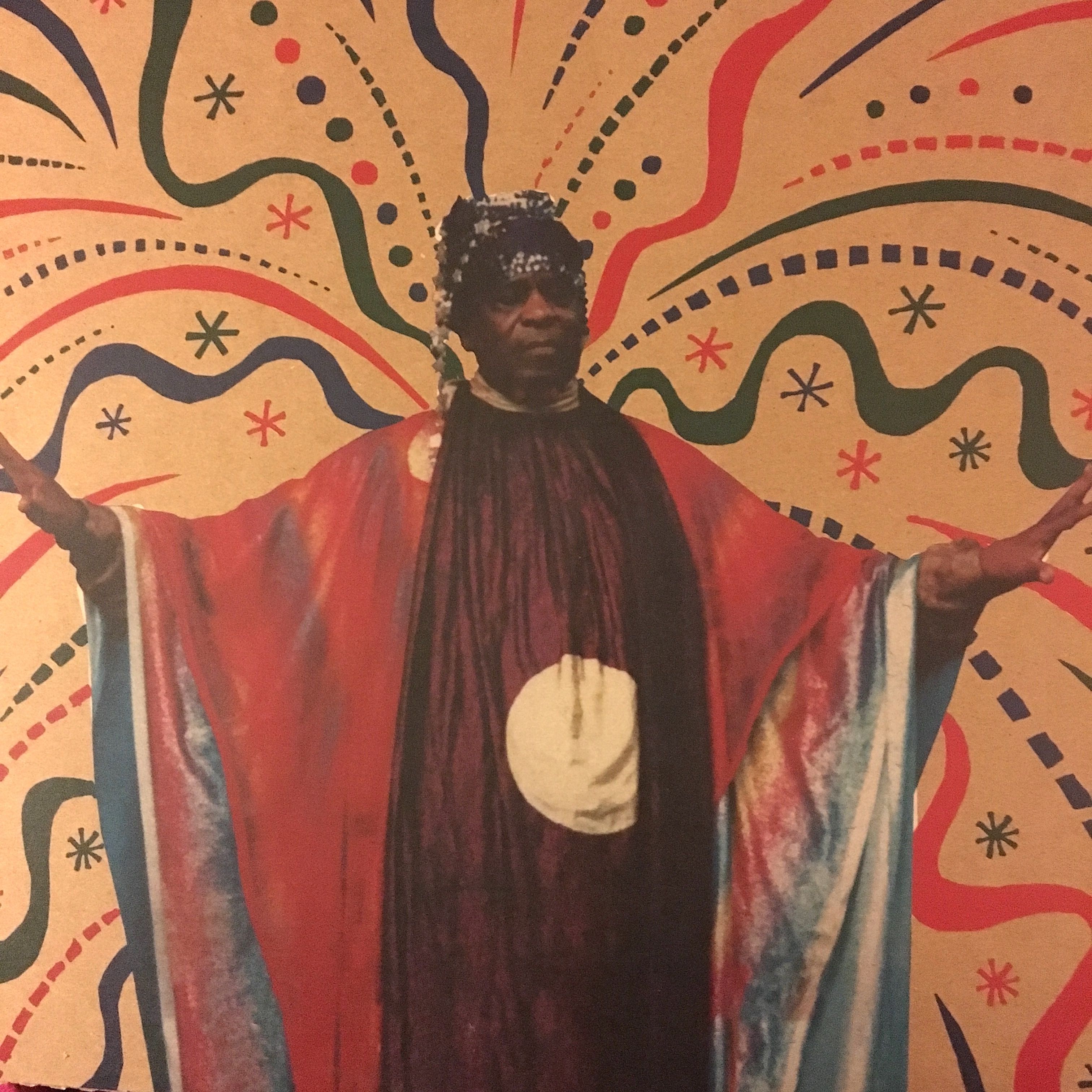
Watkins publishing have added to the world of Fortean travel-guides with 2 titles aimed to whet the wanderlust of wyrd voyagers. From the pen of Andy Sharp – musician, wordsmith and designator of the English Heretic black plaques (awarded to the strange denizens and dwellings that English Heritage overlooked) comes The Astral Geographic. On my first encounter with reference books, I often flip through the index to get a taste of what’s to come. Here we find an itinerary that takes us from “Anal Intercourse” to the “Zong Massacre”. Better buckle up then as it sounds like a wild ride is in store. Many eclectic ports are found along the way – myriad souls encountered include JK Huysmans, Sun Ra, Felicien Rops, Madame Blavatsky, Moloch, Manson, the Son of Sam, Saint Mary and that dweller in many an abyss – the almost ubiquitous Aleister Crowley. Although a chapter is devoted to Crowley and Neuberg’s summoning of the demon Choronzon in the Algerian desert, for readers who may feel somewhat overwhelmed by the seemingly universal presence of Magick Uncle Fester in much of occulture literature, there are also many other interesting characters and scenarios encountered within the pages of this book. Other subjects include Atlantis, the alchemy of Fulcanelli, Hekate, folk curses, Viking witchcraft and much more besides.
Sharp’s prose melds the informative and the poetic; although different in subject matter, in spirit it sometimes puts me in mind of the works of the naturalist J.A. Baker. Perhaps more accessible than his previous ‘The English Heretic Collection’ – ‘The Astral Geographic’ retains a targeted market as I suspect that mainstream TV producers may not send out Joanna Lumley or Bradley Walsh on a Saharan sodomy and ‘Satanism’ safari. Both this book and Weird Walk could however prove good ground for offbeat travel shows.
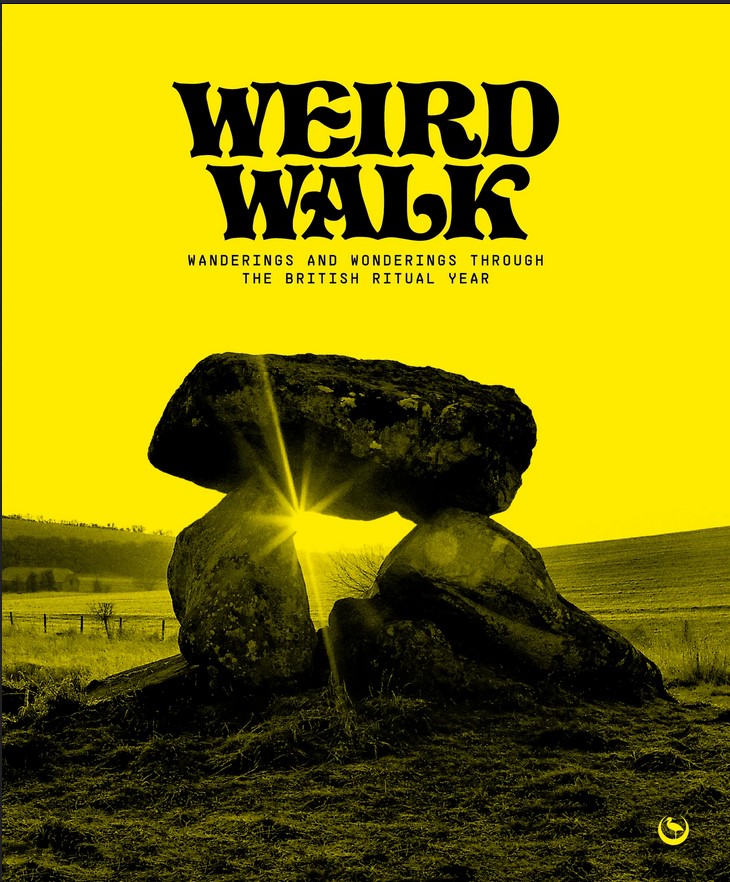
Weird Walk perambulates in a hinterland between Julian Cope’s ‘The Modern Antiquarian’ and Sara Hannant’s ‘Mummers, Maypoles & Milkmaids’ concentrating as it does on the British ritual year and megalithic monuments. It is more about rolling cheese than raising the dead. There is a little crossover with a chapter in The Astral Geographic in covering British standing stone’s relationship with short horror fiction and some Haunted Generation television shows, but Weird Walk focuses more attention on a variety of British sites – both ancient and follies of a more recent era. I particularly enjoyed Weird Walk’s commentary on EF Benson and Blakeney Point. Best remembered for his 1920’s socialite characters Mapp & Lucia, Benson’s supernatural stories have not quite enjoyed the renaissance bestowed upon M.R. James, Machen or Blackwood but are worth some attention. In its accessible psychogeographical approach to combining history, folklore, pop culture and artistic and literary inspiration, Weird Walk would also be of interest to fans of Edward Parnell’s Ghostland.
Weird Walk takes a seasonal approach and accompanies us from the Beltane fires of spring through summer’s Burryman Parade, from autumn’s Stag Dance of Abbot’s Bromley to the winter Wassailing in the company of the strange bone-horse the Mari Lwyd. Taking in many other ritual customs and enigmatic sites it illustrates that for the folk traveller Britain offers a lot of visiting opportunities the world round.
Both The Astral Geographic and Weird Walk bear an Occult Revival-revival aesthetic coupling Art Nouveauesque psychedelic title fonts, loose drawings, sun-bleached photography (Weird Walk particularly has some lovely, evocative shots) and a colour palette recalling the Gay Way primary school books, but both are equally substance as style. As someone once said “Man cannot live on bread alone” … or prana, manna or foyson… so quirkily both books occasionally include stopping off spots where the weary wanderer may partake of sustenance … though perhaps of the liquid victual variety. Whilst The Astral Geographic may point you in the direction of Absinthe, Weird Walk pours you a pint of real ale. They’re quite different books in some ways but are complimentary and provide interesting nuggets of diverse information to both the active and armchair travellers.
The Astral Geographic: The Watkins Guide to the Occult World Andy Sharp Watkins 2023 pb. Illus. index. 294pgs £20.00 ISBN 9781786786739
Weird Walk: Wanderings and Wonderings Through The British Ritual Year Alex Hornsby, James Nicholls, Owen Tromans
Watkins 2023 hb. Illus. refs. Index. 288pgs. £19.99 ISBN 9781786786821
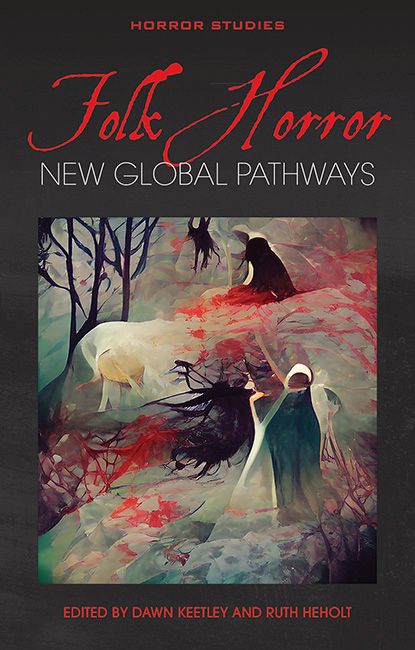
Perhaps of all the literary, cinematic and stylistic manifestations of the ‘dark arts’, only Film/Roman Noir may rival folk horror in the quantity of deliberation, discussion, debate and disagreement. Indeed in converse of the latter subject on social media oft asked is the question “But is it Folk Horror?” in regards to a particular movie, book or image. Sometimes this elicits the response of the ‘Folk Horror Police’ – fans who over-rigorously express their opinion. ‘Opinion’ is the key word however for there is no manifesto for folk horror– it is a mode named after the initial event. Adam Scovell’s ‘Folk Horror Chain’ acts as an excellent reference point for recognising commonly recurring elements (Landscape. Isolation. Skewed Belief System. Summoning or Happening) but it’s a guide not a mandatory tick box – there is still scope for deviation and room for differing opinions. Therefore multi-contributor books such as ‘Folk Horror New Global Pathways’ are extremely useful in this sometimes hazy field as they present a variety of opinions stemming from various different viewpoints, specific subject-matter and importantly from different cultures.
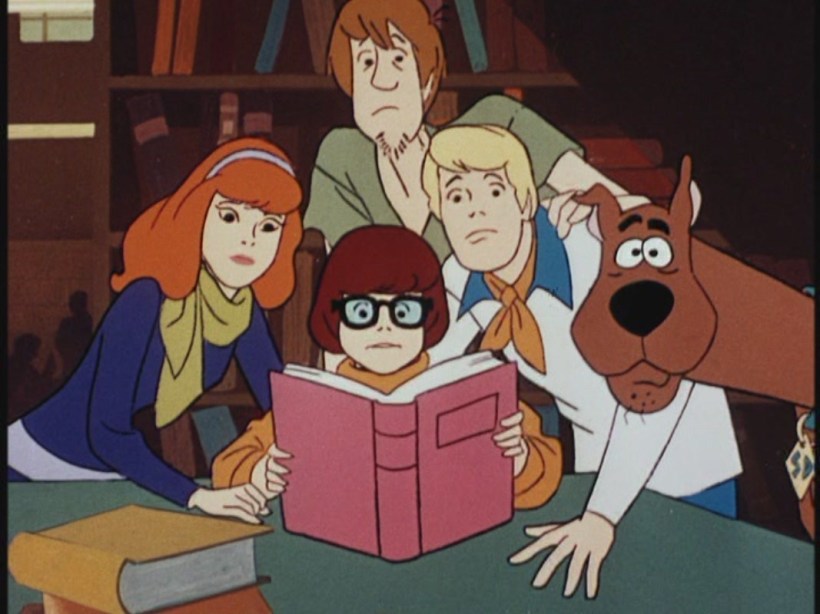
Whilst the 1960s/70s British cinematic triumvirate of Witchfinder General, Blood On Satan’s Claw and The Wicker Man have been written about extensively previously as they are important fixtures in the subject, folk horror is a form of narrative and aesthetic apparent in probably all cultures so it is good that this book does veer off the old beaten track. It wanders into diverse terrain ranging from Scooby Doo cartoons, typography, the short stories of E.F. Benson, occulture, video games, and dark tourism in Lancashire to the representations and relationships of folk horror in the cinema and culture of Mexico, Italy, Ukraine, Thailand and Appalachia. Inevitably politics do arise in the discussion. Horror fiction analysis can often be examined under a sociopolitical lens as a lot can be told about a people by looking at what scares them – be it post-war trauma in the early 20th Century Europe, atomic/ alien fears of 1950s America, generational counterculture/mainstream conflicts in the 1960s and 70s to the uncertain polarised times we currently live in. Folk horror is particularly laden with such considerations and this book does explore issues such as colonialism, sexuality and agrarian/industrial conflict.
Actually, regarding traditional vs technological conflict, I was disappointed to see however that AI generated imagery was used for the cover – especially as the book itself notes the connection between handicraft and folk horror. It would have been far more appropriate to have used imagery by an actual artist – be it centuries old chapbook illustration, a still from a relevant film or a piece by one of the many creatives currently working in the subject field, rather than using generative text.
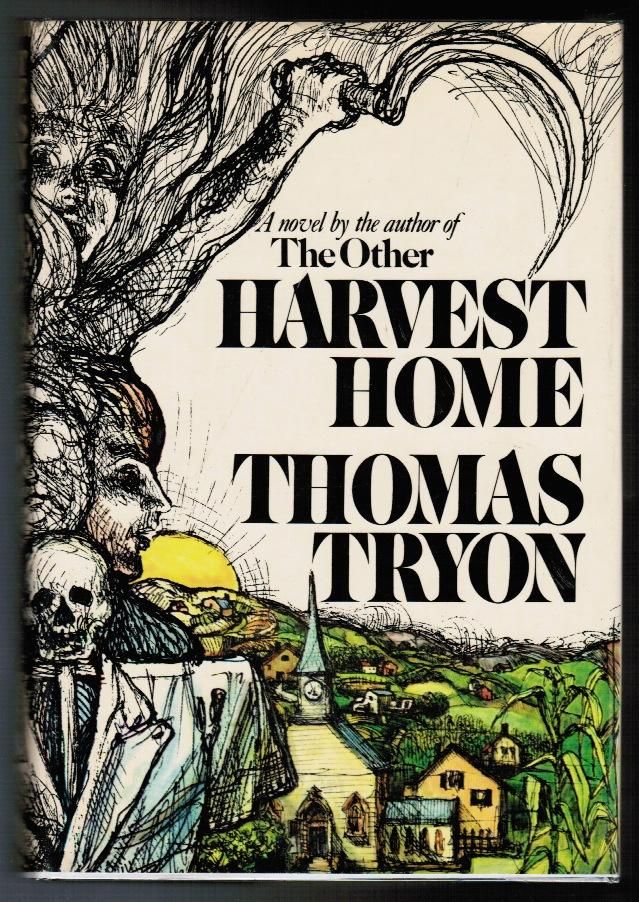
Back to the actual text: Along its course many examples of folk horror fiction are addressed, some familiar and others more obscure. I was particularly pleased to see the writing of actor-turned-author Thomas Tryon get good coverage as his work in the field is too often overlooked. Some less familiar works such as the films Jug Face and The House With the Laughing Windows are also given more attention than they usually get. I was surprised to see Robert Eggar’s The VVitch get such scant attention however, particularly in discussions of the folkloresque as it’s a good example of new folk horror using authentic old folklore in its narrative, considering that there is numerous referencing of Ari Aster’s Midsommar, (a film that I seem to be in the minority of personally finding both overrated and underwhelming).
Of Fortean interest the book discusses the Pendle Witches, the folkloric entities La Llorona and Phi Pop, ritual sacrifice, and the occult revival in relation to the influence, inspiration and development of Folk Horror. As a multi-contributor book, some chapters will be of differing interest to individual readers and the style of writing can vary, but it holds together very well. It is an academic book (as evidenced by its hefty University Press price tag) but much of it is written with an apparent enthusiasm for the subject that enables it to flow fluently, making it readable to a wider audience with an interest in this particular field.
Folk Horror New Global Pathways Various Authors. Ed: Dawn Keetley & Ruth Heholt.
University of Wales Press. 2023.
Pb. 280 pgs. £50.00 ISBN: 9781786839794
Reviewed by Andy Paciorek. This review first appeared in Fortean Times magazine
I am of that age (Generation X aka The Haunted Generation) whereby a significant part of my childhood was enveloped in the Cold War fears of an impending nuclear apocalypse. A terror adequately catered for by the less than a handful of terrestrial channels emitting their cathode rays into British living rooms. We were treated to dystopian dramas such as Threads, When the Wind Blows, the eventual broadcast of the considerably disturbing 1966 docudrama The War Game and perhaps most unsettlingly the Protect and Survive public information adverts whereby the booming voice of actor Patrick Allen accompanied by a chilling bleep and bloop Radiophonic Workshop score that would just appear on the telly advising us how to bag and tag our dead relatives for collection by the binmen of the apocalypse. At school we read Z for Zachariah – a dystopian survivalist novel by American author Robert C O’Brien (Robert Leslie Conly) – which the BBC also considerately turned into a TV play, and we turned on our radios to hear Frankie Goes to Hollywood sing about when Two Tribes go to war. The USA obviously had some similar concerns in that era as their nuclear doomsday drama The Day After also appeared on UK screens … But what about the ‘bogie-man’ threatening to bomb us? I long wondered whether the citizens of the USSR – their Generation X children also lived under the shadow of the mushroom cloud. Did their films and TV predict atomic devastation or did they dismiss it with a ‘don’t worry, we’ve got this covered’ attitude or ignore the threat of mutually assured destruction altogether?
I was aware of the 1967 Czechoslovakian movie Late August at the Hotel Ozone and the 1979 Soviet sci-fi movie Stalker (based on the novel Roadside Picnic by the brothers Strugatsky but both of them were post-apocalyptic – set sometime in the future aftermath of a nuclear crisis with a level of distance from the immediate fears of the threat in our time. Beyond that, my knowledge of Soviet Bloc ‘horror’ films consisted of Jan Svankmajer animations, Czech New Wave films such as Valerie and Her Week of Wonders, Morgiana and Witch-Hammer, adaptions of Gogol stories such as Viy and Evenings on a Farm near Dikanka and strange ‘fairy tales’ such as Ded Moroz and Baba Yaga, Polish book adaptations such as The Saragossa Manuscript and The Hourglass Sanatorium and odd offerings such as Yugoslavia’s The She Butterfly (Leptirica).
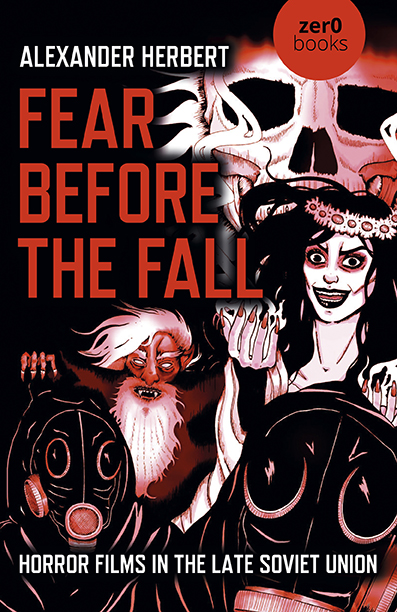
But of Soviet horror films that arose in the time of critical nuclear phobia just before the fall of the union my knowledge is as cold as the ‘war’ of that era. This is where Alexander Herbert’s book comes in. Mentioning online that I had Fear Before The Fall lined up to read and review, someone commented that they didn’t know there were any Soviet horror films and it would seem that there aren’t many. Shortly before the Fall of the title, the region experienced real-life horror and its legacy with the nuclear power-station disaster at Chernobyl.
Before looking at the films Herbert mentions in the book it is worth noting his stated aim is that “The book is not intended to be an academic monograph, it is for fun …”. That is a sentiment I approve of – for me the true success of education is and should be the sharing of information to as wide an audience as possible in the simplest manner possible – Not by dumbing-down but by imparting even the most complex of data in the most efficient and understandable way – if it’s also entertaining all the better. Too often academic writing alas can suck all life and joy out of fascinating subjects by appearing to be deliberately obtuse and ‘clever’ in its dry language and delivery. It isn’t ‘clever’ however to have the intention of educating and then failing to do so to the most comprehensive result, because of unnecessary intricacy (there’s probably a simpler way of expressing my opinion there but …)
However that said, Fear Before the Fall isn’t the most commercial of film study books but has a potentially narrower target audience. In keeping with other titles published by zer0 books and to address the symbolism of the movies mentioned, there is by necessity a lot of sociopolitical material within the book. Therefore rather than being a general read it will be of more specific interest to those who already study the political and social intricacies of the region and era and those who have a deeper interest in the psychology of film studies but it is also of use to those, who like me, have a gap in their horror film knowledge when it comes to the Soviet Union. And therein it certainly has educated me to several films that not only have I not seen but hadn’t even been aware of, but now am most curious to see.
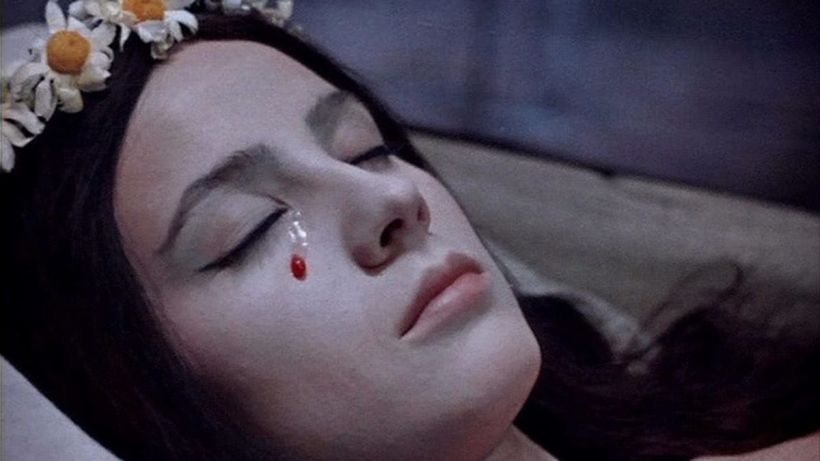
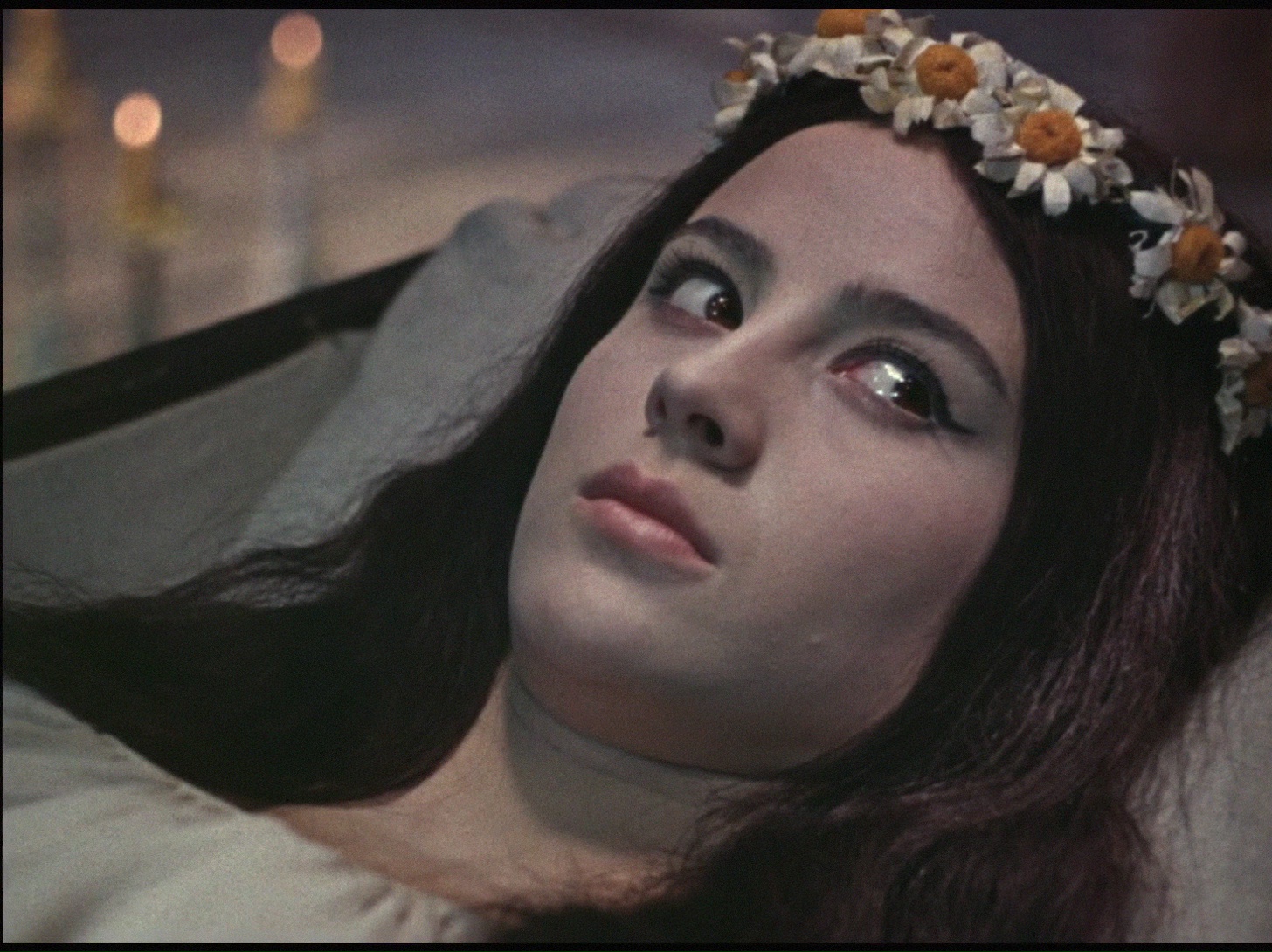
First up for consideration in the book is perhaps the most famous of Soviet films (and one which I’d both seen and read the story by Nicolai Gogol, upon which it is based). That film is the 1967 version of Viy (which also has a pre-Russian Revolution version from 1901 which is sadly lost and several 21st Century versions – it also was influential to Mario Bava’s 1960 film Black Sunday). Its premise follows a man who following a bizarre assault by an old witch beats her grievously, but upon the death of the beautiful young daughter of a Cossack chief finds himself forced to stage a 3 day vigil by the coffin of the young woman. Perhaps not all Hell but a fair portion of it then unfolds. Released 24 years before the Fall of the Soviet Union,Viy isn’t truly symbolic of those end days but its inclusion in the book is an important one – both in its context of the history of Russian horror film and also in outlining the time of mid Cold War era that strangely gave birth to it.
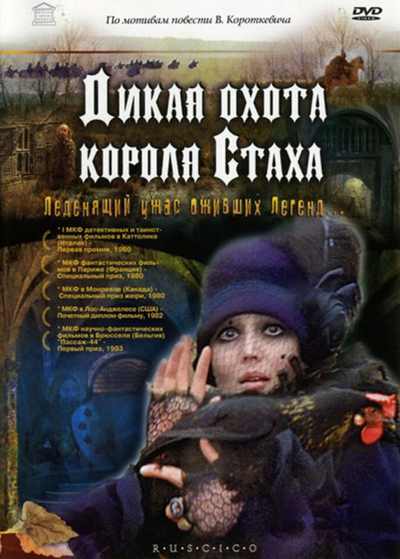
Next up is 1979’s Savage Hunt of King Stakh which is based on a story by Vladimir Korotkevich about a young anthropologist who travels to a remote region to investigate Belarusian folklore and the paranormal. It is set in 1899, which Herbert considers important as it just precedes the 20th Century which was to witness dramatic change in Eastern Europe and with regard to the beliefs and character of the people of Belarus before and during the Soviet era. In referencing the supernatural and folklore in what was to become a secular state that sought to replace individual nationalism with homogenous comradeship raises questions of matters of national identity and heritage – issues that people would consider themselves when the decline of the bloc approached.
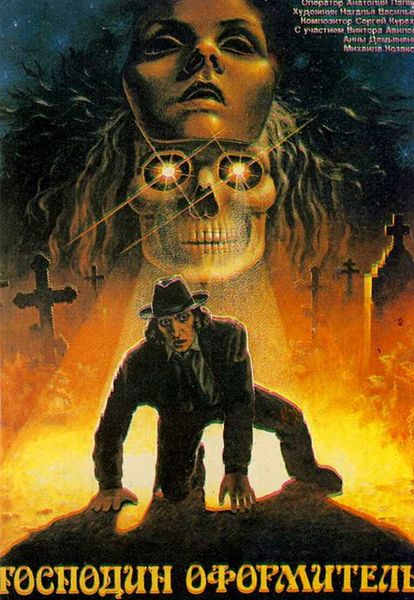
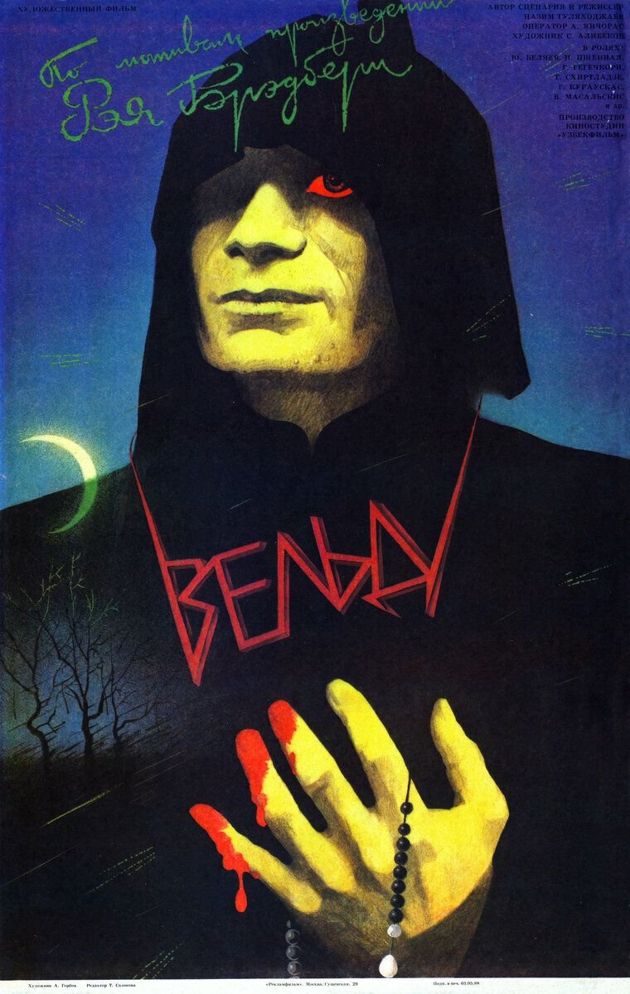
Herbert then turns his attention to two 1987 films – Mister Designer and The Vel’d. Concerning itself with an artist who seeks to address the matter of a more eternal life through the creation of mannequins. Having not seen this, it does sound something of a strange curiosity. Following the devastation at Chernobyl and the authorities realisation of the slipping of overall control but still wanting to set the narrative (in all things including film) the contemplation of the state intended and creator subliminal symbolism is thought-provoking. This is perhaps more curious still in the fact that The Vel’d is an adaptation of the short story The Veldt by Ray Bradbury. Bradbury is an author whose work oozes 20th Century Americana and for Russian authorities to permit a movie based on his work is intriguing. Increasingly the youth of the Soviet era, whom hadn’t known life before and knew only often austere times would get tasters of Western youth-culture and wanted more, be it records, denim jeans, burgers or horror movies. An interesting note about the story of The Veldt is that it tells of children turning on their parents in a more technologically advanced leisure scenario. As a big fan of Ray Bradbury I am intrigued to seek out this adaption of his work (the story does also feature incidentally in the American portmanteau movie The Illustrated Man (1969).
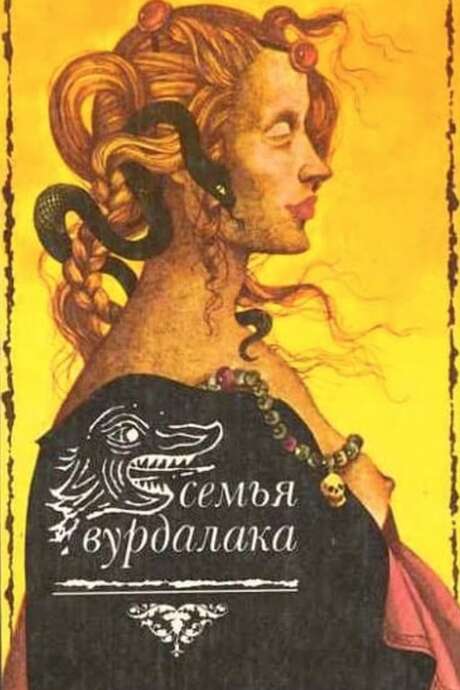
In the final chapters Herbert concentrates on films relating to Vampirism and Lycanthropy – both subjects that feature in the Slavic folklore of the different nations that made up either the USSR or the Warsaw Pact countries. Vampires and Werewolves however are frequently sources of a symbolic narrative beneath the surface story. Vampires often reflect the ‘Other’ – an outside/outsider source that represents a real or scapegoated threat. Since the dawn of Marxism, vampirism was used as a metaphor for capitalism. (On the flip-side the ‘Other’ subtext of ‘Reds Under the Bed’ can be read into some American Cold War movies such as Invasion of the Body Snatchers). Vampires are often depicted also as decaying decadents – in the Soviet Union the symbolism there could be considered a reference to the parasitic aristocracy which the Russian Revolution sought to destroy. In the 1980s the concept of tainted blood and pestilence in Vampire narratives could not help but bring to mind the AIDS crisis of the time (with its further ‘Othering’ of gay men and intravenous narcotic users who made up a large portion of infected people). Herbert considers the symbolism of women in relation to the film P’iusche Krov (released in 1991 – the year of the Soviet Union’s breakup and a time when the members of future feminist punk art activists Pussy Riot were but mere children) and the matter of generational conflict in regards to ‘Fear of the Vampire Family’ – Semya Vurdalakov (1991). Vampire Family is a contemporary loose adaption of the short horror story by A.K. Tolstoy (a period adaptation that is closer to the original tale can be found as a segment in Mario Bava’s 1963 movie Black Sabbath – starring Boris Karloff as the bloodthirsty family elder).
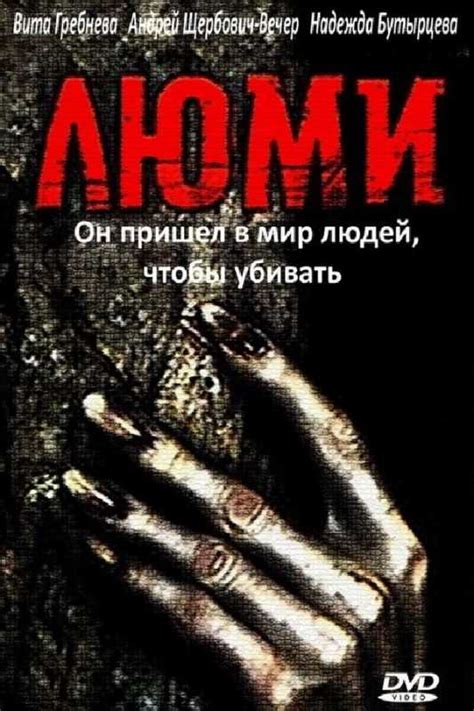
Lycanthropy can symbolise a wild inner nature but it is an effective factor to symbolise transformation and at this time the Soviet world was at the start of profound metamorphosis. Herbert takes a look at the werewolf satire Lyumi (1991), a contemporary adaptation of the Little Red Riding Hood. Russia is not through with change 30 years as it is currently writing another chapter of its own and Europe’s history. It would be intriguing for Herbert to return to the theme in the future and see what the post-dissolution horror films of Russia may reveal about the Putin era.
Fear Before The Fall: Horror Films In The Late Soviet Union Alexander Herbert
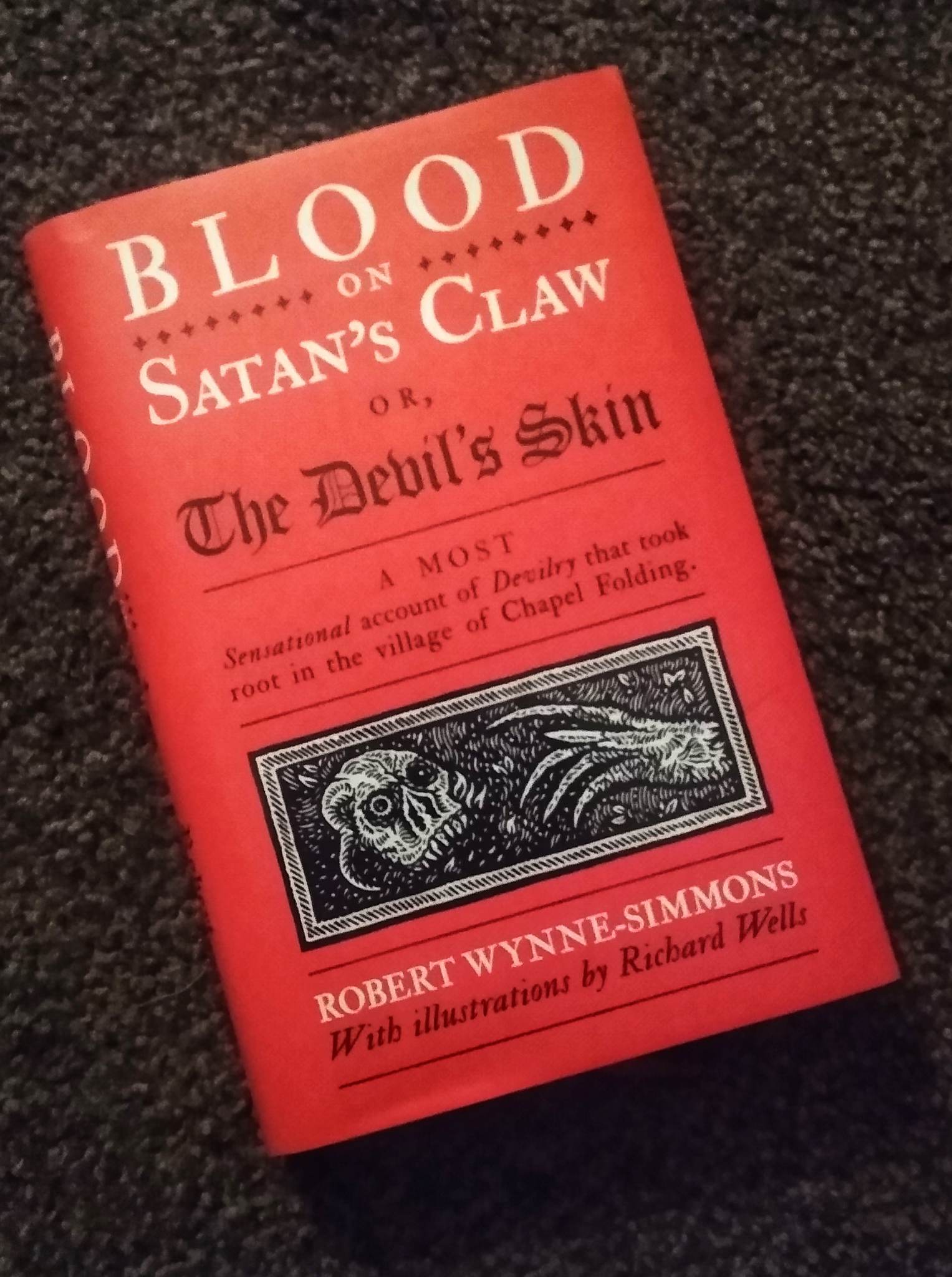
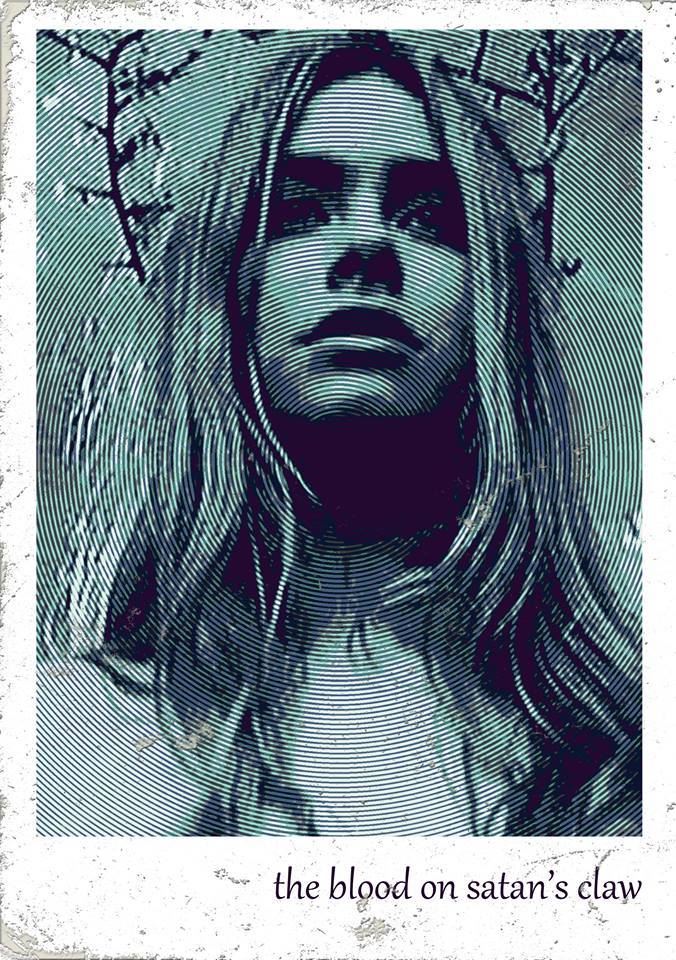
Over a half-century of waiting but finally that brooding member of the classic Folk Horror unhallowed triumvirate of British films, The Blood on Satan’s Claw (1971) has its own tie-in novel accompanying on the shelves the book partners of Witchfinder General (1968) and The Wicker Man (1973). Only in the case of Witchfinder General did the book precede the film (written by Ronald Bassett and published in 1966). The novelisations of The Wicker Man (which was initially inspired by David Pirner’s 1967 novel Ritual) and The Blood on Satan’s Claw followed the films after some years and were both penned by the screenwriters of said films – Anthony Shaffer (alongside the director of the film, Robin Hardy) in The Wicker Man’s case and Robert Wynne-Simmons with regard to The Blood on Satan’s Claw. With time passed this allowed the writers to return to their creations with a fresher mind and to alter or elaborate upon the stories – with greater success in the case of The Blood on Satan’s Claw, (The Wicker Man novel is a decent enough read and works well to flesh out Sergeant Howie’s character but the addition of the characters Beech and Sorrel and their narratives I find somewhat superfluous and distracting). Wynne-Simmons is more successful in fleshing out the bones of the characters (or rather furring up their flesh) without veering too far from the soul of the film.
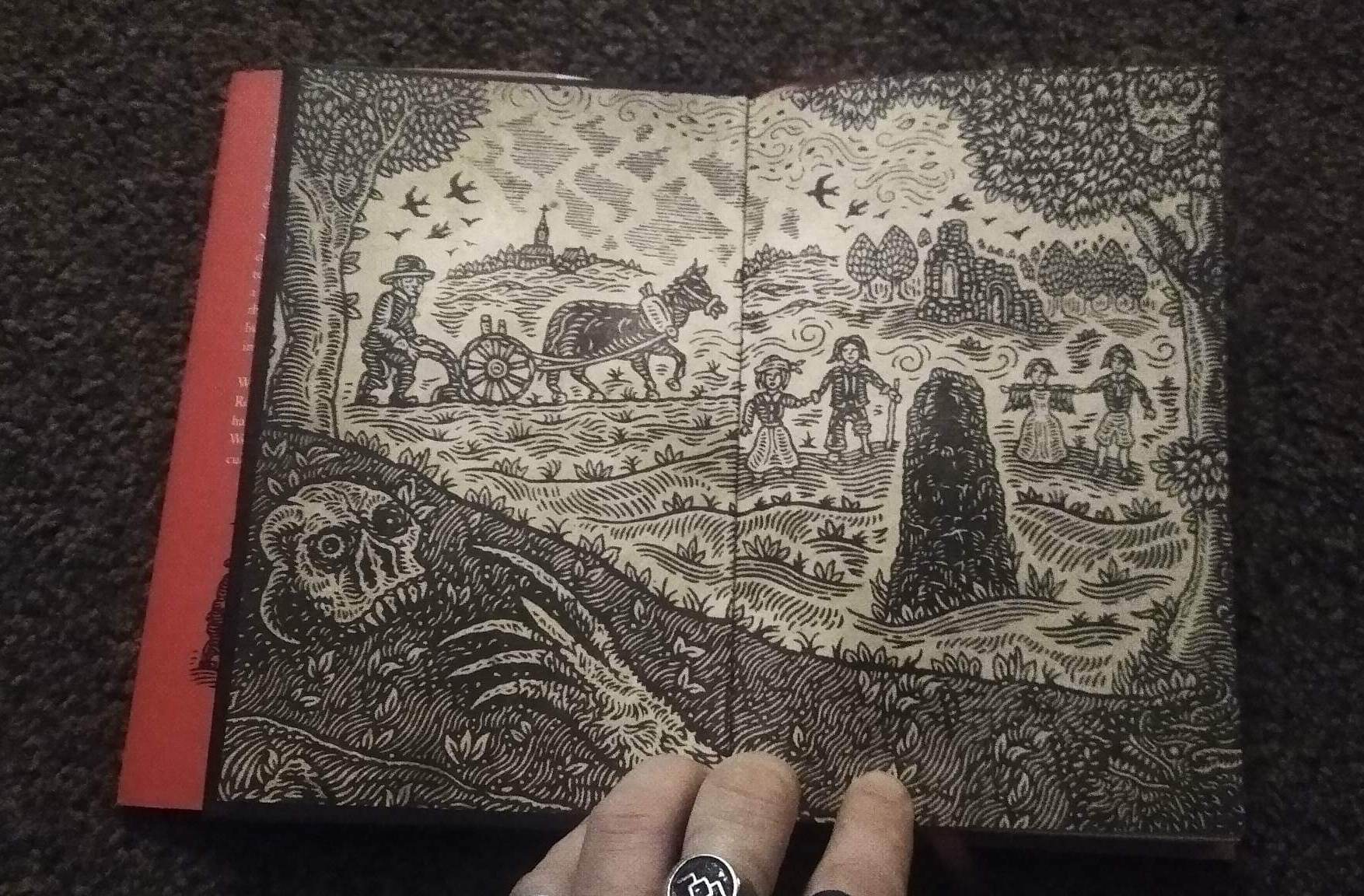
Blood On Satan’s Claw or The Devil’s Skin as the book is titled, follows events that unfurled in the early 18th Century in a pastoral British village named Chapel Folding following the discovery of grisly remains by farmhand Ralph Gower when turning the soil of Tarrant’s Field – a patch of land that generally was left un-ploughed. Remnants of the unearthed mysterious body parts fall into the hands of some local children and things in the sleepy village begin to turn decidedly fiendish. It was not simply bodily relics brought to the surface by Ralph’s toils but a malign presence that endeavored to make itself felt through the bidding and worship of many of the locals – particularly the children.
It is this utter corruption of innocence that I feel is the heart of Blood on Satan’s Claw and which gives both the film and book power. It is also however the source of controversy that casts a shadow upon the movie. Without giving away Spoilers to either film or book, there is one scene in particular that regards the fate of one of the village girls. In hindsight the director Piers Haggard says that if he were to have done it now, he would have filmed the scene differently. I personally feel that the events of this scene are pivotal in showing the savage possession that the children have fallen under but do understand the criticisms of its cinematic depiction. Perhaps this was of consideration to Wynne-Simmons in his novelisation as on paper the events unfold thematically the same but stylistically different. I am categorically a fan of the film, though utterly conscious of any issues levelled against it; but there is something I find eerily spell-binding in it. The book also captivated me. I wonder though if this would differ much had I not watched the film so many times. Dialogue I heard spoken in the specific actors’ voices and I pictured them likewise, which I think speaks well of the casting in the film. The book is a page-turner, though, written in a flowing, inviting manner so I think that for readers with no prior exposure to the film, it would still prove an engaging and interesting read.
The film though also to an extent does seem to have influenced the artist Richard Wells whose chapbook-reminiscent prints illustrate the book. Depicted characters such as the beguiling Angel Blake (one of my all-time favourite movie villains) look very much like their onscreen counterparts (Linda Hayden in Angel’s case). I am a huge devotee to illustrated books so the imagery contained within is appreciated and a nice-touch. Wells being a prominent figure in the revival of Folk Horror being an apt choice for the job. One bugbear I have with the film is the visual reveal of the Fiend – I do not think the effects do the malignant entity justice (same bone of contention I have with the otherwise great 1957 film Night of the Demon). I would have preferred both to have been more unseen and would have found that more ominous and disturbing. However within the book the depiction of the devil of the fields in all his glory is reminiscent of the medieval texts and does suit the purpose better. The red bookmark ribbon is another small but pleasing touch – these visual attentions make the book more of a pleasure to behold and make for a nice ghoulish gift for someone.
It’s been a long time in coming but well worth the wait I feel, as I thoroughly enjoyed the book both for its narrative and writing and for its visual appeal.
Linda Hayden as Angel Blake in The Blood on Satan’s Claw (1971)
Blood on Satan’s Claw or The Devil’s Skin Written by Robert-Wynne Simmons, illustrated by Richard Wells
Following 2017’s Holy Terrors (review here) the excellent film adaptation of various tales by the mystical author Arthur Machen, the directorial duo of Julian Butler and Mark Goodall return with a tale from another past master of the mysterious and macabre – Oliver Onions* and an adaptation of his short tale ‘The Beckoning Fair One’.
The premise of the story follows a writer as he moves into a new apartment in order to complete a novel. Eventually it is revealed that apartment is haunted by the ghost of a previous resident- the ‘beckoning fair one’ of the title.
Timed at 23 minutes, Goodall & Butler’s version of the tale stays closer to Onion’s original short story than the 1968 Don Chaffey directed adaptation that featured as an episode of the ABC/ITV supernatural/weird anthology series Journey to the Unknown. The Chaffey version has a different tone and replaces the author protagonist with a painter. It gives a specific time-setting in that it takes place 25 years after the World War 2 bombings of London and in doing so gives a more thorough exposition of the presence in the house than either Onion’s story or the Butler-Goodall version. The Chaffey adaptation runs at one hour which is perhaps too long to tell the story as it feels repetitive in parts rather than tension-building. It is however worth a watch both in itself and as a contrast to Goodall & Butler’s envisioning. (There is also a 1973 Italian Giallo film called Un Tranquillo Posto di Campagna – A Quiet Place in the Country inspired by the tale.)
Butler & Goodall only take 23 minutes on the tale which is enough to do it justice. Its tone and atmosphere is rather oneiric; slow-burning yet getting subtly under the skin delivering an entirely believable yet uncanny experience. Its sound design and crisp well-framed photography coupled with an aesthetically pleasing palette and good location choices serve up a pleasant yet eerie package – with a tale and delivery that does hazily unsettle. It is set in contemporary times, but still maintains a timeless quality. It keeps close to the psychological aspect of the original story, keeping the presence within the house and the brooding will of the building itself to the front and foremost -its horror is cerebral and suggestive not an exhibition of gore or jump-scares. Having a narrator detail the entire tale over live-action footage may not be to the taste of all viewers but for a film of this length serves its purpose well. Indeed I could see Butler & Goodall’s The Beckoning Fair One sit perfectly into A Ghost Story For Christmas slot. Having previously seen (several times actually) and loved their take on the tales of Machen, they have now displayed an empathy and understanding of Oliver Onion’s macabre tale and how to deliver it. I am left hungering to see them take on more of the past visionaries of the horror short story. I’d be curious and keen to see what they could do with the tales of Robert Aickman and Algernon Blackwood for instance. If anyone from the BBC happens to read this, take heed for Goodall and Butler are creating work that suits these times but also sits comfortably with established spooky series such as A Ghost Story for Christmas, Supernatural (1977) or The World Beyond etc.
The Beckoning Fair One can be seen in its entirety HERE
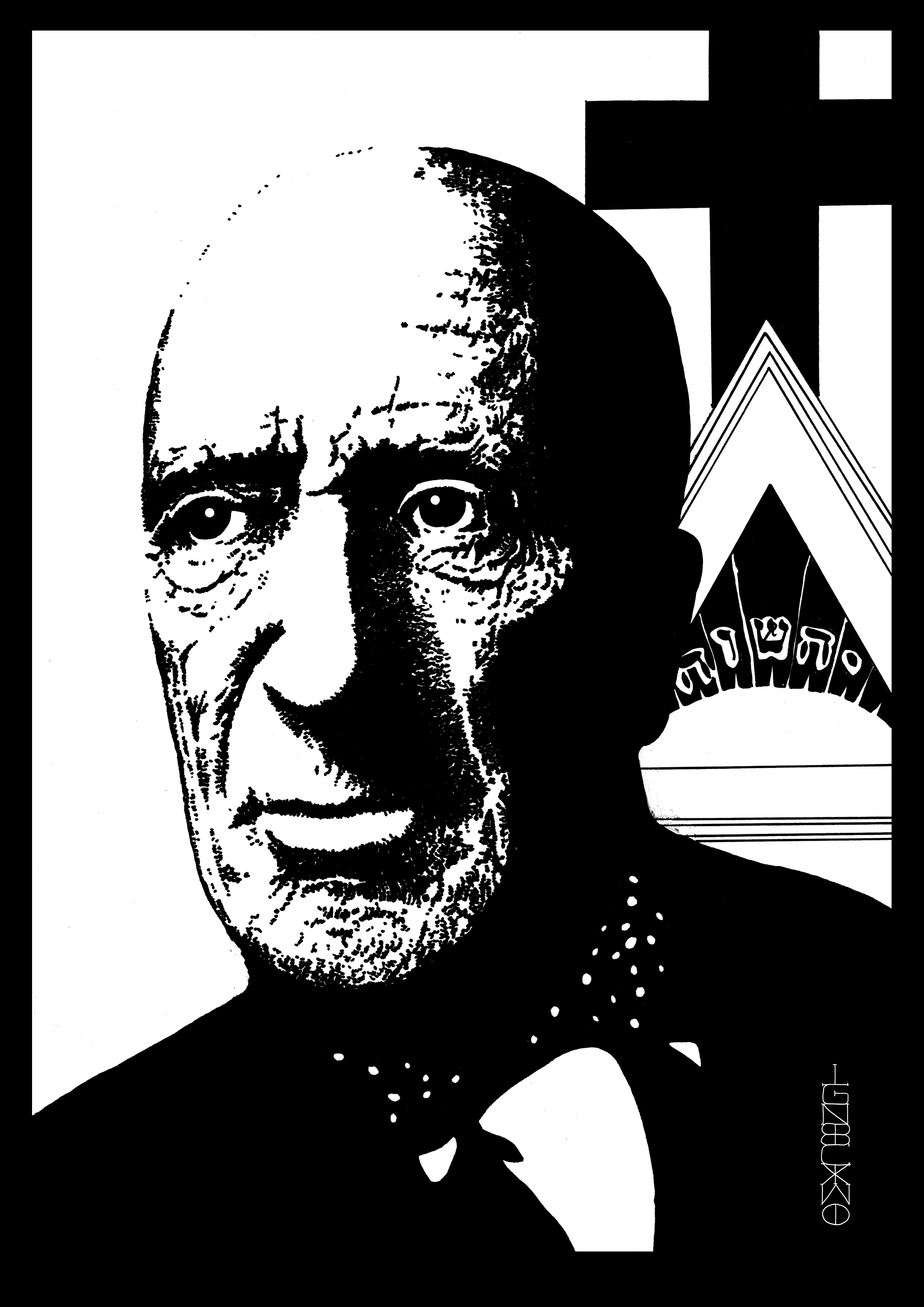
Portrait of Oliver Onions – Andy Paciorek
*Oliver Onions (1873 – 1961) was an author and artist from Bradford, England. Originally trained as a graphic artist, Onions began writing fiction under the encouragement of the American writer Gelet Burgess. Turning his hand to detective stories, science fiction and historical drama also, it is perhaps for his short tales of the weird, supernatural and spectral that he is best known. His 1911 collection Widdershins which features The Beckoning Fair One is amongst his most famous and critically acclaimed works (including amongst several other writers of weird fiction). As with The Beckoning Fair One, the theme of the relationship between creativity and madness is a theme that he returned to in his work several times. Married to the novelist Berta Ruck and the father of two sons, Oliver Onions passed away in Aberystwyth, Wales in 1961.
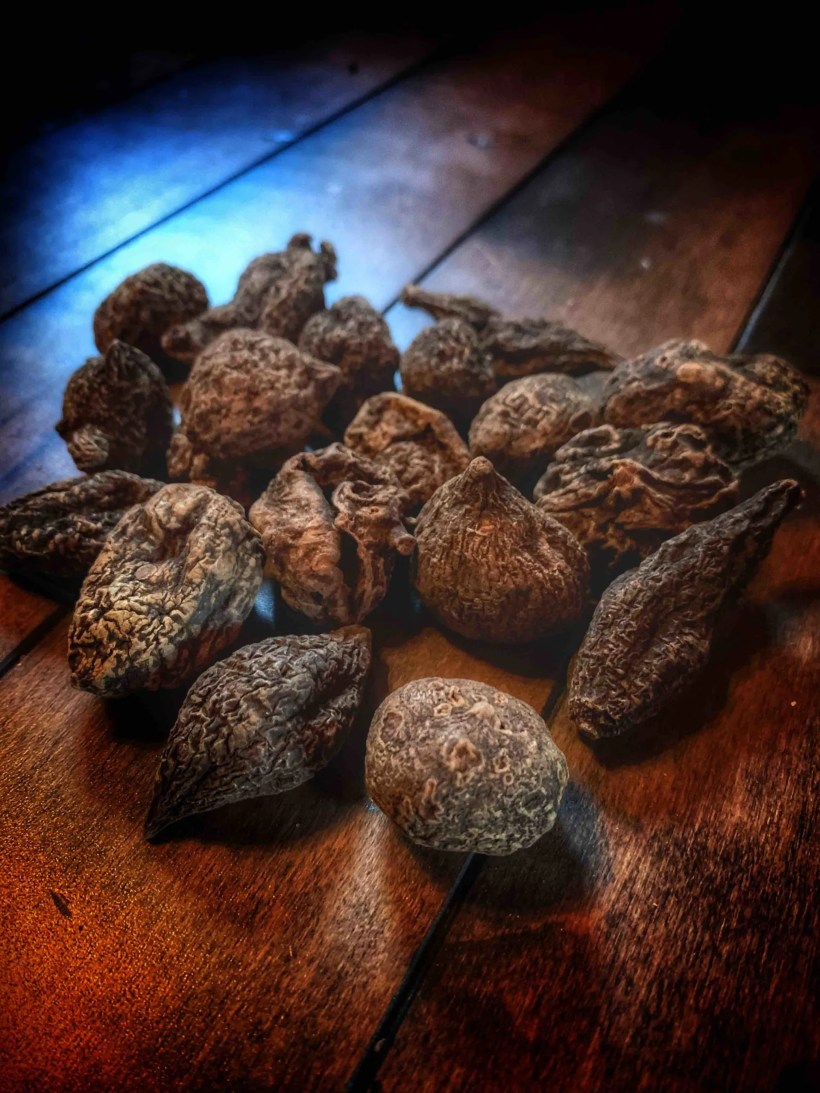
High John the Conqueror, the latest novel by Tariq Goddard – author, founder of Zero Books and Publisher at Repeater Books, is a strange brew – in large part a gritty British police procedural, partfolk horror / urban wyrd, political commentary and psychedelic trip-literature.
Set in Wessex in 2016, the book follows a team of detectives as they investigate a series of teenagers going missing from council estates in a provincial city and pursue a rumour that wealthy individuals are kidnapping the youths as sex-slaves and perhaps even sacrifices for orgiastic rituals. This premise is fed by Goddard’s political reflections as is a factor of numerous Zero and Repeater books. The debate of class divide and exploitation of the poor by the privileged is pertinent to the book’s plot and for the most part, the political message is delivered without preachiness, but I do question whether the prolonged discussion between a police investigator and a wealthy, powerful suspect is a realistic conversation but it does serve a purpose of exposition. Otherwise the book, which is led by a lot of dialogue paints believable characters. One issue I had with it, which may not bother most readers is the names of the police officers. Though I think it’s fine to pay tribute to inspirations in naming characters, for me the nomenclature of the individual coppers was too much. I visualise books strongly, and once a worm has burrowed into my brain I find it difficult to dislodge and as the officers were named after cult musicians – in one scene featuring a number of cops I pictured members of Coil, Psychic TV and the Banshees all dressed up as police officers. It does add to the surreal aspect of the book I guess, but alas for me was difficult to dislodge the image from my mind which distanced me a little from the story.
The combination of neo-noir police procedural and folk horror evokes thoughts of The Wicker Man and David Pinner’s Ritual, and other elements of the book reminded me of the Ben Wheatley films Kill List and IN THE EⱯRTH, but High John the Conqueror is also its own beast. The High John of the title referring to a natural psychoactive substance that only grows at lengthy intervals and when it does demands attention. This powerful drug is deeply entwined with the disappearance of the teens, but is far more strange and sinister than any recreational drug being peddled on the streets and across county lines.
Hallucinatory yet gritty, Goddard’s novel is a genuine portrait of Britain’s shadowy underworld but intensified to a psychogenic peak. Scattered throughout are scratchy, flowing line drawings which have a feel of automatic art to them. As a big appreciator of books featuring illustrations, I approve of this – actually I’d have liked it to feature more drawings, but kudos to the inclusion of book art.
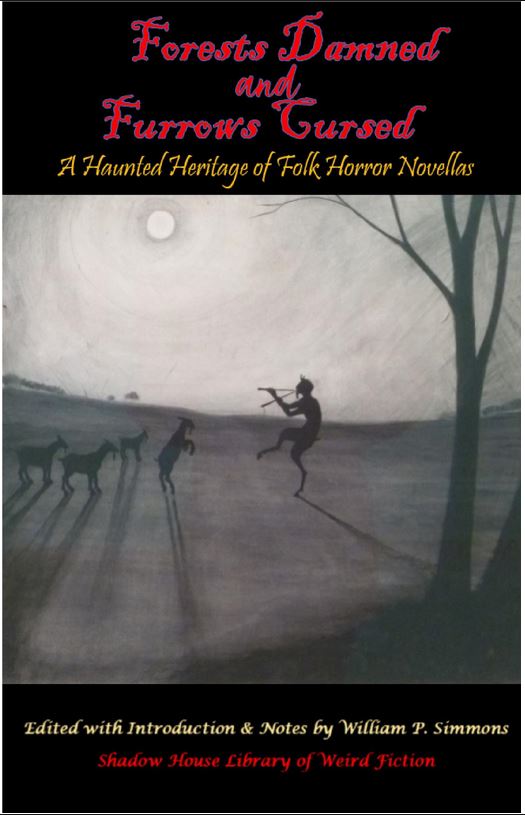
Forests Damned and Furrows Cursed is a new anthology of classic Folk Horror novellas harvested by the author William P. Simmons of Shadow House Publishing. We say ‘Folk Horror’ but all of the contained novellas were written in the late 19th/early 20th Century before the term Folk Horror was widely applied as a sub-genre or mode, therefore all are written with a purity of independence, free from the worry of whether their work conforms to a set idea or ticks all the expected boxes – a problem contemporary writers of Folk Horror may feel they face. So within these covers we are presented with 5 comparatively diverse tales, which still nonetheless should content both the casual and the more rigid readers of folk inspired horror.
The stories featured are ~ Watcher by the Threshold by John Buchan (1902) The Novel of the Black Seal by Arthur Machen (1895) Dionea by Vernon Lee (1890) The Man Whom the Trees Loved by Algernon Blackwood (1912) The Garden at 19 by Edgar Jepson (1910)
Differing from a number of Folk Horror anthologies that have collected short – short stories, Forests Damned gathers those creatures that dwell in the borderlands between short prose and novels – the land of the Novella. Outside of publisher demands (which may be of pragmatic /financial intent rather than creative) which may dictate a set word or page count, my personal belief with writing is that the story should be as long or as short as it takes to tell in the most rewarding manner. The precise amount of detail is required to describe the characters, setting and significant events. – applied to set the pace, to build suspense and either satisfy completely or to non-frustratingly leave the reader wanting more. Just enough detail for the reader to view the scene and unfolding events in their mind’s eye and to immerse in the story and be less conscious of reading a book, if that makes sense? So ideally, not so short as to appear rushed and unsatisfactory, not too long as to bloat and drag with superfluous padding. The stories in this book don’t always completely meet those aims but it is important still that they have been collected and presented again in our time as they are strong interesting stories in their own right and a vital link in the chain for any reader / collector that wishes to build a library and /or knowledge of literary fiction that falls under the umbrella of what is now rather widely referred to as Folk Horror.
Likewise these novellas are of their time which is relevant regarding their pace, style and also with reference to some social-political issues. They come from a time when there was little competition for attention in leisure time – no films, internet, games etc. So they can take their time getting where they are going and can stop to smell the roses in their descriptive manner. So as with all books and tales from different eras, may not be to the taste of all contemporary readers. In his introduction to the collection, Simmons does a good job of putting the works in context and explaining the feral nature of Folk Horror, so no previous experience of reading Folk Horror stories is necessary to enter into the wild lands contained, but it may be useful for those new to the form to read some shorter stories of both Folk Horror and of the era before tackling these long -short stories / short novels. Regarding the social-political issues within some of the tales, attitudes may raise some eyebrows and with fair enough cause; however whether they reflect the opinions specifically of the fictional characters portrayed, the author or the majority of their particular society at that time is not instantly identifiable. The reader can make their own judgement call when reading. Any issues do not overwhelm the tales, mostly they are concerned with traditional gender roles and the occasional opinion regarding foreign nations, but are mentioned purely for context of these tales being creatures of their own time. Such matters may also be of interest to Folk Horror fiction historians in their contemplation not only of tales being told but how they are told.
That overview out of the way, to look now at the individual tales contained and their creators.
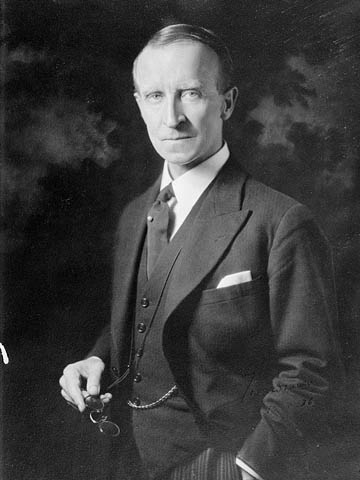
John Buchan
The first story featured is The Watcher by the Threshold by John Buchan (first published in 1902). Buchan (1875 – 1940) was a Scottish polymath. In addition to being a fiction writer (his most famous work quite probably being The Thirty Nine Steps – an adventure tale of political intrigue (known more widely for Alfred Hitchcock’s 1935 cinematic adaptation); Buchan was an editor, non-fiction author, Unionist Politician and Governor General of Canada. The Watcher by The Threshold tells of a man living on the Scottish moors whose studies of Justinian and classical philosophy go beyond obsession and finds himself feeling haunted by a devil. The importance of landscape in Folk Horror is well represented in this tale. I have a love of moors yet find them somewhat unsettling and Buchan’s writing sets the scene very well here.
Arthur Machen: Illustration by Andy Paciorek
Next we have The Novel of the Black Seal by Arthur Machen (1863 -1947) (which was first published as part of his 1895 collection The Three Imposters). Machen was a Welsh journalist, author, proto-psychogeographer and mystic – being a member of the Hermetic Order of the Golden Dawn for a while, his personal spirituality though leaned towards Celtic Christianity. The Novel of the Black Seal shares an element of Buchan’s tale which is also evident in a lot of M.R. James’ work that of academic study becoming embroiled in real situations of archeological, anthropological or folkloric horror. In this case case we find explorations of a subterranean site in the Grey Hills of Wales turning up more than expected. The existence and nature of the denizens of a Faerie Otherworld coexisting with our own goes against any Disneyfied Tinkerbell ‘airy-fairy’ conceptions of the ‘Little People’ of folklore and presents us with a forgotten, hidden swarthy, troglodyte race. In being of its time, perhaps the most horrific scene is implied rather than graphically explained. This works to its advantage, for in contemplation of the origins of the conception of the strange servant boy in the tale, I found myself genuinely unsettled. This tale went on to inspire both HP Lovecraft and Robert Howard in their weird fiction writing. It was in connection to the Machen story incidentally, that I thought of the comparatively low incidence of classic tales fitting a Folk Horror vein being adapted to film during this current current Folk Horror revival. Rather than ‘karaoke’ versions of The Wicker Man, it would be good to see more of the old stories brought to the silver screen. This train of thought commuted my mind to the (criminally little-known) film adaption of a collection of Machen tales, Holy Terrors (2018) by Mark Goodall and Julian Butler (see https://folkhorrorrevival.com/2018/01/19/holy-terrors-film-review/ ) and I think that they would be perfect to adapt Forests Damned and Furrows Cursed to film as a portmanteau – an Amicus-anthology style Folk Horror film if you will. Anyway I digress, so on with the book …
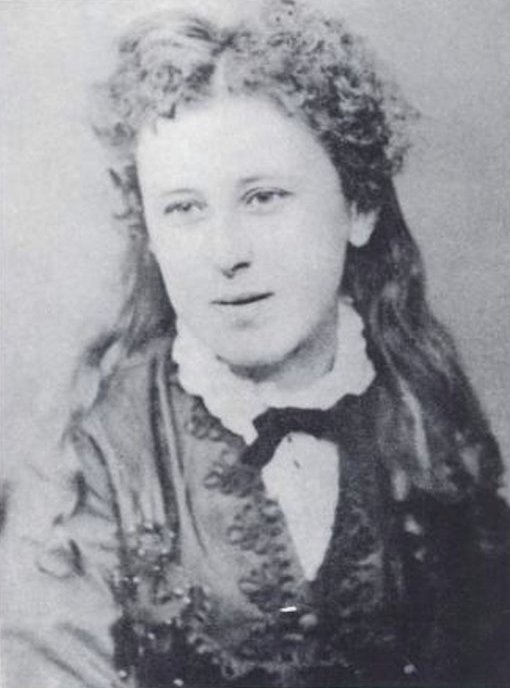
Vernon Lee aka Violet Paget
Next up we have Dionea by Vernon Lee. Originally published in 1890, Vernon Lee was actually the pseudonym of Violet Paget (1856 – 1935). Paget was a strong proponent of feminism but was published under a masculine pen-name. The author’s own contemplation and experience of gender matters can offer a further context to the story of Dionea, a foundling child raised in an Italian convent. Dionea does not care for the studies, chores and sewing that the nuns put her too and instead is drawn more to nature. As she gets older, her independence of thought – her perhaps even feral nature puts her at odds with the convent and later beyond those cloistered walls. Dionea’s strength of character and wild free-spirit is even seen to affect the fate of others and she is viewed with both suspicion and superstition. The return of buried paganism is a recurring element through different examples of Folk Horror, which marks Dionea’s place in this book and the Folk Horror canon, and the voice behind it is a refreshing interlude to the male, quite conservative – despite the themes, uttering of the other featured tale-tellers.
Algernon Blackwood: Illustration by Andy Paciorek
Perhaps one of the most evocatively titled of all horror stories follows next, The Man Whom The Trees Loved (1912) by Algernon Blackwood (1869 – 1951). A member of both The Ghost Club and like Machen, The Hermetic Order of the Golden Dawn; Blackwood is perhaps the biggest name in the book among horror circles. Extremely prodigious and successful in his horror writing career, alas I find issue with The Man Whom the Trees Loved – it’s not that it’s a bad story – it’s a decent enough tale. The problem is that in my opinion, it should be a short story not a novella. There for me is an issue of repetition in the tale – if handled skillfully then a little repeating can build up suspense but I just find too much of it and dallying here. It is surprising as Blackwood knows his craft, so it would’ve been hoped that he did not opt for a ‘less is more’ approach here. As for the tale itself, it is quite poetically beautiful as well as unsettling. A woman becomes extremely concerned with her husband’s obsession for the trees that surround their country abode. It has an underlying mystical and philosophical debate about the sentience of life, (indeed all of the stories featured in this book pose a studious contemplation of the ‘nature’ of both nature and the supernatural) and it is a valuable addition to the Folk Horror bookshelves but I unfortunately cannot help but feel that it would have been a more powerful narrative had Blackwood decided to have it edited down.
Edgar Jepson
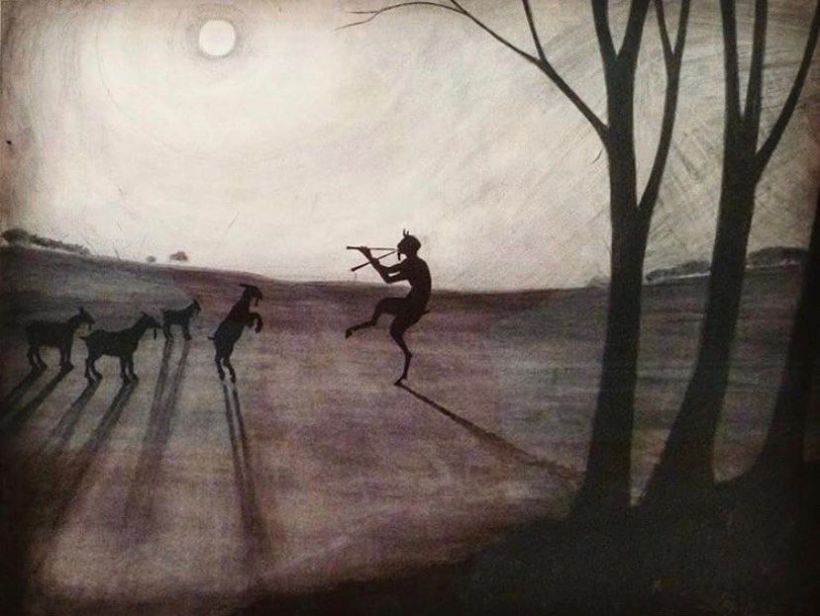
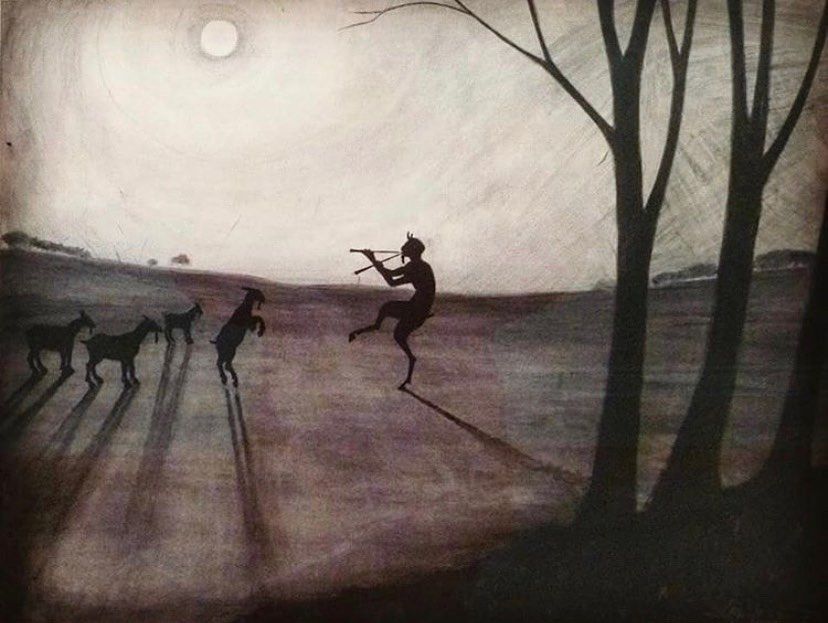
Closing the book is The Garden at 19 (1910) by Edgar Jepson (1863 -1948). Jepson, an English writer, is more widely associated to crime and adventure novels ( as well as translating Maurice Leblanc’s French tales of the aristocratic brigand Arsene Lupin into English). One of his wanderings into fantastic territory The Garden at 19 is a mixed bag. Like The Man Whom the Trees Loved, 19 could’ve probably done with being a bit shorter. It also has its eyebrow raising moments in its oddly repeated opinions of German professors and also in its portrayal of girls/women and their societal roles. Otherwise it’s a fair enough tale, reminiscent of Denis Wheatley’s Satanism in suburbia romps. The presence of that old horny deity Pan explains the book cover (featuring a painting by the, alas not familiar enough, Belgian Symbolist painter of the uncanny, Leon Spilliaert) and relates how a young lawyer becomes intrigued both by the strange goings-on in his neighbour’s garden and then by the presence of his neighbour’s niece. The character of the neighbour, Woodfell, is very clearly inspired by the notorious occultist and tabloid scandal-fodder of the time, Aleister Crowley.
The afterword of the book comes in the form of questions, an interesting addition that would perhaps prove useful for book groups, genre-study classes, and academic or personal-interest students of Folk Horror / horror literature. This and the novel approach of presenting novellas rather than shorter fiction makes this book an interesting and valuable addition to folk’s Folk Horror book collection.
Faun by Moonlight: Leon Spillaert (1900)
Forests Damned And Furrows Cursed: A Haunted Heritage of Folk Horror Novellas Edited by William P. Simmons Paperback, 236 pages Published April 26th 2022 by Shadow House Publishing ISBN13 – 798806998614
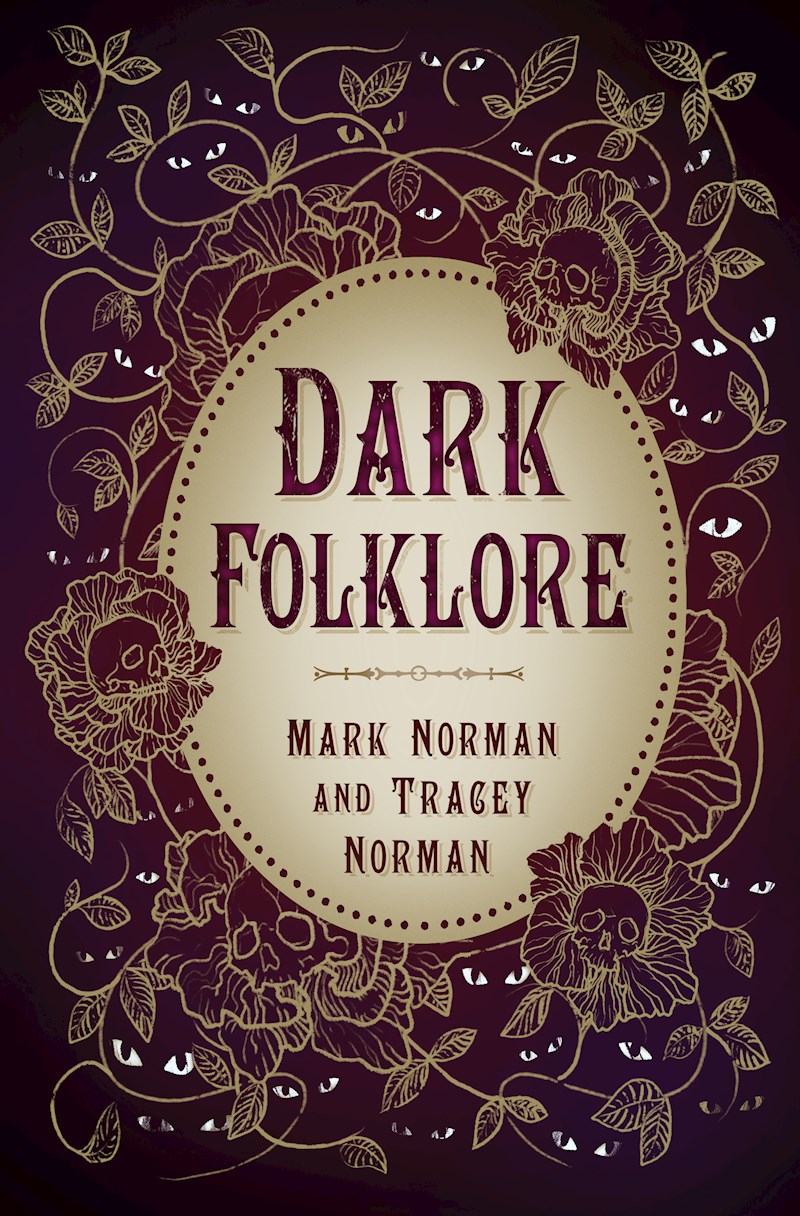
Upon hearing of the release of Dark Folklore by Mark and Tracey Norman, I was beguiled as to what Chthonic treasures the book would contain, for there is certainly darkness a ‘plenty to be found within the world of folklore. Upon opening the book and casting my eyes over the contents listing of the 5 chapters offering a bewitching array of lore with Fortean interest, the first chapter The Old Hag: Folklore and Sleep Paralysis was of particular personal intrigue to me, having experienced numerous incidents of this bizarre state myself. The Normans provide a very good overview on the subject covering the bases of superstition, psychoanalysis and scientific rationale. Presented are numerous entities associated to the Hag-riding phenomenon aspects of sleep disturbance in world folklore, from the Hungarian Liderc to the Arabian Quarinah and the Alien Greys. The authors put forward balanced and insightful consideration of the subject, without judgement. They explain the medical processes of such unsettling experiences but don’t merely dismiss the entities envisioned rather questioning why a feeling of somnolent physical inertia and laboured breathing (amongst other symptoms) can result in visions of old crones or other strange entities squatting on the sufferers’ chests or dark mysterious figures lingering in the corners of the room. Archetypal consideration is applied here, as is the rich folklore of myriad nocturnal entities that can be found across the world in both developing and more technologically advanced societies. (An unsettling folkloric belief, not mentioned within this book, was told to me by a Filipina associate who claimed that the Batibat, an entity associated to the strange hypnagogic / hypnopompic episodes is believed in her culture to be the ghost of someone who had died in their sleep).
Chapter two deals with The Dark Church and covers wide-reaching examples of association mostly between the Christian church in Britain and superstition and pagan influence. Discussed are foliate head and Sheela-na-gig carvings, St. Mark Eve vigils (whereby observers may see a procession of those destined to die in the following year and other wondrous delights. Here we wander down corpse roads and meet the priests of Devon who reputedly employed rather than denied folk magic. The magician-priests included Reverend Franke Parker who lore declares had the power to shape-shift and had an esoteric library that he was deeply protective of. The peculiar Parson Parker was reportedly once found at rest in a bed surrounded by dead toads.
Folk Ghosts provide the focus of the third chapter and considers the distinction that should be made more in haunt studies between ghosts that exist purely in lore and those reported to have been experienced by verifiable witnesses. Many places are said to be haunted by a phantom stagecoach or phantom black dog for instance, but how many have known contemporary witnesses of the particular phenomenon? ‘Cockstride ghosts’ – the spirits of those destined to perform some impossible or potentially eternal penance for an earthly crime are also given good attention. Weaving rope from grains of sand or emptying large pools with a leaking diminutive vessel are examples of such posthumous burdens that may befall wicked souls.
Following on in Chapter four we are entertained with Urban Legends and contemplation of their history, endurance and evolution from the era of Spring-Heeled Jack through the Edwardian case of the Cottingley Fairy photographs, to the radio and televisual panics of the broadcasts of War of The Worlds and Ghostwatch to the virtual ‘fakelore’ creations taking on a real-world presence and influence in the digital-age such as Slender Man and the Momo Challenge, perfectly showing that folklore is not simply a historical study but a living, developing part of human culture.
Dark Tourism and Legend Tripping provide the basis of the fifth and final chapter. Here, Mark and Tracey turn tour-guide and lead us to some intriguing and odd international locations and contemplate why people may be drawn to visit places of grisly repute, to witness rituals alien to their own cultures or to even re-enact certain strange historical happenings. Included here are Aokighara – the notorious ‘suicide forest’ of Japan, the Black Mausoleum of Edinburgh’s Greyfriars cemetery which bears reported activity by the Mackenzie poltergeist and the ghost tours of the Ararat Lunatic Asylum in Australia. Also covered are the death rites and rituals such as the Torajan Ma’nene funerary customs in South Sulawesi, Indonesia and the Día de los Muertos (Day of the Dead) celebrations in Mexico. Quite a lot of lore is surprisingly covered within this relatively thin and rather charming, attractively presented book. Subjects however are frequently given a satisfying amount of considered attention rather than being skimmed over but other examples are mentioned in passing which can whet the reader’s appetite for further research. The allocation of five chapters also works well here, giving the book a tighter focus whilst still treading a lot of ground and providing plenty of scope for possible further volumes in the series, which personally I’d be keen to read.
Thank You to everybody who voted in our Solstice charity donation poll. The poll is now closed and we are pleased to say that Yorkshire Wildlife Trust will receive £500 from our book sales profits towards their grassland appeal.
You can support more Wildlife Trusts projects by buying our folk horror and urban wyrd books at –






















 Happy Solstice
 Folk Horror Revival & Urban Wyrd Project ⨘