Think of ‘British Horror’ and what comes to mind? In this circle perhaps your mind turns to witchcraft shenanigans of centuries past or ritual cult activity in sleepy places in more recent times. Perhaps in the wider society of horror the refined hauntings of the likes of The Innocents or MR James scholarly tales may spring to thought. Or perhaps the gothic kitsch of Hammer movies.
Within this book of 18 British tales of terror, Richard Freeman casts his net wider into scenarios and locations that have a, perhaps less obvious to casual thought but recognisably apparent when there in the moment, very British feel – the walk home from the Youth Club, a spoiled little girl’s birthday party, a country churchyard, walking the dog down near the nature reserve, a fishing excursion to a Welsh lake, the streets of London and much more besides.
Being an established Cryptozoologist and Fortean, the natural and supernatural worlds provide great inspiration for Freeman’s short stories and we see creatures from familiar and comparitively unfamiliar folklore and legend, both ancient and modern, brought to life. This could be a risky venture as fairies, dragons and unicorns for example are so well entrenched in many minds as being associated with sword and sorcery, mawkish fairy tales and flowery new age representation, but Freeman does exceptionally well in granting these otherworldly creatures a more authentically believable and gritty presence in a world we are familiar with on a day to day basis.
There is an element of the ‘kitchen-sink’ as well as the supernatural in some of the tales which does indeed give the works a British flavour. Freeman’s fairies are a tribute to Arthur Machen’s treatment of the subject, which is made clear within the tale. His unicorn is not a saccharine sweet entity but a creature of flesh and blood. There are nods to science as well as superstition within this book’s narratives. Freeman also notes his fondness for the earth-bound adventures of the third doctor, Jon Pertwee in the long-running BBC sci-fi series Doctor Who, which I think does come through in the atmosphere of some of these tales. Creatures of British myth and of contemporary anomalous encounters such as the Lambton Wyrm of County Durham and the large hominid of Cannock Chase make their physical presence manifest and believably threatening through Freeman’s skilled and brave treatment. Some of the tales I could see working well in a TV anthology in the manner of Nigel Kneale’s Beasts. They set a scene, tell a simple tale, sometimes with twists that would satisfactorily make for effective episodes of a cryptozoological – folkloric themed Tales of the Unexpected type show.
Another point of approval I have with Green, Unpleasant Land is that each tale is accompanied by an illustration by Shaun Histed-Todd. I’m biased on this matter being a book artist, but I do really think that horror short story anthologies are given a further dimension and appeal by the inclusion of illustration.
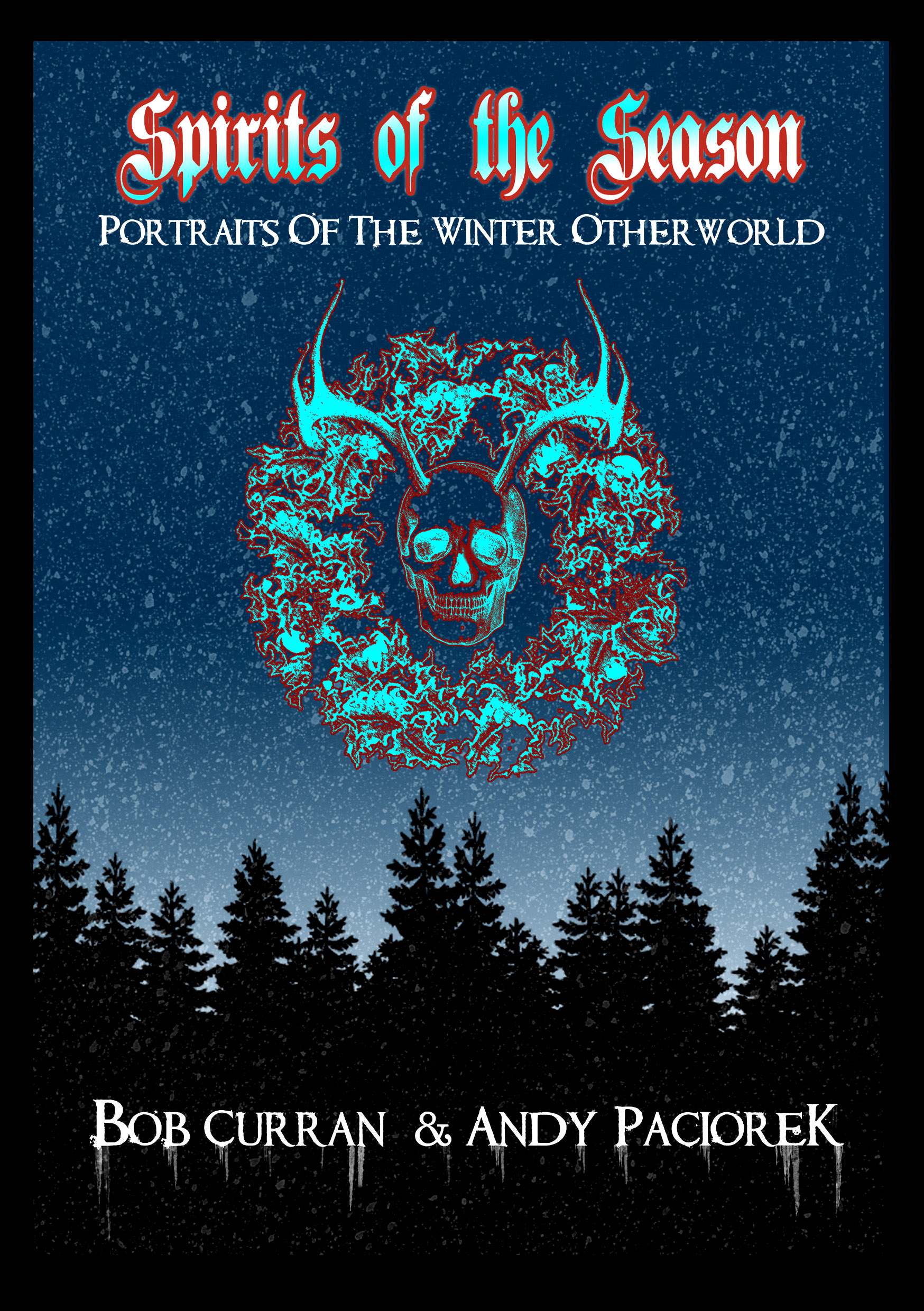
Ho ho horror … As the nights draw in and the turn of the year looms we may seek the comfort of a cosy fireside and a warming drink and think of the approach of Father Christmas … but hark … what is that noise outside, could it be Santa Claus? … or could it be something entirely different … something stranger … more sinister hiding in those cold winter shadows? In this book Dr Bob Curran introduces us to a whole host of beguiling entities from different countries and different cultures that tread the freezing landscapes in the long nights of winter. Richly illustrated throughout by Andy Paciorek, Spirits of the Season is an ideal companion through the dark and magical days.
6×9 in, 15×23 cm Hardcover Image wrap + paperback both available No of Pages: 222. Illustrated
𝔹𝕝𝕒𝕔𝕜 𝔽𝕣𝕚𝕕𝕒𝕪 ~ Sale on at the Folk Horror Revival Red Bubble store between 20% and 60% Discount – just use code DEALS2020 this weekend (28 – 30 November 2020) at checkout at ~ https://www.redbubble.com/people/folkhorrorrev/shop
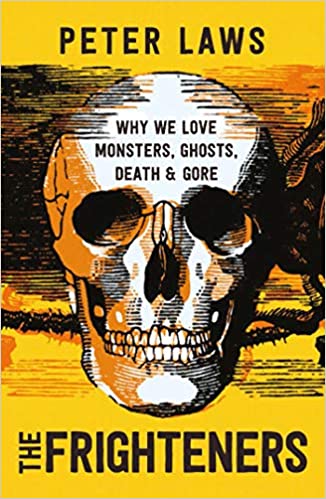
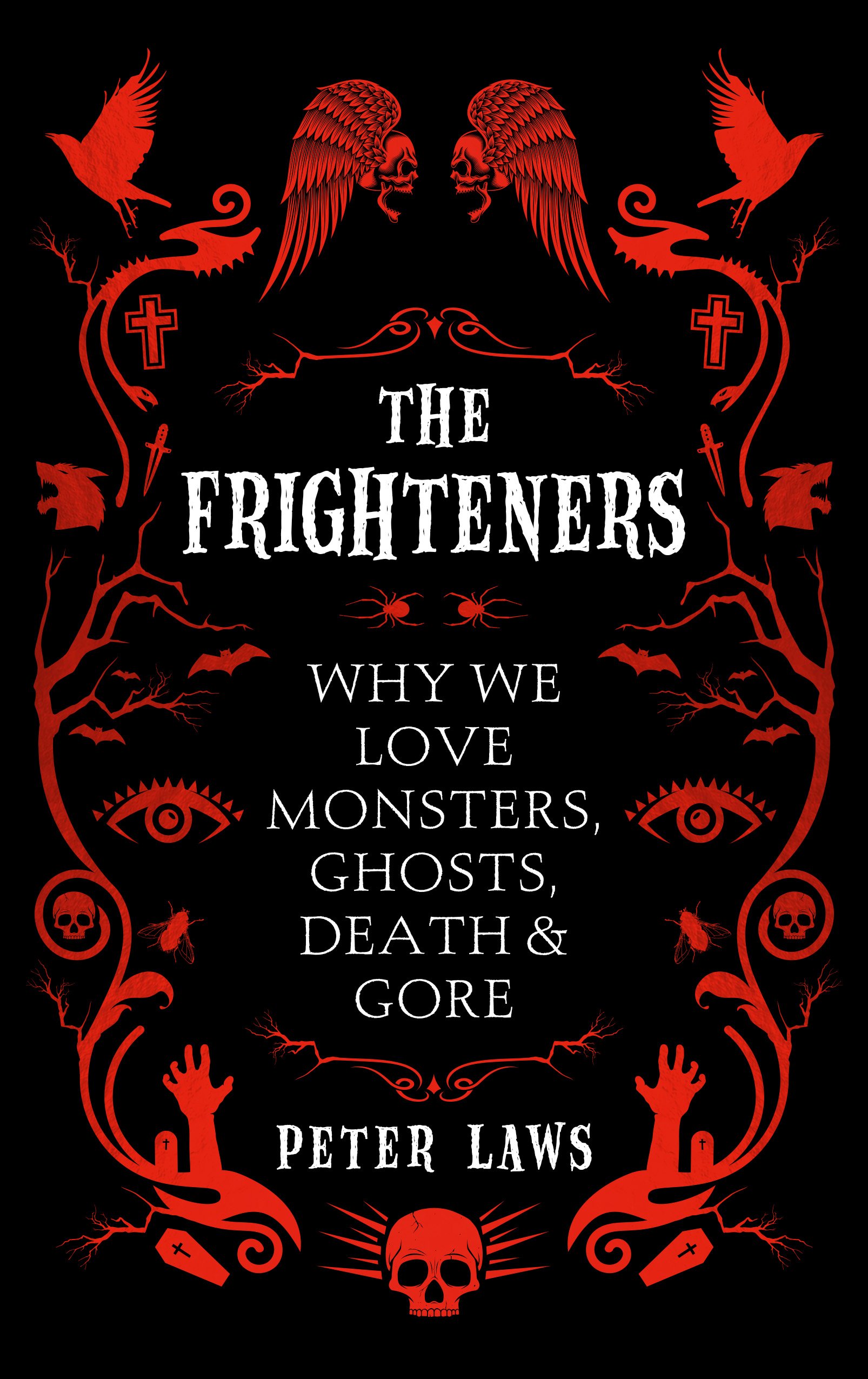
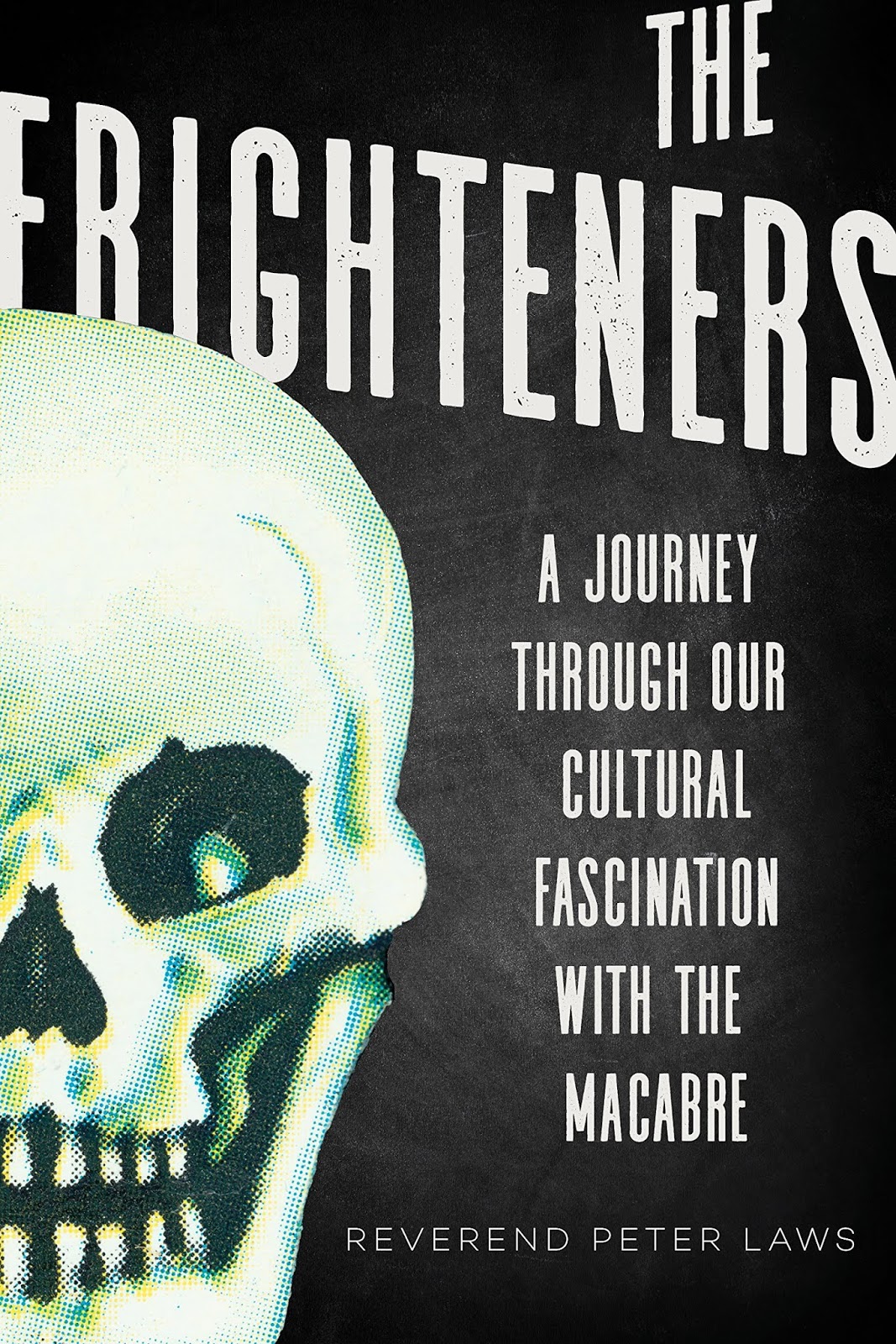
I was only a couple of pages in by the time this book had me hooked. From the offset Peter Laws’ investigation into why people, like himself, are fascinated, drawn to and maybe a little obsessed by horror and other spooky or grisly weird stuff, resonated with me. I too am one of those morbid kids grown up and not grown out of morbidity. Unlike Peter Laws however, I am not a Christian church minister!! Laws’ day job is accompanied by a night shift that sees him writing reviews of horror films for Fortean Times magazine and penning dark fiction. Some may consider Laws’ dual paths as being incongruous but as he points out Christianity is full to the brim with supernatural elements; there are numerous grim and violent stories in the bible and The Exorcist is actually a very Christian film (and indeed was instrumental to Laws finding his vocation as ‘the sinister Minister’. My own childhood attending a Catholic school governed sternly by nuns already had me convinced that horror and Christianity may not always be miles apart by any means!
But what is the fascination of horror? Why does it draw some people in? Why do some people enjoy being frightened? Is it wrong or harmful to like freaky, frightening stuff? These are questions that Laws seeks answers to in some very strange places. Within the pages of this captivating book we join him in scenarios and company as peculiarly diverse as a haunted hotel in Hull, alongside howling dogs in Transylvania, in a shop in York that has amongst its various gee-gaws and oddities a curl of hair clipped from the head of Charles Manson and trapped in the toilet of a decommissioned war bunker whilst a Zombie in a wheelchair batters at the door.
The Frighteners is an intriguing book and whilst it does ask some serious questions and looks at some heavy elements such as Murderabilia (the collecting of serial killer and violent crime associated ephemera) and the matter of violence, death and dying generally, it is also a very funny book. Some of Laws’ wit is gallows humour – it has to be considering the subject matter, but it is never cruel and it gives the book a friendly glow and familiarity. Even in the cold Capuchin crypts beneath Rome among the remains of scores of dead monks, their death presented vividly for all visitors to see, the warmth of Laws’ company is ever present. He is a perfect guide for voyages of the macabre as he does not shirk away from or sugar-coat the grisly, the violent, the tragic and the horrific. He braves the questions that some may want to ask but don’t dare and he doesn’t run from contemplation of the answers. But throughout he maintains a friendly, funny, engaging and affable manner. Humour in grim circumstances can be a good coping mechanism for dealing with things or situations that may disturb us as can confrontation of our fears. An interesting topic that arises is the observance of children that have experienced trauma playing with their toys in a manner that some may find disturbing or drawing gruesome pictures, but that in fact it may be a healthy way for them to deal and process the intense disturbance to their life. And not just kids, the book ponders what is a harmless interest and what is an unhealthy obsession. A fondness for horror can be healthy, the fantasy a safe, harmless escape and channelling of inner troubles and an invigorating thrill. Rather than break societal boundaries it can strengthen them. But there are times when people have questioned whether exposure to Horror fiction such as with the moral panics that have arisen around spooky comics, ‘video nasties’ and violent computer-game could or have indeed resulted in real-life grisly crimes. The answers to such a question are complex, but it is a certainty that very many of us like scary or gory things but thankfully the vast majority of us don’t go onto mass murder or other atrocious crimes and certainly not everybody who does these things are horror fans as such. Rather than nail down solid final answers for why some people are the way they are, this book is a highly enjoyable and very interesting adventure into the dark-side. It is a book that I found myself reading excerpts from to my girlfriend (another aficionado of the frightful) which led to some interesting conversations.
The Frighteners is availableHere and from other book shops and online stores
For more information about Peter Laws creative projects visit ~
FREE to Watch ~ Folk Horror Revival’s creator Andy Paciorek’s lecture – ‘On Witches and Wolves: The Historic and Folkloric Roots of Folk Horror’ As presented by Zoom to the audience at the Denmark 2020 Folk Horror Festival.
Divided into 3 sections – Hauntings, Experiments with Time and Ghosts of Futures Past; within this new work Merlin Coverley, embarks on a mission to seek out the roots and growth of the cultural phenomenon that is known as Hauntology. It is a walk that takes the author and reader down many diverse paths, foremost among them being Memory Lane.
Though it does explore the concept of hauntings and references numerous supernatural films and TV shows, this is not a book about ghosts in the traditional sense but a study of the concept of the cultural mode known as Hauntology. The word Hauntology was conceived in 1993 by the French political philosopher Jacques Derrida in his book Spectres of Marx as a portmanteau of Haunt and Ontology and relates to his concept that Marxism continues to “haunt western society from beyond the grave”. However, Hauntology has expanded far beyond its original meaning to encompass a certain aesthetic in music, media and art and beyond that a feeling. Hauntology is a nebulous creature, difficult to define but always recognised when encountered, at least on an emotional level. The wider concept of Hauntology as an art and thoughtform owes a lot to the writings of cultural historian Mark Fisher and here Coverley joins the dots between the Derradaian and Fisherian views.
Coverley notes the cultural importance of the 1970s as a fixed point in hauntological time. Notably lying within the formative years of Generation X (or what Bob Fischer has accurately described as The Haunted Generation, which is evident in the work of Scarfolk and Scarred For Life for example) the 1970s were abundant with weird TV, strange discordant library music and were politically hard times (a ghost of which resurfaced, I think in flashbacks of Thatcher and Foot, when May and Corbyn were the UK Prime Minister and opposition leader). But Coverley turns the clock back to the 1840s when Marx released the Communist Manifesto and Charles Dickens penned ghost stories. Centring on Dicken’s A Christmas Carol, Coverley makes interesting comment on the ghosts and their repetition of the past not only within the story but within the cultural repeating of the tale by readers and viewers each Christmas. (This set me thinking of how Raymond Briggs’ The Snowman animation has now perhaps become a Christmas ghost – each year destined to be reborn and melted – an analogue ghost now haunting a digital house). The nature of haunting as a recurring point in time or a moment trapped in its environment lends itself to one of the Fortean themes to arise in the book, the theories of Charles Babbage, Eleanor Sidgwick, Edmund Gurney and most prominently in these pages of T.C. Lethbridge and the televisual drama The Stone Tape written by the recurringly hauntological explorer Nigel Kneale and first broadcast on Christmas Day 1972.
Other Fortean points of interest touched upon within the book’s meanderings include Pepper’s Ghost, J.W. Dunne’s philosophy of time, spiritualism and Alfred Watkins and John Michell’s ley-line explorations. Numerous other authors are encountered as we wind our way through the pages including W.G. Sebald, M.R. James, Arthur Machen, Susan Cooper, Alan Garner and J.G. Ballard. As with Nigel Kneale, Coverley is most interested in their use of time – how seeming anomalies of time and events can cause a person or place to be haunted.
Memory and nostalgia are key to Hauntology, but as we delve deeper it is clear that the nostalgia of hauntology is not a simple fond reverie of bygone times but in using the 1970s as a strong reference point is something akin to mild trauma, yet with a strange streak of thrill. The ghost stories of Christmas, weird TV plays, folk horror films and public information film continue to haun us. But a pertinent point is that these aspects of attention are not simply daydreams of times past but a re- living of a history that has never left us. A past that has just been buried like the fiends of horror films waiting for a sequel. It is the memories of Tomorrow’s World predicting the future that is now our present – a world not of personal jet packs and happiness machines but a present where the grim ghosts of 1970s austerity, division and unrest not only did not go away, did not stay in the past , but are risen and with us again, haunting our past, present and future. This is of course reflected in artistic expression, Hauntology as a concept may have appeared in the 1990s but it is strangely a notable aspect of our current zeitgeist. We can see its past roots in a lot of contemporary writing, film and music that dwells on the outer edge of the mainstream, but it is not simply retro, it has its originality but is haunted by the past. A catharsis of demons still needing exorcised perhaps.
Coverley’s book is thought-provoking and although rather academic is engaging, but it is theoretically focussed and therefore is perhaps not the best starting point for anyone fresh to hauntology but for anyone already immersed and seeking to dig deeper into the subject it is a great addition to the haunted bookshelf.
Hauntology by Merlin Coverley Available now from Oldcastle and other book shops/ online stores
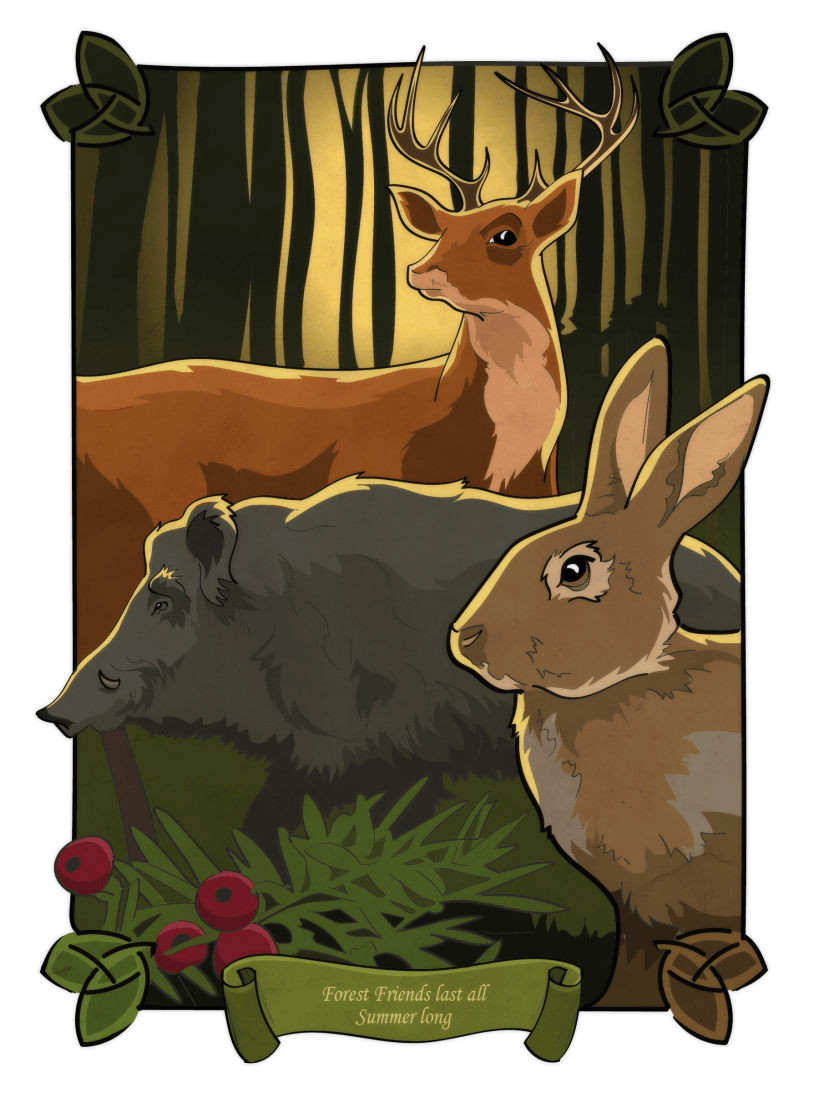
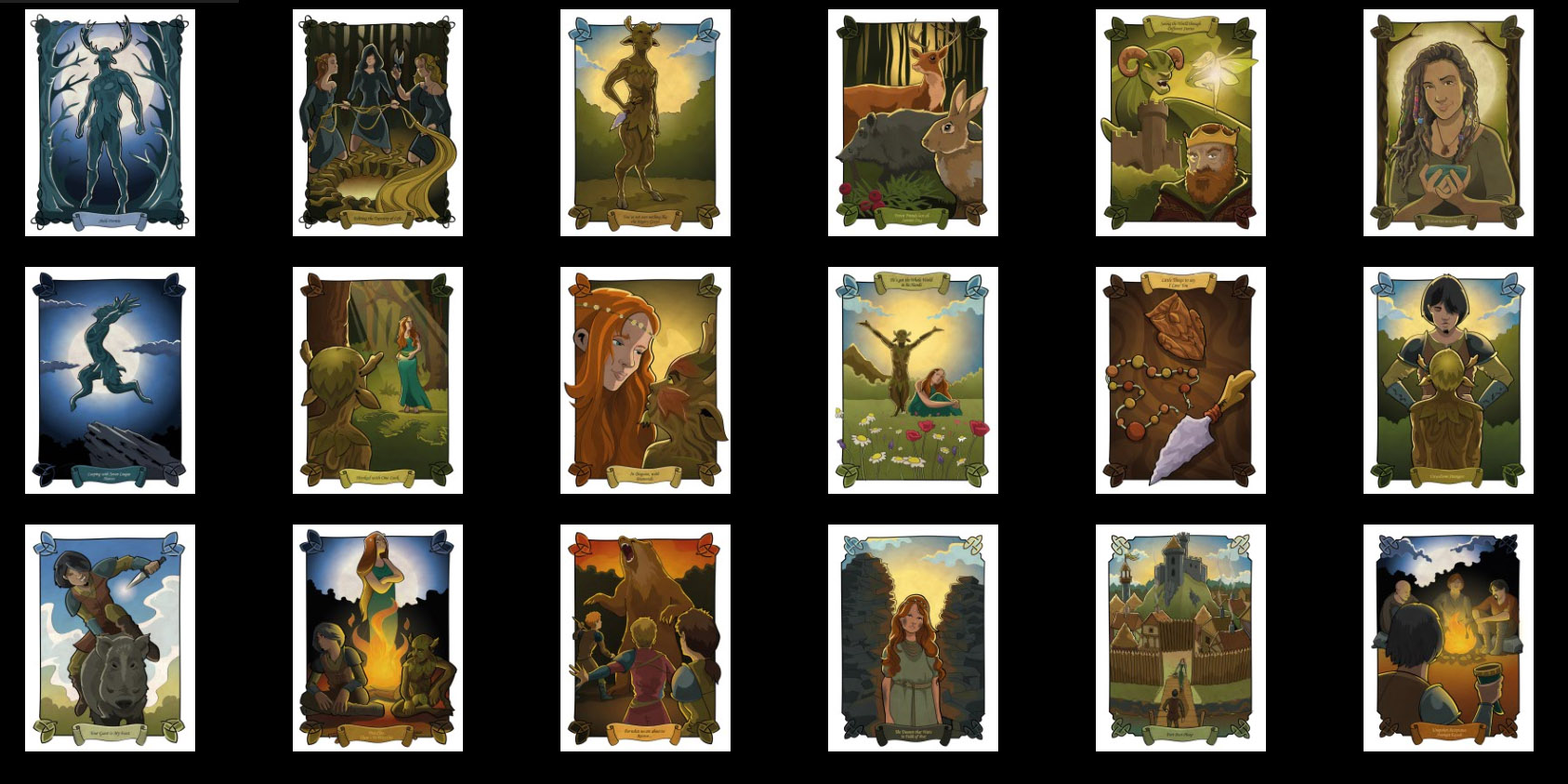
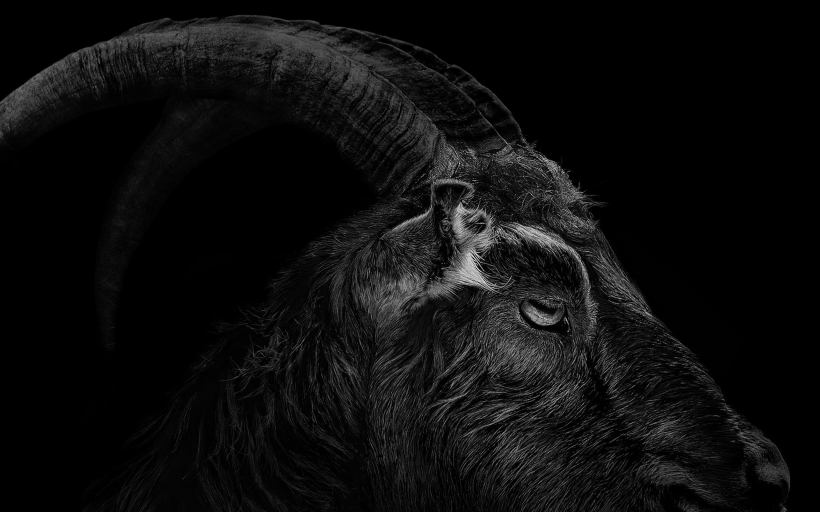
The book The Horned God: Life, Death & Rebirth ~ A Telling ~ written by Bard Cerannon and illustrated by Scott Tyrrell, John Ridgway, Shaun Durham & Tony Jennison will be published soon by Wyrd Harvest Press.
It includes blank colouring pages by Scott Tyrrell, which are shown here coloured for example but of course feel free to choose your own colours.
Purchasers of the book can download all 27 of the coloured Scott Tyrrell images Email chosen-angel@live.com for details.
As we move further into the dark as long nights draw in ever closer, we bring to you some movie suggestions that go against the grain somewhat of mainstream horror. Films that burn slow and burn both beautifully and grotesquely like candles made from human tallow. Films that haunt the mind …
In no particular order …
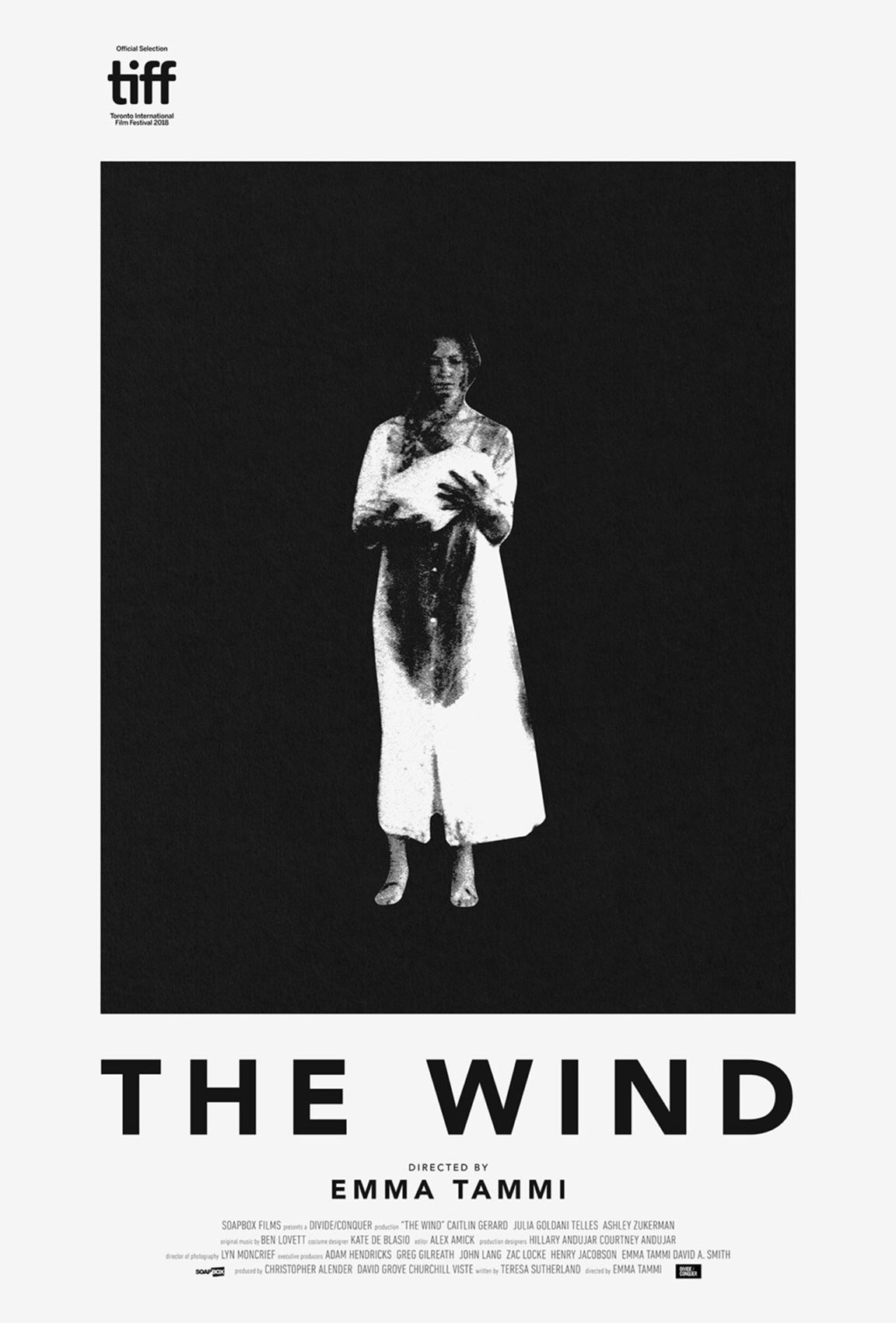
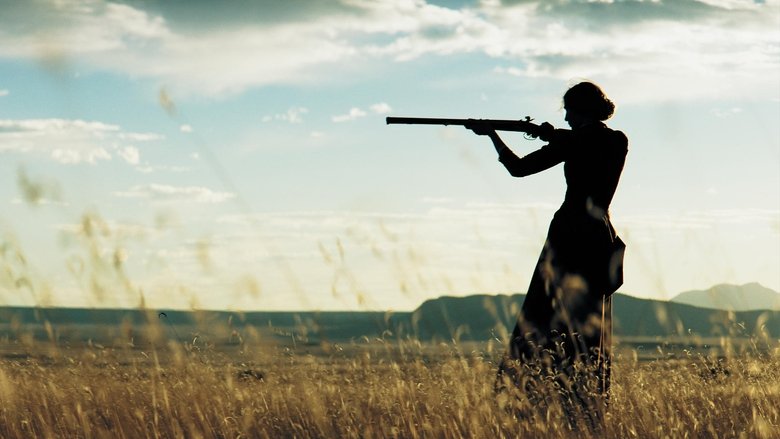
The Wind (2018) –
Directed by Emma Tammi. Written by Tessa Sutherland. Cinematography by Lyn Moncrief
In New Mexico in the late 19th Century, two couples strive to make a life for themselves on the wild frontier. As the story unfolds in a non-linear motion, we see their relationships and lives fall apart as something else stalks the threshold.
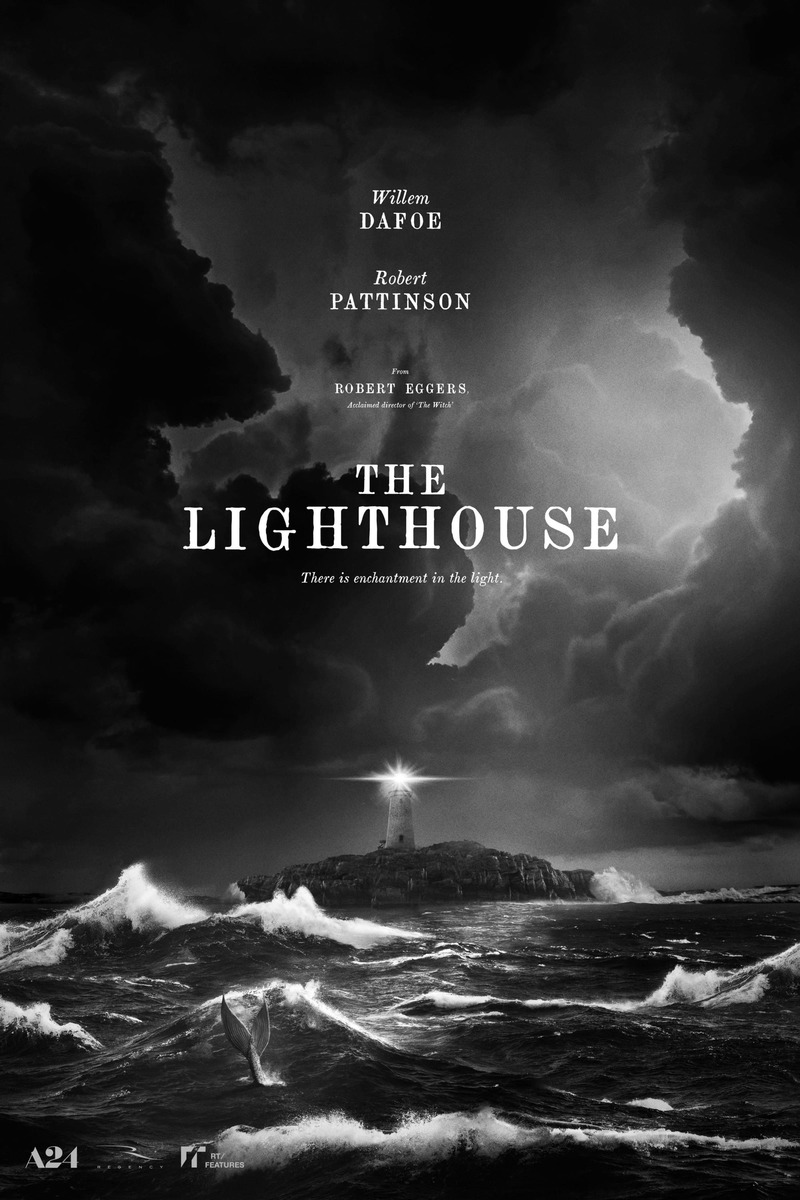
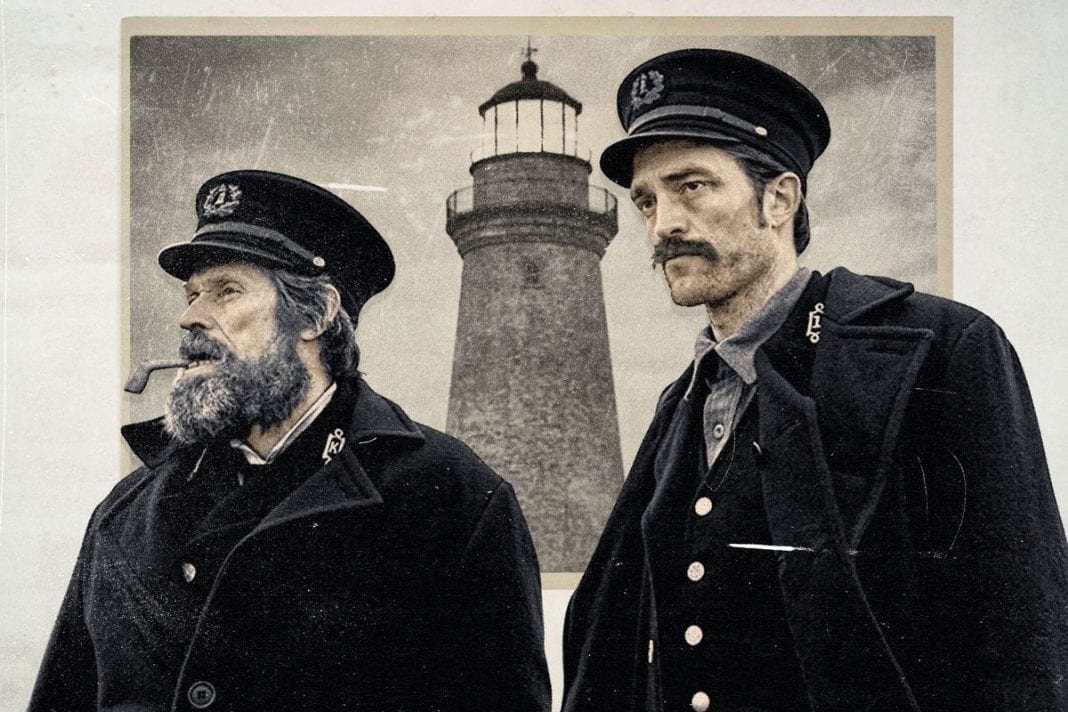
The Lighthouse (2019) Directed by Robert Eggers. Written by Robert & Max Eggers. Cinematography by Jarin Blaschke.
The simple tale of a Lighthouse keeper and his new assistant that get marooned on the rock in a raging storm. But even this wild weather is not as tempestuous as their relationship which descends into madness and a Promethean struggle over control of the light. Sirens and seagulls make their presence felt too on that ocean blasted crag. The dialogue in this film is coarsely mellifluous especially as it drips off the tongue in a sterling performance by Willem Dafoe. Robert Pattinson also firmly shakes off his twilight sparkle in the shit and kerosene of this brilliantly bat-shit crazy film.
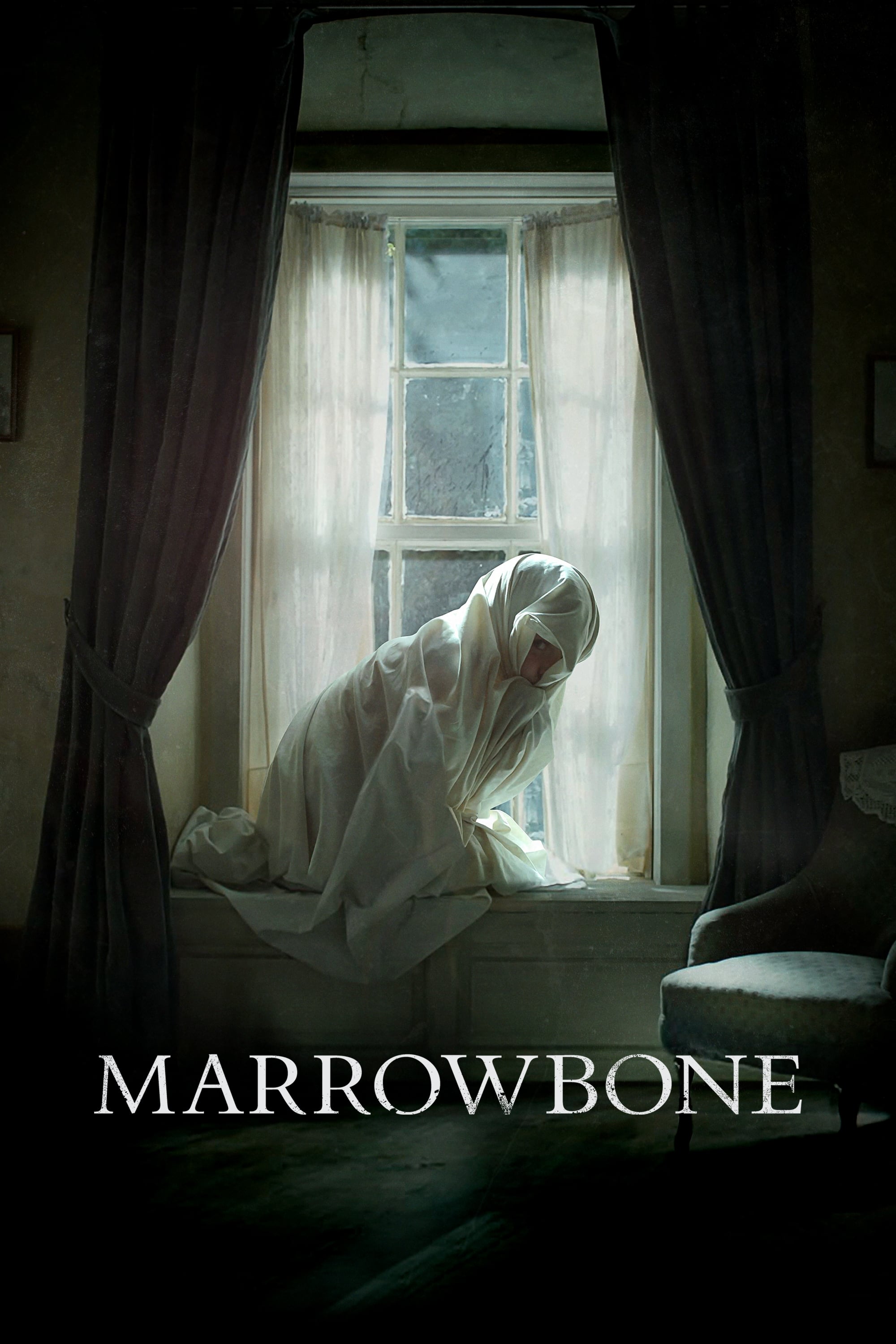
Marrowbone (2017) Written & Directed by Sergio G. Sánchez. Cinematography by Xavi Giménez.
Set in rural Maine, but actually filmed in Spain, this film does have the feel of Spanish classics such as The Devil’s Backbone and Spirit of the Beehive – the sense of childhood sentimentality with a bitter under-taste of something strange, perhaps sinister. A single mother and her 4 children move from England to start a new life in what seems to be a haunted house but as her health worsens the family find out that their past is more haunting still.
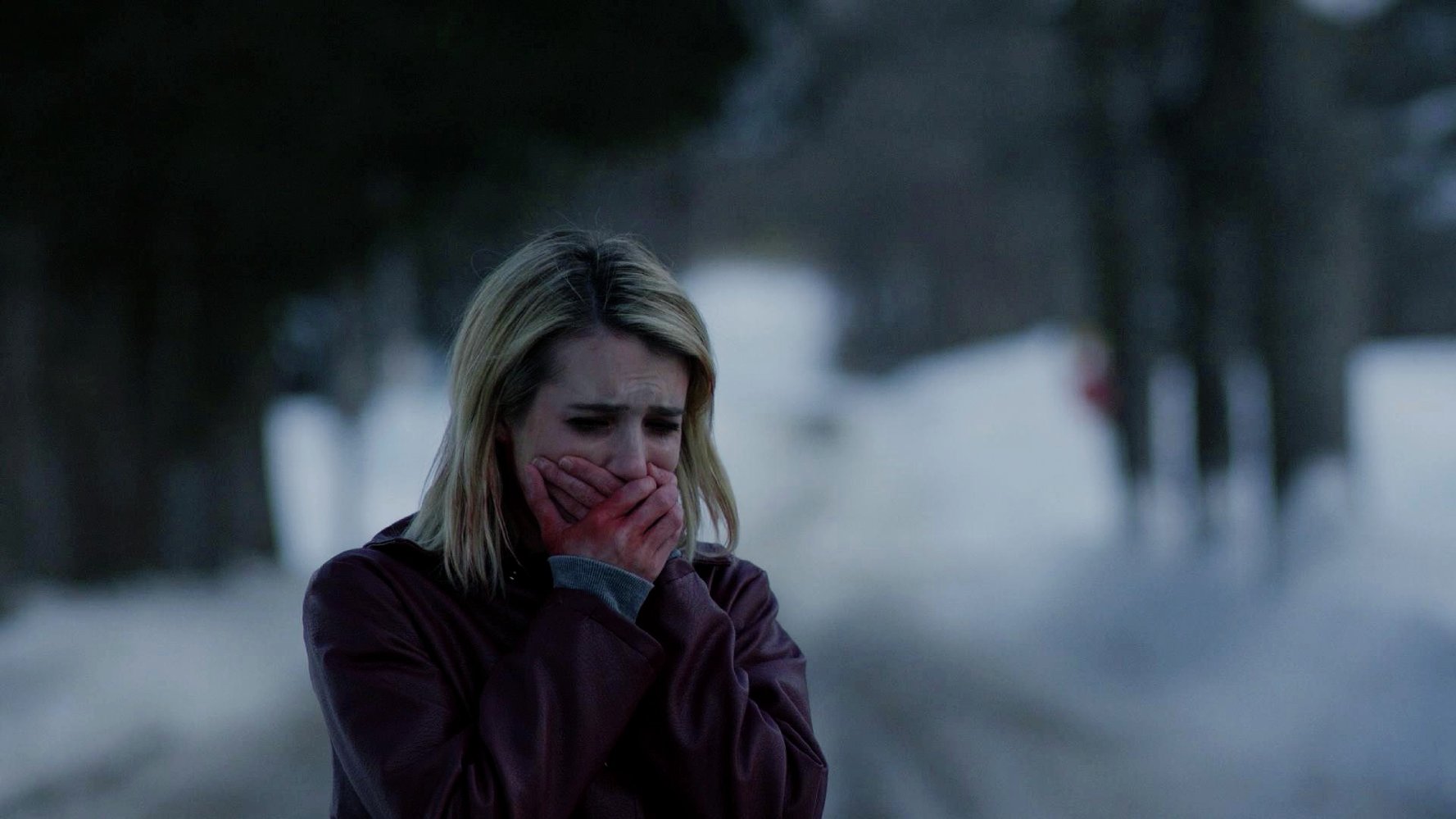
The Blackcoat’s Daughter (2015) Written & Directed by Osgood Perkins. Cinematography by Julie Kirkwood.
This segmented film focuses around three young girls whose lives are fatefully entwined. As the boarding school they attend in upstate New York breaks up for a February vacation, Rose and Kat are left behind with only the company of two nuns. Rose has chosen not to return home as she fears she may be pregnant whilst the younger girl Kat’s parents fail to arrive to pick her up. It is apparent that Kat is a troubled girl, who feels lonely and isolated even when there are more girls around, but as her stay in the school progresses, her behaviour becomes stranger still. Joan, the third girl in the story, is a creature of mystery. We first encounter her as she escapes from a psychiatric hospital and is offered a lift by a man and his wife as she sits in a bus station. The darkness and heaviness of the winter permeates throughout this film invoking a strange sense of tension.
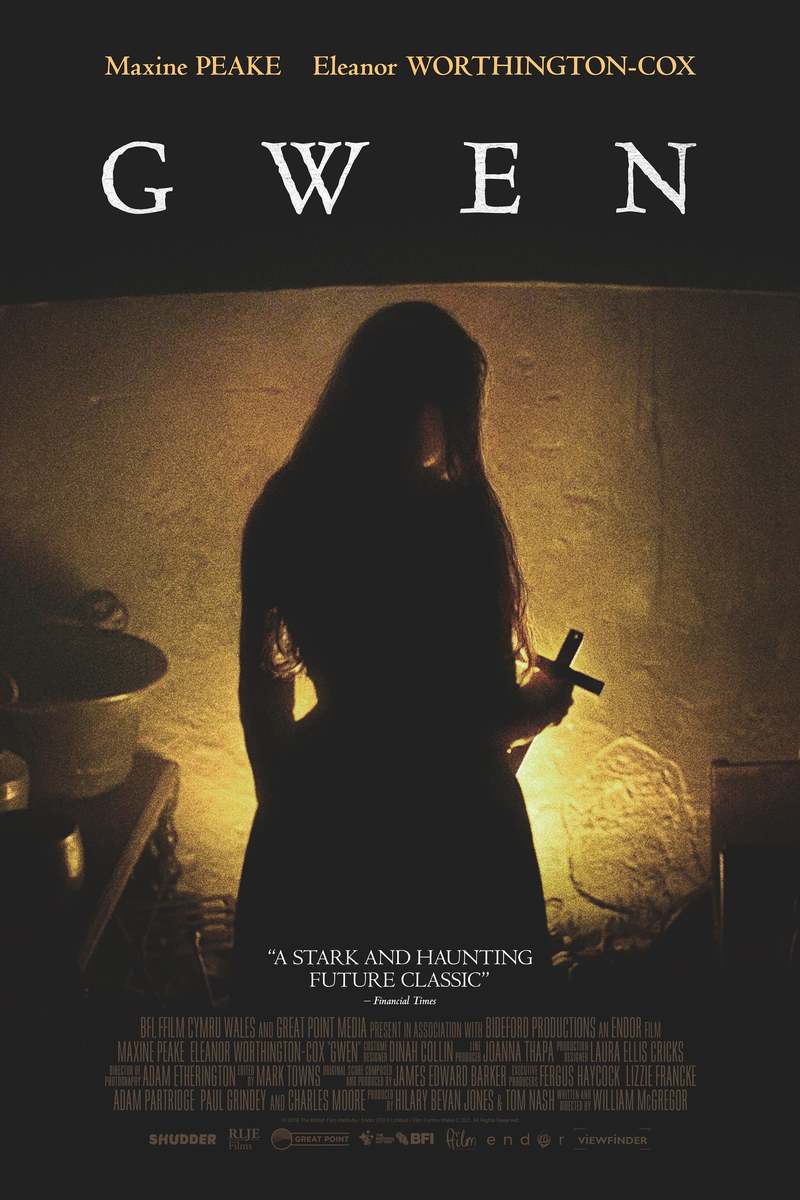
Gwen (2018) Written & Directed by William McGregor Cinematography by Adam Etherington.
During the Industrial Revolution a woman struggles to raise her two daughters and run a farm in the hills of North Wales, whilst her husband is away at war. Their lives turn harder still as they lose their sheep to apparently a blood-thirsty predator and as the local people grow increasingly hostile and shadowy figures in the mist watch the farm. Maxine Peake excels in her role as the hard-bitten mother.
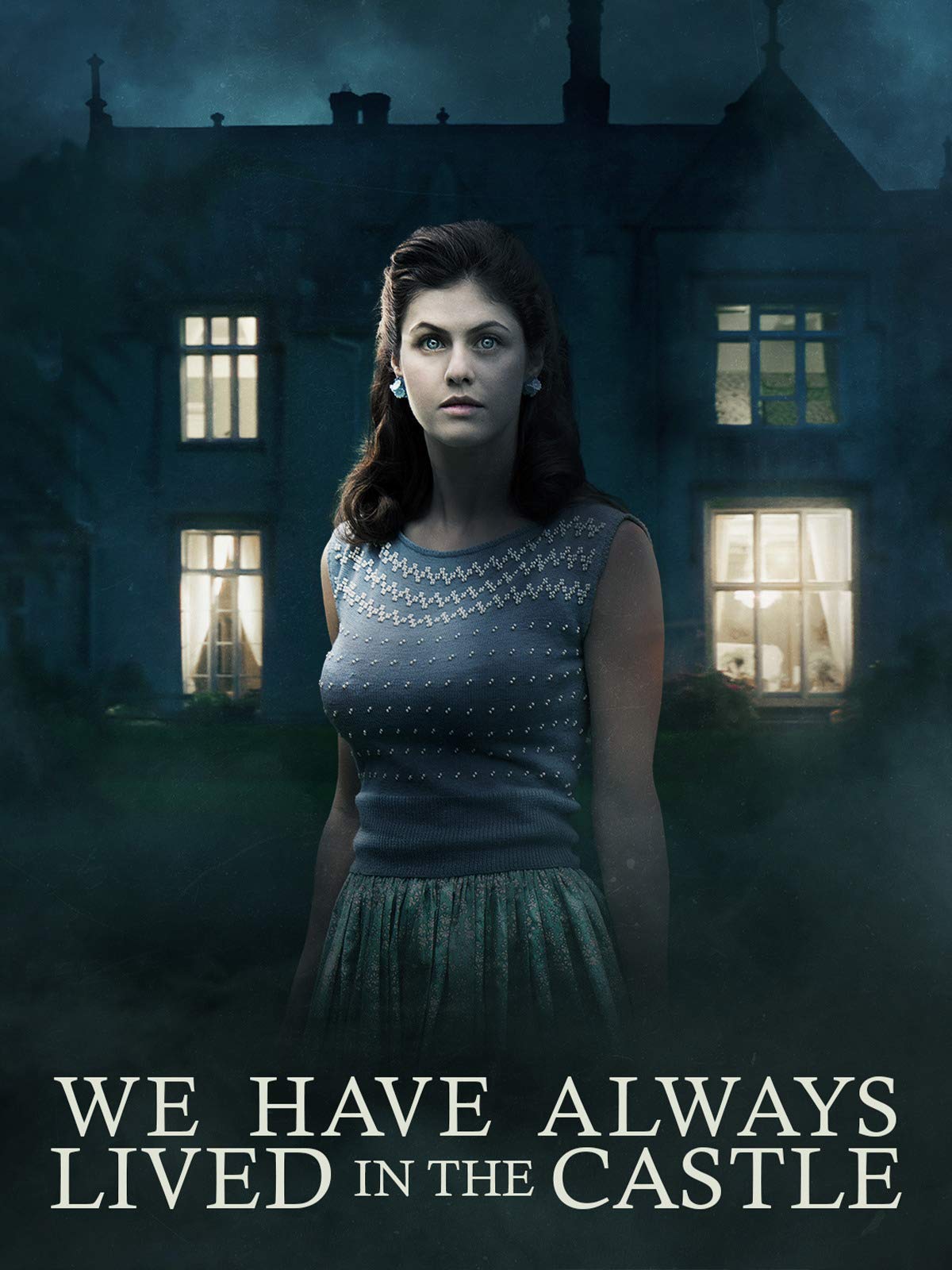
We Have Always Lived in the Castle (2018) Directed by Stacie Passon. Written by Shirley Jackson. Adapted by Mark Kruger. Cinematography by Piers McGrail.
Adapted from the excellently odd novel by Shirley Jackson, the film adaptation does change some elements but does maintain both the quirkiness of the book and the sense of isolation and ill-treatment that may befall people who are deemed to be outcasts or weird by communities. The Blackwood family are eccentric and insular but the town also fears them due to the matriarch and patriarch of the family having being killed by poisoning, with a finger of blame pointing to the eldest daughter Constance. Her, her younger sister and their confused Uncle Julian (Crispin Glover being cast perfectly in that role) have little contact with the outside world, but one day cousin Charles comes to visit and everything begins to change.
The Other Lamb (2019) Directed by Małgorzata Szumowska. Written by C.S. MCMullen. Cinematography by Michał Englert.
We are introduced to a female commune existing in what seems to be serenity, but then discover that all of the women and girls are the wives and daughters of a cult leader called Shepherd. Among their number a girl Selah comes of age, which the cult regard to be the curse of Eve and a symbol of impurity. Shepherd however begins taking a greater interest in Selah but she is troubled by strange visions. Being forced off the land by the local police, the group seek their ‘new Eden’ across the wilderness. The use of colour in this film is aesthetically and symbolically stunning, yet it serves also to unsettle us as we feel the undercurrent slowly rising beneath what initially seems to be a peaceful, bucolic idyll.
Possum (2018) Written and Directed by Matthew Holness. Cinematography by Kit Fraser
Possum is a little different from the other films on this list as Possum is a little different from most things. It has a dank damp dark aesthetic with its scrubby nature, edge-land settings and rundown town house interiors. Following some manner of disgrace, a puppeteer named Phillip is forced to return to his childhood home and the company of his unpleasant uncle (played creepily well by Alun Armstrong). When a child goes missing, Phillip finds himself a suspect but his mind is also troubled by a grotesque puppet that he cannot get rid of, but that is not all that haunts him. Adding to the grey cloud of possum is a delightfully dark hauntological score by the BBC Radiophonic Workshop.
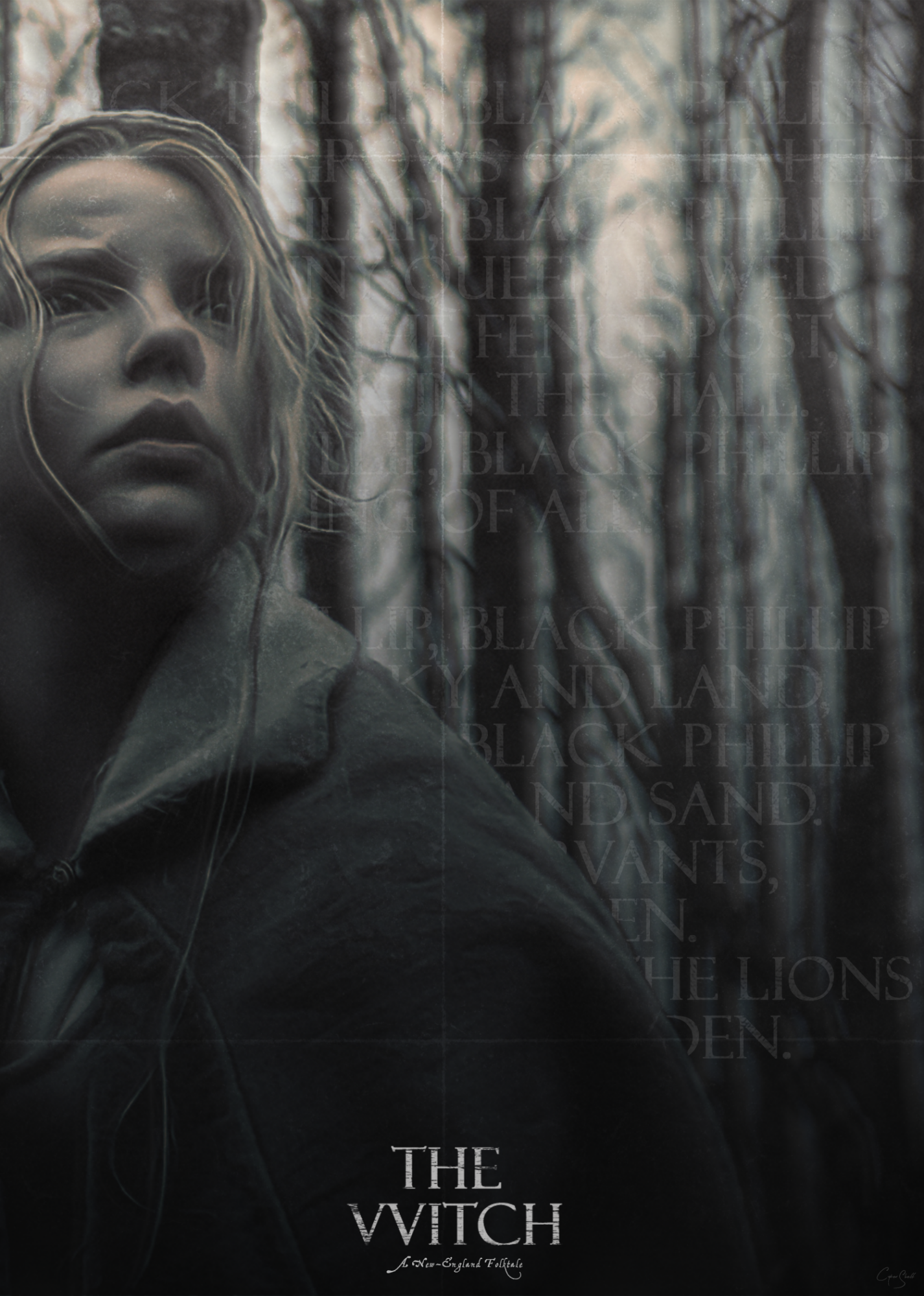
The Witch: A New England Folktale (2015) Written & Directed by Robert Eggers. Cinematography by Jarin Blaschke.
Quite possibly the most familiar title on this list to folk horror revivalists, but even if seen before, always worth a re-watch; though there are those who are not beguiled by its wild charms, I must say it worked its magic on me. A family in New England struggle to survive far away from their Yorkshire home and banished by their brethren community for the father’s religious pride. Their misfortune begins when their youngest born, the baby Samuel is spirited away right from under the elder daughter Thomasin’s nose. On top of tragedy more misfortune falls – their crops are blighted, the nanny goat yields bloodied milk and the eldest son Caleb disappears only to return in a wretched, bewitched condition. Their suspicions turn to witchcraft but could the maleficence spring from a source closer to home?
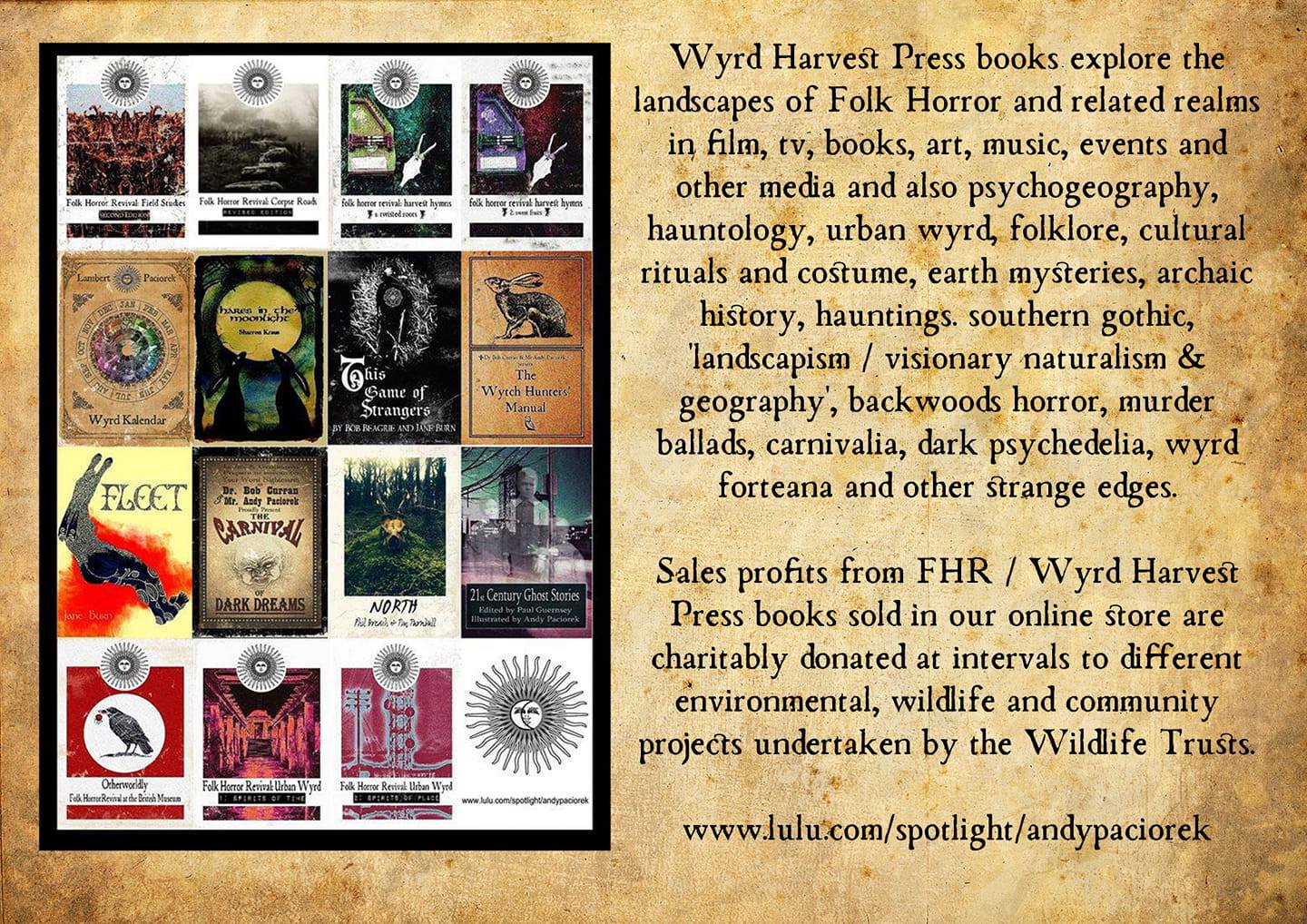
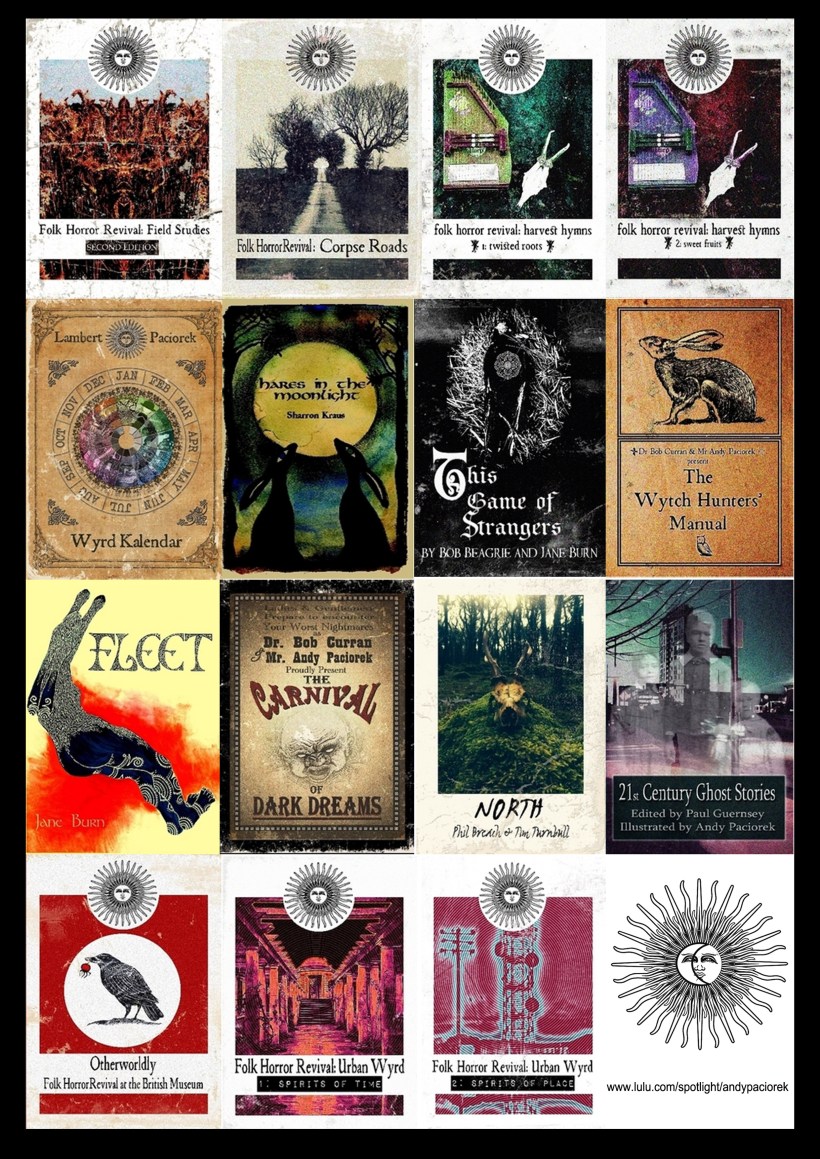
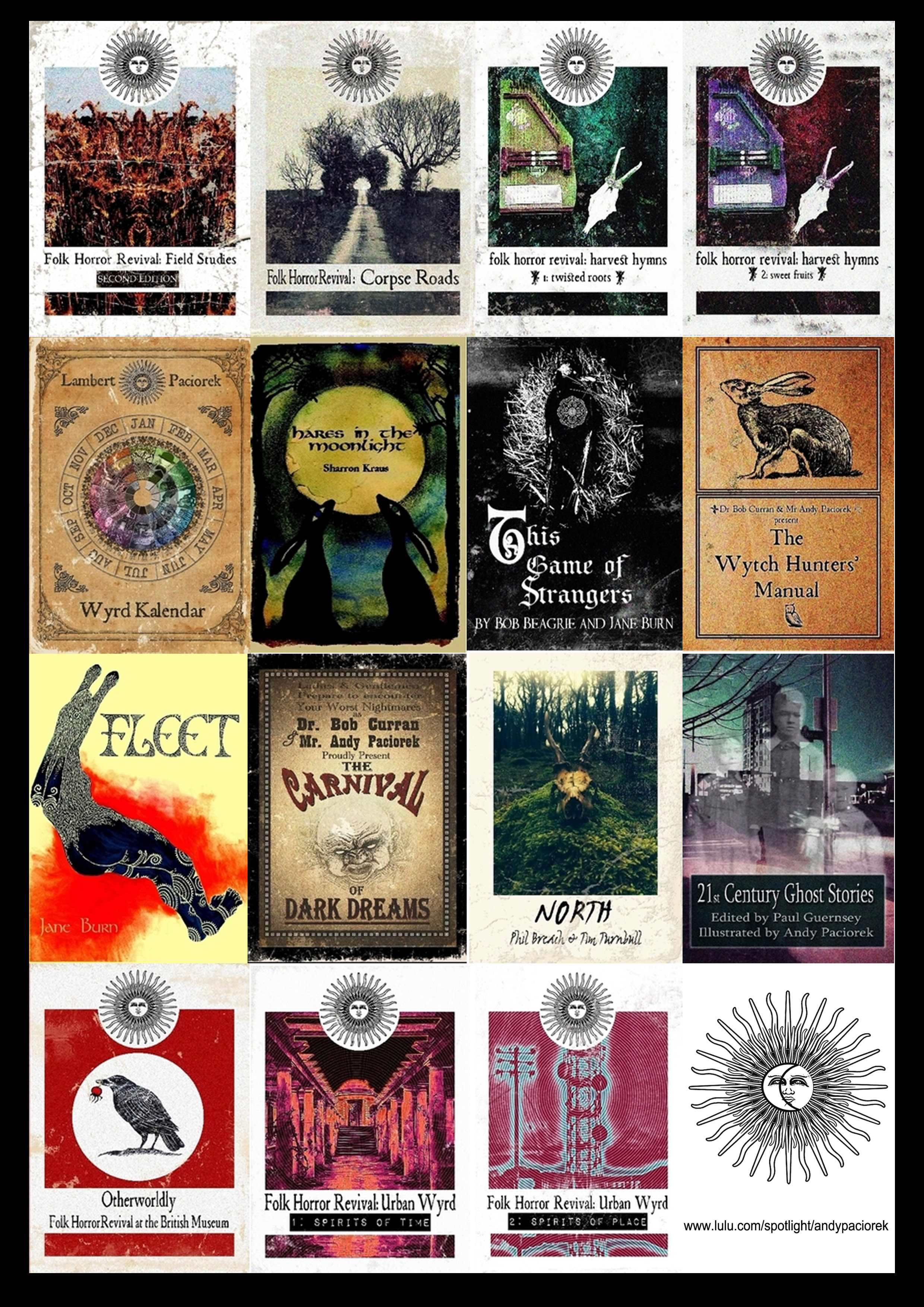
Wyrd Harvest Press books explore the landscapes of Folk Horror and related realms in film, tv, books, art, music, events and other media and also psychogeography, hauntology, urban wyrd, folklore, cultural rituals and costume, earth mysteries, archaic history, hauntings. southern gothic, ‘landscapism / visionary naturalism & geography’, backwoods horror, murder ballads, carnivalia, dark psychedelia, wyrd forteana and other strange edges. Sales profits from FHR / Wyrd Harvest Press books sold in this store will be charitably donated at intervals to different environmental, wildlife and community projects undertaken by the Wildlife Trusts.
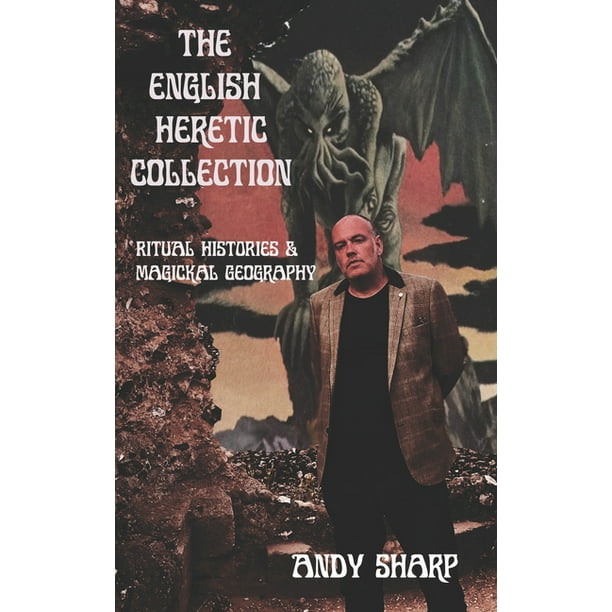
It was through the music and spoken word of Andy Sharp’s English Heretic project that the writer John Alec Baker came to my attention. In his books The Peregrine (1967) and ‘The Hill of Dreams’ (1969) Baker treats us to nature writing that goes beyond the mere observation of the natural wild and into the realm of feeling and art in his lyrical visionary-bucolic prose. It was with great intrigue and little surprise in venturing into the pages of Sharp’s own book ‘The English Heretic Collection’ (Repeater Books. 2020) to find that his writing too is cloaked in many colours. Described as “a visionary field report based on fifteen years of deep-vein travel to England’s strangest landscapes – with a host of tragic players” the Collection is as much about people as it is about place. Like J.A. Baker, Sharp does not content himself with mere surface but digs deep into his own psyche and cerebral-emotive reaction to place and observation; but with his wider scope of subject matter, he digs further still – into the underbelly of people and deep down into the underworld of place and mind. For this is what this book is – a katabasis – a descent into the Underworld – whether it be the Asphodel Fields that classical Thanatologists pondered upon, or Вирій that lies beneath the tainted earth of the atomgrad of Pripyat or the very soil beneath our feet.
In his journeys both physical and psychical Sharp encounters numerous wraiths and shades – as diverse as Kenneth Grant, Fulcanelli, Robert Graves, Winston Churchill, CG Jung and HP Lovecraft yet there is one psychopomp whom even when not fully present can be felt persistently gazing over the voyage from the saturnine shadows. That watcher is the author and explorer of dystopia and experimentation- James Graham Ballard. And if JG Ballard is the spirit guide then his 1970 book ‘The Atrocity Exhibition’ and its 1973 deeper investigation into a theme therein, ‘Crash’ are the travel guides. Yet whereas the many A to Z roadmap children of Breydenbach & Reuwich’s ‘Peregrinatio in Terram Sanctam’ prepare us for the journey, ‘Crash’ is an atlas of the aftermath.
The literary terrain covered in ‘The English Heritage Collection’ lies between Graves’ ‘White Goddess’ and Ballard’s ‘Atrocity Exhibition’ – the physical land explored takes us from Boleskine House on the banks of Loch Ness (the accursed abode of figures such as the occultist Aleister Crowley, rock guitarist Jimmy Page and the sausage scammer Dennis Lorrain) to Orford Ness, the military atomic experimentation base in the shingled spit of the Suffolk coast. From Rendelsham Forest where the legend of UFO encounter or possibly psychological warfare testing persists within its roots and branches to the shrunken heads and other archaeological and anthropological hordes of the Pitts River Museum in Oxford. The train of thought takes us further from English shores also calling at stations such as Hiroshima, Chernobyl and the war-scarred jungles of Vietnam. Stops are also made at celluloid stations taking in films such as the folk horror classics 1968’s ‘Witchfinder General‘ and 1971’s The Blood on Satan’s Claw’ – the latter drawing an interesting parallel with the strange and tragic Mary Bell murders of 1968. ‘The English Heretic Collection’ is as much of a mind trip as it is a gazetteer of the obscure and through the magical endeavours of Sharp has hints of a grimoire also. Covering as much ground as it does in its stream of consciousness the book is like a Ronnie Corbett monologue on acid – that is not a complaint. Sharp’s word-play is entertaining, part magical – part mischief. I enjoy his puns – the name English Heretic itself with its mission of dedicating black plaques to places obscure and people intriguing and other witty examples such as ‘Wish You were Heretic’ and ‘The Underworld Service’. And that is what the book is like – an Underworld Service transporting us the readers to strange destinations. Its meanderings wind and weave and remind me of intoxicated conversations with like-minded friends in pubs at the times before the pandemic and hopefully again after. And that’s another good thing. Sharp is very well-read and very well-educated holding an MSc in Neuroscience, so at times the book may dip into academic territory, but the diversity and spellbinding nature of the subject matter and Sharp’s wit and poetic word-craft ensure that ‘The English Heritage Collection’ is an entertaining rather than dry read. It is also very worthwhile checking out English Heretic’s musical output to add a further dimension to Sharp’s vision.
‘The English Heritage Collection’ is released on October 13th 2020 from Repeater books – repeaterbooks.com/


















 Folk Horror Revival & Urban Wyrd Project ⨘